Today’s septuagenarians are different from the ones who came before. “Many transitions that are happening now at 70 are the types of transitions people in previous generations might have experienced in their early 60s,” says Jeffrey Stokes, an associate professor at the University of Massachusetts Boston who studies ageing.
People in this group are becoming grandparents and retiring later, Stokes explains. They can also expect to live longer.
“Seventy is a great time for somebody to try something new,” Stokes says. “There can be a lot of unseen benefits.”
What are normal signs of ageing in your 70s?
“You can see 70-year-olds who look like they are 50 and 70-year-olds who look like they’re 90,” says Dr Mark Lachs, chief of geriatrics and palliative medicine at Weill Cornell Medicine. “It’s very individualized.”
Genetics, lifestyle choices and the conditions in which a person lives can affect how they age. It’s also possible for your chronological age – how many years you’ve been alive – to differ from your biological age – how old your body appears – based on biomarkers and how well your body is functioning. Even your organs can age at different rates.
How does the body change in your 70s?
While there is no “normal” way to age, certain health challenges can be more common during your 70s. By age 75, people typically receive, on average, between two to three medical diagnoses, explains Lachs; these might include arthritis, hypertension and hearing loss.
Lachs says that people in their 70s can remain independent and generally healthy, depending on factors such as economic background, genetics, psychosocial environment and motivation to commit to good habits.
The likelihood of hearing loss increases with age, says Lachs, though to what extent depends on the individual. About one in three people between 65 and 74 and nearly half of people older than 75 have hearing loss.
However, compared with other decades, the 70s can be a pretty stable time for health, says Dr Deborah Kado, a professor of medicine and co-director of the Stanford Longevity Center. This is especially true for women, the majority of whom already experienced swings of change when they went through menopause.
There will always be unforeseeable health hurdles, but these can happen at any age; what’s key, she says, is committing to healthy behaviors before you turn 70 and sticking with them after.
What are the keys to longevity?
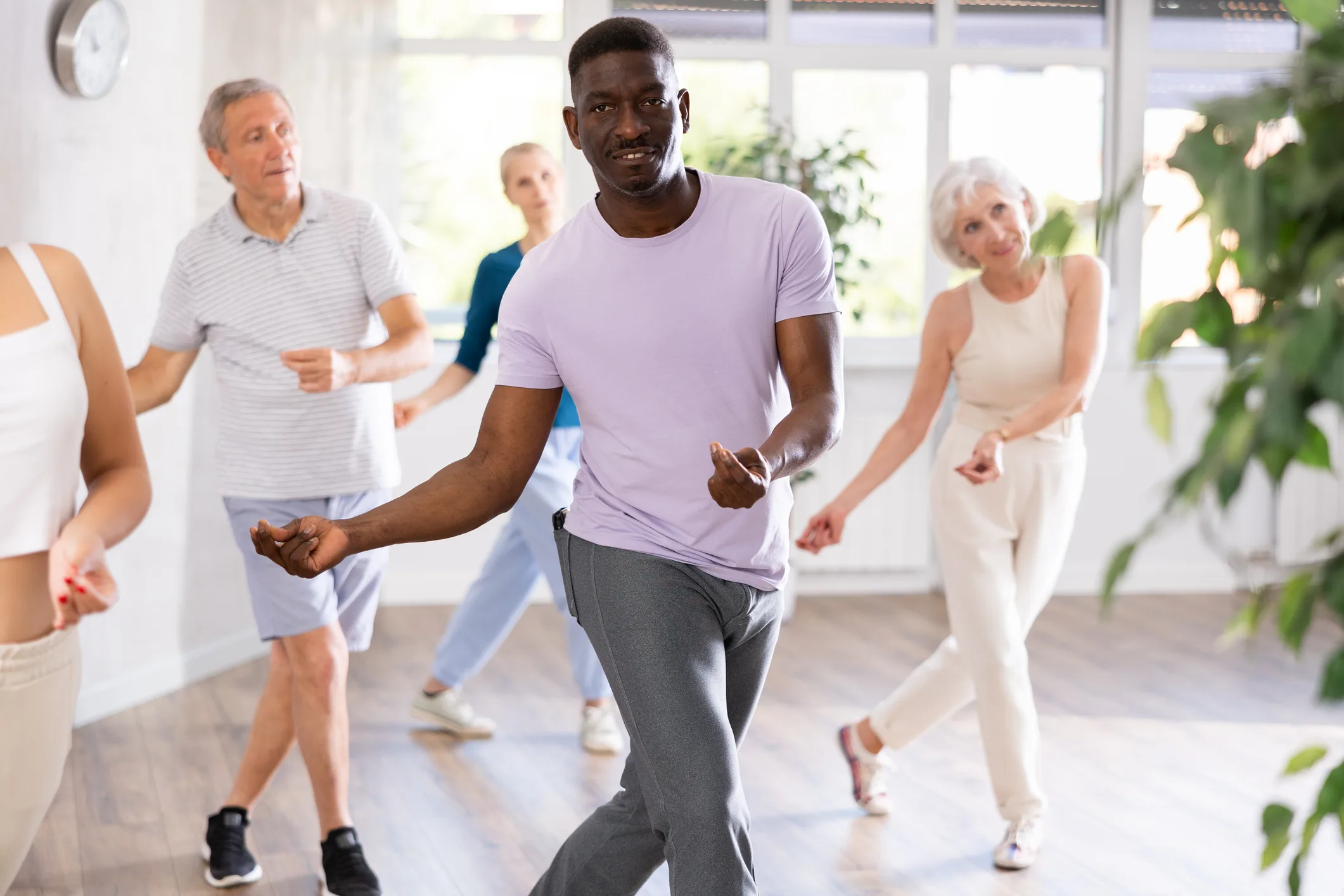
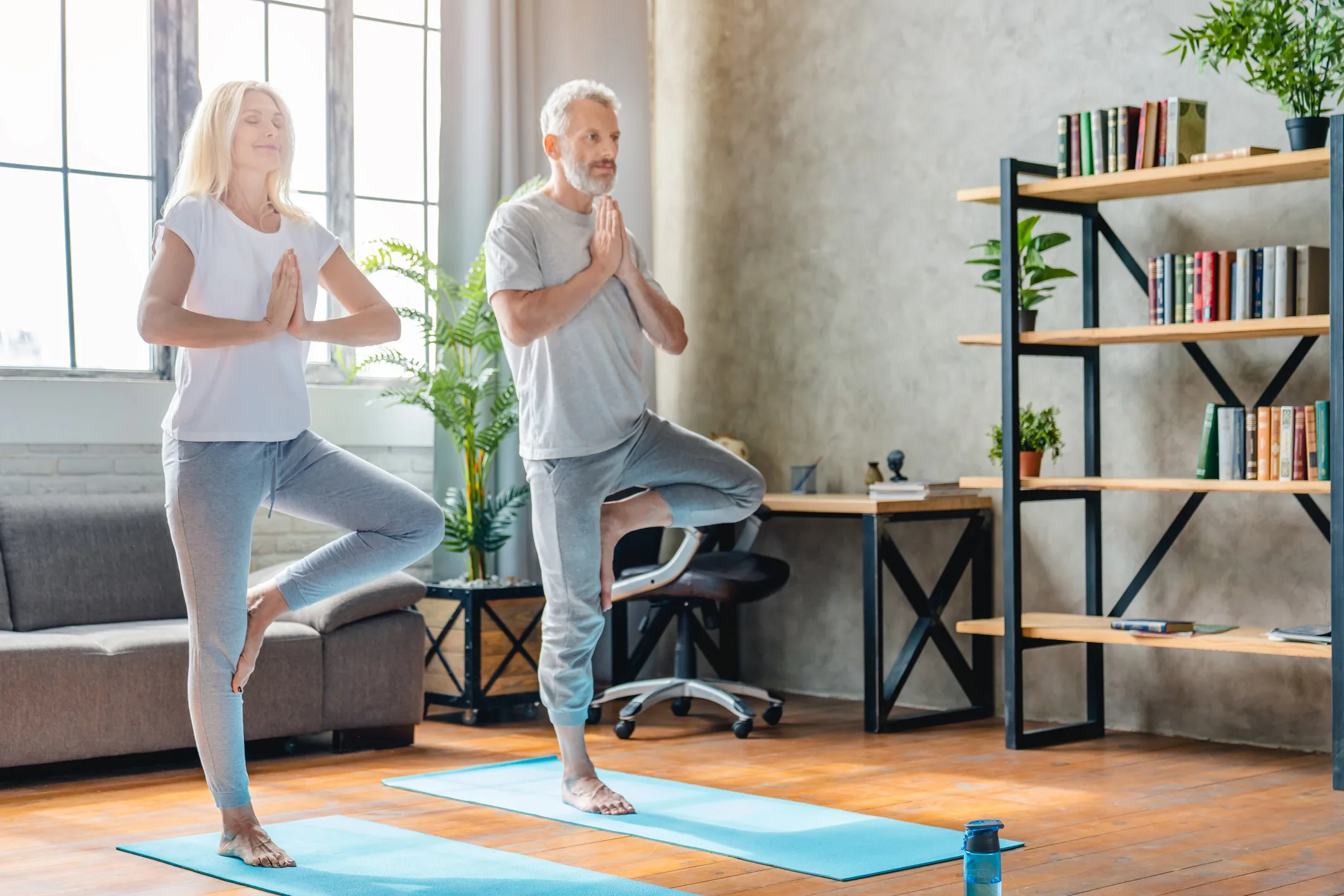
Movement is key, says Lachs, but one mistake older people make is thinking this means extreme exercise. Instead, any type of cardiovascular exercise at modest levels will do, including actions like dancing, walking and climbing the stairs. He’s especially a fan of yoga because it helps with balance and flexibility while providing a social outlet. Positive, enriching relationships also strengthen physical and cognitive health, which promotes longevity, says Stokes.
Lifespan can also be improved through diet – less meat and more plants, advises Lachs. A 2025 study found a combination of consuming foods or supplements rich in omega-3 oils and vitamin D, combined with exercise, is a recipe for slowing biological ageing.
Is it too late to get fit after 70?
Studies suggest that by adopting healthy lifestyle choices, you can “reverse a lot of damage and physiologically even appear younger than you did before you implemented those changes”, says Kado.
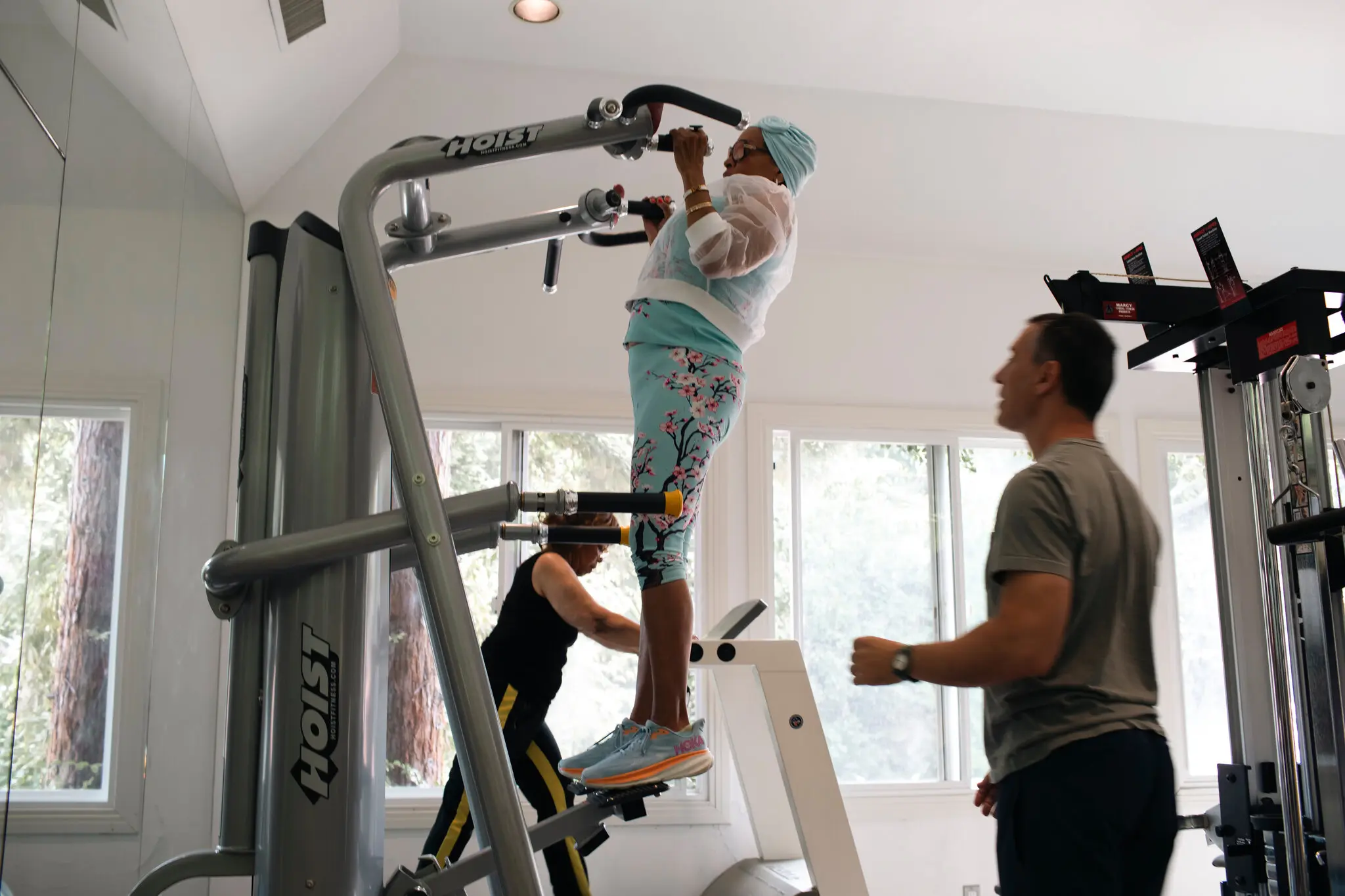
“This is true for your 70s and beyond,” she says. “You can be in a nursing home in your 90s, start high-intensity interval training, and see over 170% increase in your thigh muscle.”
According to the NIA, research shows that exercises that support endurance, balance, strength and flexibility help older adults maintain muscle mass and stay healthy and independent for longer. The NIA also emphasizes that almost anyone at any age can exercise and offers recommendations for people with chronic conditions. A 2009 study published in JAMA Internal Medicine found that adults who started exercising between the ages of 70 and 78 were more likely to live longer and be less lonely than adults of the same age who did not.
But the reverse is also true. If people don’t engage in behaviors like exercising, their health will likely decline, Kado says. Some studies suggest that about 30% of adults over 70 have trouble with walking, climbing stairs and getting out of a chair. These results can be mitigated by exercise.
“If you don’t use your muscles, you’re going to lose more muscle and be more likely to lose your mobility,” she says. “This can impact your mood, independence and cognitive ability.”
The best advice, once again, is to think about these things and start exercising before you turn 70. But even if you don’t, it’s never too late to start.
Source: