From Apple Watches to Fitbits to treadmills, there are more ways than ever for people to keep up with their vitals.
So why does so much fitness tech check your pulse? Because your resting heart rate can say a significant amount about your health, including when it might be time to seek immediate medical care.
What does the research say?
According to Harvard Medical School, a normal resting heart rate is anywhere between 60 and 100 beats per minute. However, it reported that most healthy adults actually fall within 55 to 85 beats per minute.
An individual’s expected heart rate also changes as they age. According to the American Heart Association, a 35-year-old person should have a heart rate of about 93 to 157 bpm during moderate intensity activity – 24% faster than someone twice their age.
A person’s heart rate should be 50% to 85% of their maximum heart rate during moderate activity, according to AHA, and maximum rate should be about 220 minus your age.
Having a heart rate on the lower or higher end of the healthy 60-100 spectrum is not necessarily a sign something is wrong, but an especially low or fast heart rate could be a symptom of something demanding immediate medical attention.
Bradycardia (a heart rate that’s too slow)
A heart rate that’s too slow, often under 60 beats per minute, is known as bradycardia, a condition more common in older adults. A low heart rate is not always bad, though, because it often indicates more efficient heart function and better cardiovascular fitness. The heart drops below 60 beats per minute during sleep, and physically active adults (particularly athletes) can have resting heart rates slower than 60.
“In certain cases, a lower resting heart rate can mean a higher degree of physical fitness, which is associated with reduced rates of cardiac events like heart attacks,” Massachusetts General Hospital Heart Center director of quality and analytics Dr. Jason Wasfy told Harvard Men’s Health Watch.
Bradycardia in older adults, however, can be a sign of wear and tear over time.
“This may be the result of the electrical nodes of the heart aging, or not transmitting electrical signals correctly,” Wasfy added. “You should report these symptoms to your health care provider.”
According to the American Heart Association, symptoms of bradycardia often include fatigue, dizziness, confusion, fainting, shortness of breath and chest pain.
Tachycardia (a heart rate that’s too fast)
A heart rate that’s too high, often over 100 beats per minute, is known as tachycardia, a condition that’s not necessarily a concern. A person’s heart rate can rise briefly because of stress or from physical exertion, but tachycardia that lasts longer or is accompanied with certain symptoms could be a sign something is wrong.
“However, a high resting heart rate could be a sign of an increased risk of cardiac risk in some situations, as the more beats your heart has to take eventually takes a toll on its overall function,” Wasfy said.
According to the Mayo Clinic, anyone experiencing chest pain, shortness of breath, weakness, dizziness or fainting with tachycardia should seek immediate medical help. Heart failure, stroke and sudden cardiac death are some of tachycardia’s serious health risks if left untreated.
How to Check Your Pulse
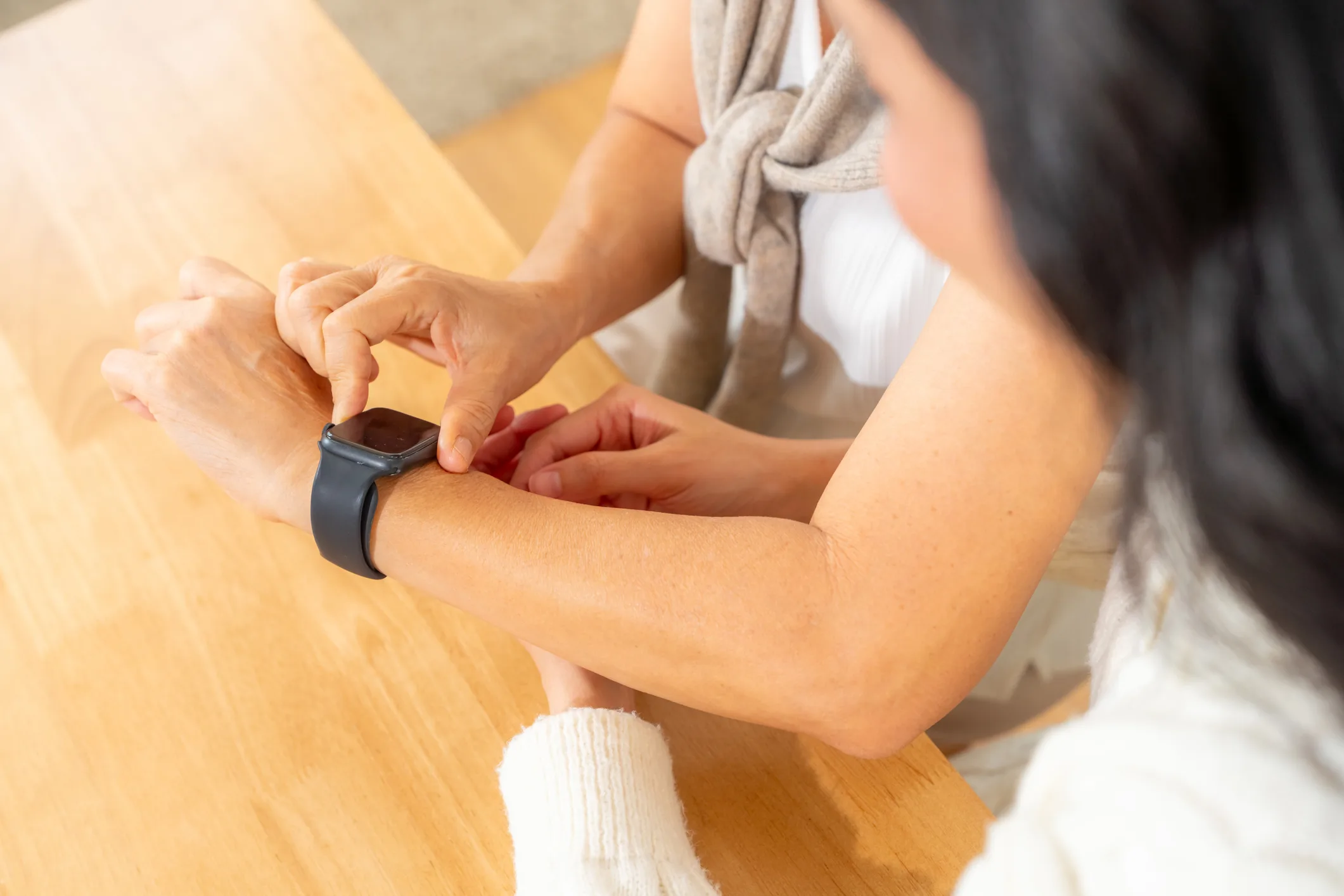
To check your pulse, lightly place your index and middle fingers along the artery in one of your inner wrists. Count the number of pulses you feel through your fingers within 60 seconds. The total pulses will be your heart rate.
Source: