Unlocking the Secrets of Aging: Can Vitamin D Preserve Our Lifelines?
In the relentless pursuit of healthy longevity, scientists are always finding new connections between our lifestyle and our body’s inner workings. A recent study highlights an intriguing link: Vitamin D supplementation and its potential role in preserving the “protective caps” at the ends of our chromosomes, known as telomeres. This discovery offers a glimmer of hope in the quest to slow certain aspects of biological aging.
Telomeres: Our Internal Timekeepers
Imagine your chromosomes as shoelaces. At the very tip of each shoelace is a plastic cap, protecting it from fraying. These are your telomeres. As we age, these telomeres naturally shorten, much like those shoelace caps wearing down. This shortening is a normal part of aging, but it’s also linked to an increased risk of various age-related ailments, including certain cancers. So, anything that helps maintain telomere length could potentially contribute to healthier, more vibrant aging – essentially, keeping your biological shoelaces from unraveling too soon.
The Vitamin D Connection: A Promising New Study
Published in The American Journal of Clinical Nutrition, the latest research suggests that adequate vitamin D levels may play a vital role in maintaining the stability of these crucial telomeric structures. Dr. Haidong Zhu, a molecular geneticist at the Medical College of Georgia, and the study’s first author, stated, “Our findings suggest that targeted vitamin D supplementation may be a promising strategy to counter a biological aging process, although further research is warranted.” It seems our old friend vitamin D might be more than just a bone buddy; it could be a secret agent in the anti-aging brigade.
Expert Perspectives: A Balanced View
While these findings are exciting, experts urge a balanced perspective. Dr. Marilyn Tan, a clinical associate professor of medicine at Stanford University (not involved in the study), noted that while telomere length was protected, “it’s not clear how that translates to real life biological aging.” Dr. David Cutler, a family medicine physician at Providence Saint John’s Health Center, similarly emphasized the study’s limitations: “The present study involved only a relatively small number of people, looked only at telomeres in white blood cells, and did not look extensively at the health impact of these telomere changes. So, the clinical implications one can derive from this study are quite limited.” In other words, don’t ditch your SPF 50 just yet; more research is needed before we declare vitamin D the fountain of youth.
The VITAL Trial: Unveiling the Evidence
The promising insights come from the VITAL randomized controlled clinical trial. Researchers tracked 1,054 participants (women 55+ and men 50+) for five years, examining the effects of vitamin D and omega-3 fatty acids on telomere shortening. While omega-3s showed no significant effect, vitamin D3 supplements were noteworthy: they significantly reduced telomere shortening, effectively preventing the equivalent of nearly three years of biological aging compared to a placebo. So, while omega-3s might be great for your brain, vitamin D seems to give your telomeres extra staying power.
Beyond Telomeres: The Broad Benefits of Vitamin D
Slowing biological aging has profound implications, potentially improving life expectancy and reducing disease risk. Beyond telomeres, vitamin D’s health benefits are well-established. It’s linked to lower blood pressure, improved heart health, and a reduced risk of type 2 diabetes. It’s also crucial for strong bones and preventing osteoporosis, and low levels are associated with chronic inflammation. However, excessive vitamin D can lead to elevated blood calcium and kidney issues. As with most good things, moderation is key.
Boosting Your Vitamin D: Sun, Food, and Supplements
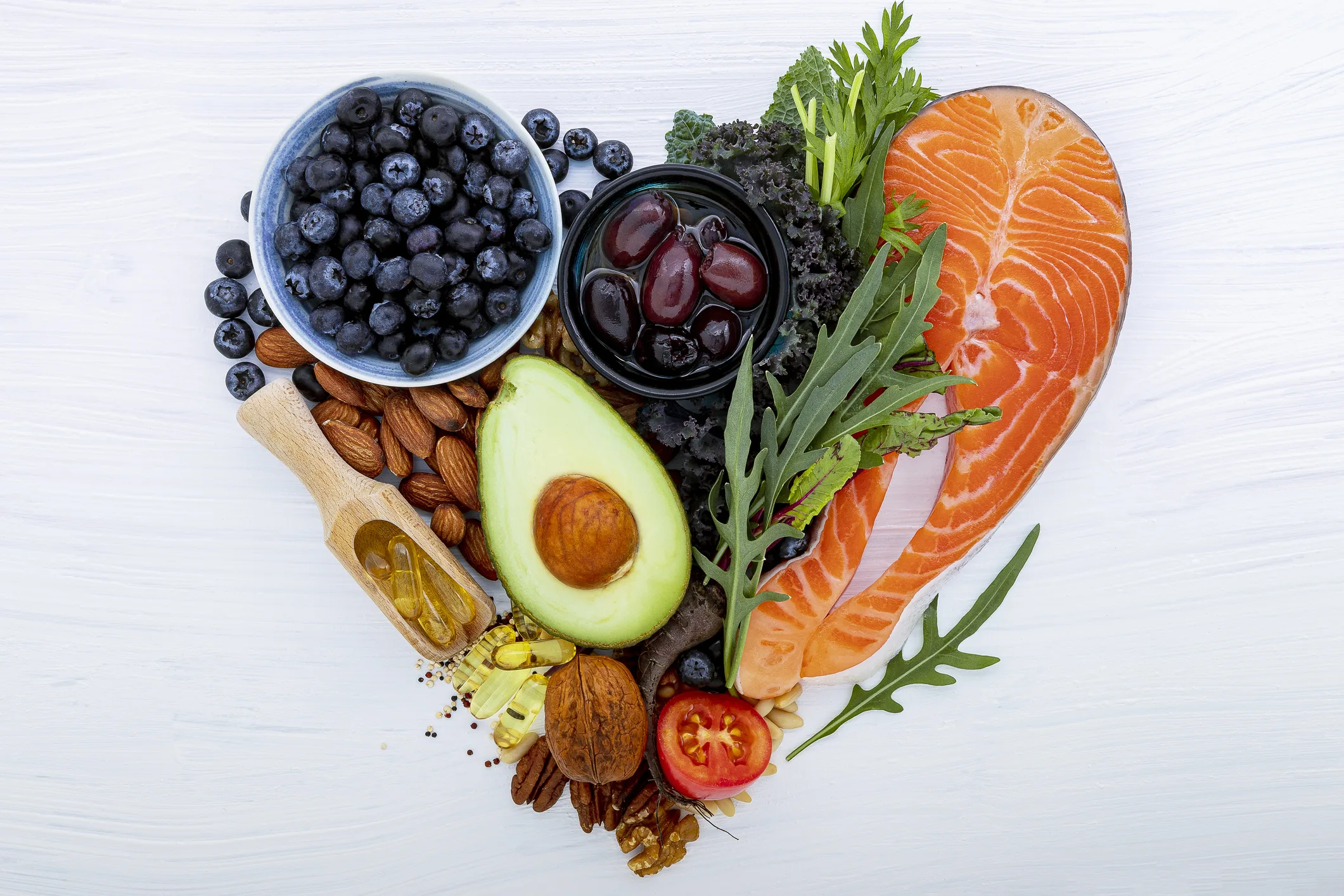
An estimated 35% of Americans are vitamin D deficient. While the “sunshine vitamin” is primarily synthesized through sun exposure, relying solely on sunlight carries risks like sunburn and skin cancer. Food sources, though limited, include cod liver oil (a classic, if not always palatable, choice), fatty fish like salmon, and fortified milk.
The ideal vitamin D intake is highly individualized. As Dr. Tan advises, “To know exactly how much vitamin D supplementation one needs, you should discuss with your healthcare provider.” Dr. Cutler cautions that for healthy adults with normal vitamin D levels, studies haven’t consistently shown benefits from supplementation in reducing cancer rates or increasing longevity. So, while a little extra D might be good, don’t expect it to turn you into a superhero if your levels are already humming along nicely.
The Holistic Approach to Healthy Aging
Ultimately, while the promise of vitamin D and telomere preservation is exciting, a holistic approach to healthy aging remains paramount. As Dr. Cutler succinctly puts it, “The best-supported strategies to preserve telomere length are exercise, diet, stress management, adequate sleep, and avoiding harmful substances like tobacco and alcohol. These lifestyle changes don’t just preserve telomeres — they also broadly support healthy aging.” This new research on vitamin D adds another compelling piece to the intricate puzzle of longevity, encouraging us to consider all aspects of our well-being.
Source:
Vitamin D May Slow Biological Aging and Help You Live Longer