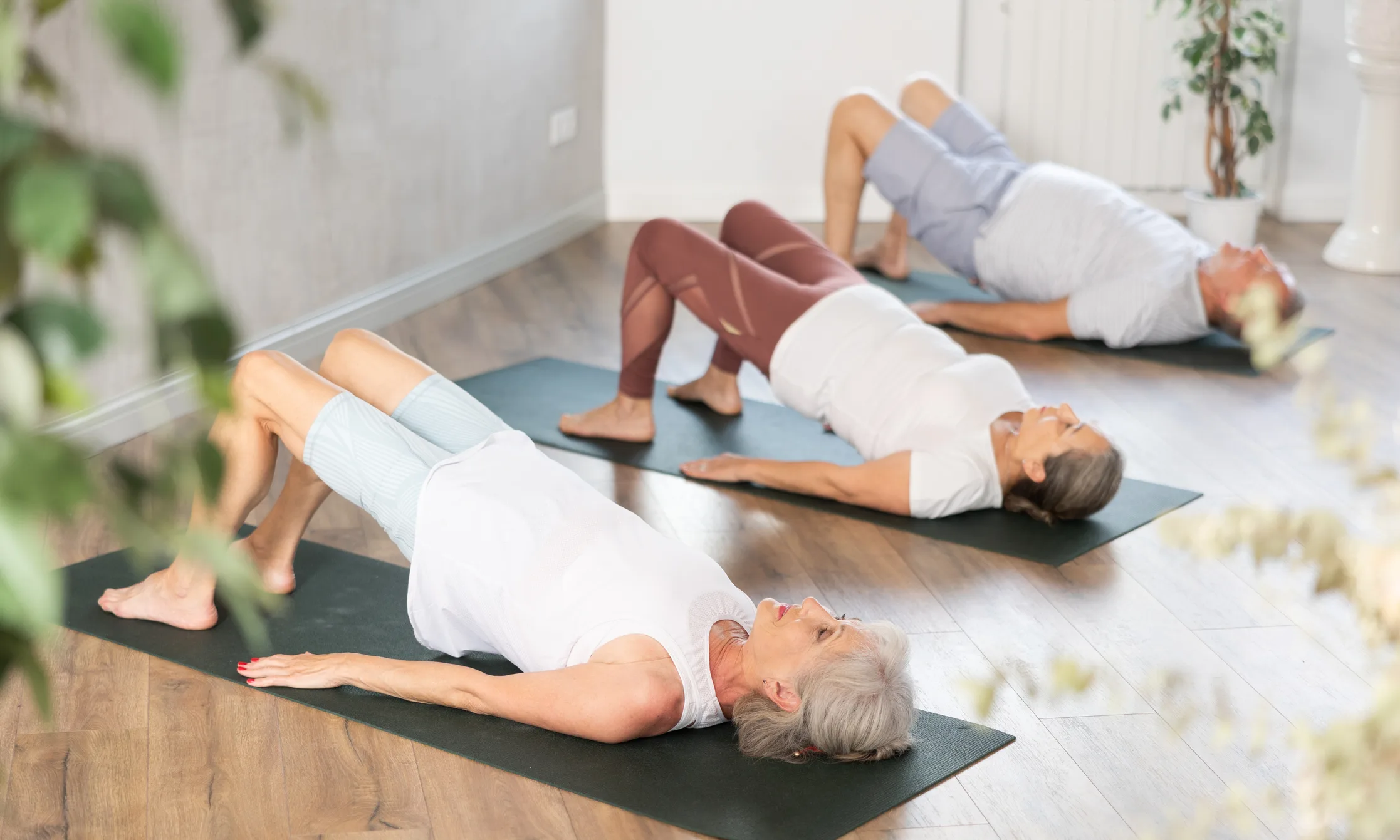
By the time we hit the “fabulous fifties,” our relationship with gravity has become a bit strained. Getting out of a low-seated armchair can sometimes require a countdown, a spotter, and a prayer. If the thought of a “high-impact” land workout makes your knees wince in anticipation, it might be time to consider trading your sneakers for a swimsuit. Water aerobics isn’t just for retirees in floral caps doing synchronized jazz hands; it’s a scientifically backed powerhouse of a workout that lets you get fit without feeling like you’ve been through a car wash.
Low Impact, High Reward: Protecting the Joints
One of the primary reasons aquatic exercise is recommended for adults over 50 is the unique physical property of buoyancy. According to a systematic review published in Frontiers in Public Health, water buoyancy reduces joint loading by 50% to 90%. This is particularly critical for those managing osteoarthritis or chronic joint pain.
- Weight-Bearing Relief: Submersion to the chest level effectively offloads the majority of your body weight, allowing for a greater range of motion without the jarring impact of land-based exercise.
- Osteoarthritis Management: Research in MDPI suggests that aquatic programs significantly improve pain, stiffness, and walking ability in older individuals with osteoarthritis, boasting higher adherence rates due to the comfort of the medium.
- Safety for “Exercise-Naïve” Adults: Water provides a secure environment where the fear of falling is virtually eliminated, encouraging those who haven’t exercised in years to push their limits safely.
Strength and Resistance Without the Heavy Metal
You don’t need a rack of dumbbells to build muscle. Water is roughly 800 times denser than air, providing “omnidirectional” resistance. Every movement you make in the pool is a strength-training rep.
- Muscle Hypertrophy: A meta-analysis in National Library of Medicine indicates that aquatic resistance training significantly increases lower-limb and upper-limb strength.
- Dynamic Balance and Gait: Aqua aerobic therapy has been shown to improve stride time and balance recovery. Study participants showed a measurable decrease in “sway” and a significant reduction in fall risk after consistent aquatic training.
- Bone Health: While traditionally thought that only high-impact land exercise builds bone, research published in National Library of Medicine suggests that the muscle demands of overcoming water resistance provide enough osteogenic stimulus to help maintain bone mineral density.
Cardiovascular and Metabolic Benefits
Water aerobics is a legitimate “heart-healthy” intervention. Because of hydrostatic pressure, your heart actually works more efficiently in the water.
- Improved Aerobic Capacity: Research comparing land-walking to water-walking found that both elicit similar improvements in maximal oxygen uptake (VO2 Max) when conducted at similar relative intensities.
- Blood Pressure and Lipid Regulation: Regular sessions help reduce systolic blood pressure and improve lipid profiles, lowering LDL (the “bad” cholesterol) and helping to prevent metabolic disorders.
The Psychological Splash
The benefits aren’t just physical. The pool is a social hub that offers profound mental health advantages.
- Anxiety and Depression: Clinical trials have shown that 12 weeks of aquatic exercise can reduce depression scores by as much as 53% and anxiety by 48%.
- Cognitive Function: The combination of complex movements and social interaction has been linked to better mood regulation and potentially higher quality of life scores in postmenopausal women.
Wrapping It Up
So, if you’re tired of your joints sounding like a bowl of Rice Krispies every morning, grab your goggles and take the plunge. Whether you’re there for the serious cardiovascular gains or just the chance to move without feeling like a creaky floorboard, the pool has your back (and your hips, and your knees). See you in the shallow end—where we’re all athletes, and the only thing we’re breaking is a sweat, not a hip!
Source:
Physical and Mental Health Benefits of Aquatic Exercise for Older Adults: A Systematic Review
Effectiveness of Aquatic Exercise for Musculoskeletal Conditions
Aquatic Resistance Training and Physical Function in Older Adults: A Meta-Analysis
Effects of Aquatic Exercise on Balance and Gait in the Elderly
Impact of Aquatic Exercise on Bone Mineral Density
Blood Pressure and Lipid Profiles in Aquatic Exercise Programs
Effects of Aquatic Exercise on Mental Health, Anxiety, and Depression