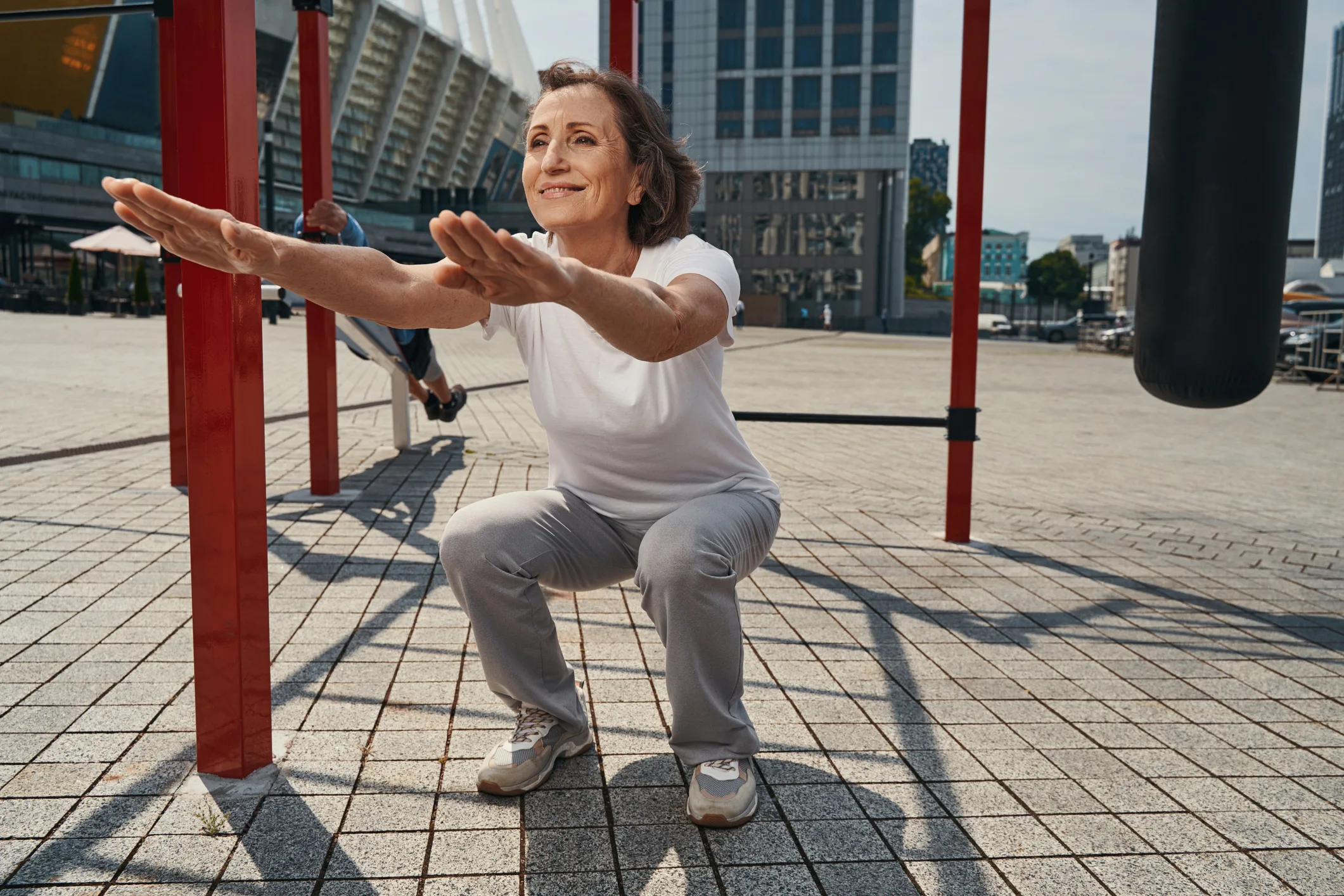
Let’s face it: getting older has its perks—senior discounts, earlier dinner times, and enough life experience to fill a textbook (or at least a very spirited family holiday conversation). But there’s also the stuff no one likes to talk about, like the occasional trip and fall. As 91-year-old Florene Shuber, who started exercising at 82 after a few frightening tumbles, puts it: “One thing that old people don’t realize… is they don’t know falling until they’re this far from the floor.” (She held her fingers an inch apart).
That moment of panic led Florene to a local gym and a personal trainer. Now, she says she feels younger and stronger than she did a decade ago. If that sounds like the plot of a feel-good movie, well, science is backing it up. New research in the journal PLOS One confirms that the narrative of aging as a one-way street to decline is fiction. For adults 50 and older, it is absolutely possible to “reclaim wellness” and bounce back to a thriving life, even after health setbacks.
The Secret Weapon: Your Mind (Seriously!)
Researchers at the University of Toronto studied data from thousands of older Canadians to see what factors contributed to their sense of physical, psychological, emotional, and social well-being. And while a healthy lifestyle was key, one finding was a genuine surprise:
- Mental Health is Your Foundation: Adults who reported having good mental health at the start of the study were nearly five times more likely to achieve optimal well-being three years later.
- Motivation Starts in the Brain: Simply put, if you’re not struggling with depression or loneliness, you’re far more likely to find the motivation to do the “hard work” of exercise, eating well, and getting good sleep. Turns out, addressing your psychological and emotional needs first can be the fastest path to physical recovery.
- Ditch the Isolation: Social connection is critical. And no, you don’t have to become a “raging extrovert.” If you have one or two dear friends, and those relationships are wonderful, that’s powerful. As Florene Shuber found after moving to a retirement community, making an effort to stay connected is non-negotiable as you age.
The Simple (But Not Always Easy) Bounce-Back Plan
What else did the data show about those 8,332 people who successfully improved their health and well-being? Turns out, it’s mostly a checklist of common sense your doctor (and maybe your grandchildren) would give you.
- Move It or Lose It: Like Florene discovered, consistent exercise (both aerobic and strength training) is vital. It’s never too late to start, but check with your doctor first if you’re not sure what’s appropriate for your current level of fitness.
- The Big Three Lifestyle Choices: The data proved that not smoking (or quitting!), eating well, and getting enough sleep are fundamental predictors of your ability to regain your health.
- Keep That Brain Humming: Older adults who thrive have a shared trait: a desire to keep growing and learning. Whether you audit a college class like 82-year-old Marion Gommerman (who now studies alongside her grandson—talk about a family legacy!) or just commit to reading and staying connected to your community, the message is clear: Just keep learning somehow.
Florene, who had a first career as an educator, a second as a lawyer, and a third founding a teachers college, didn’t fully retire until she was 86. Her secret to a fulfilling life? “The big surprise about growing older is that there were a lot of things I find still very exciting,” she says.
Takeaway
The bottom line for those of us in the 50+ club? Stop viewing aging as a downhill slide. Instead, see it as an opportunity to focus, build strength, and maybe finally get that revenge body you’ve been putting off since the 1980s. You’ve earned it.
Source: