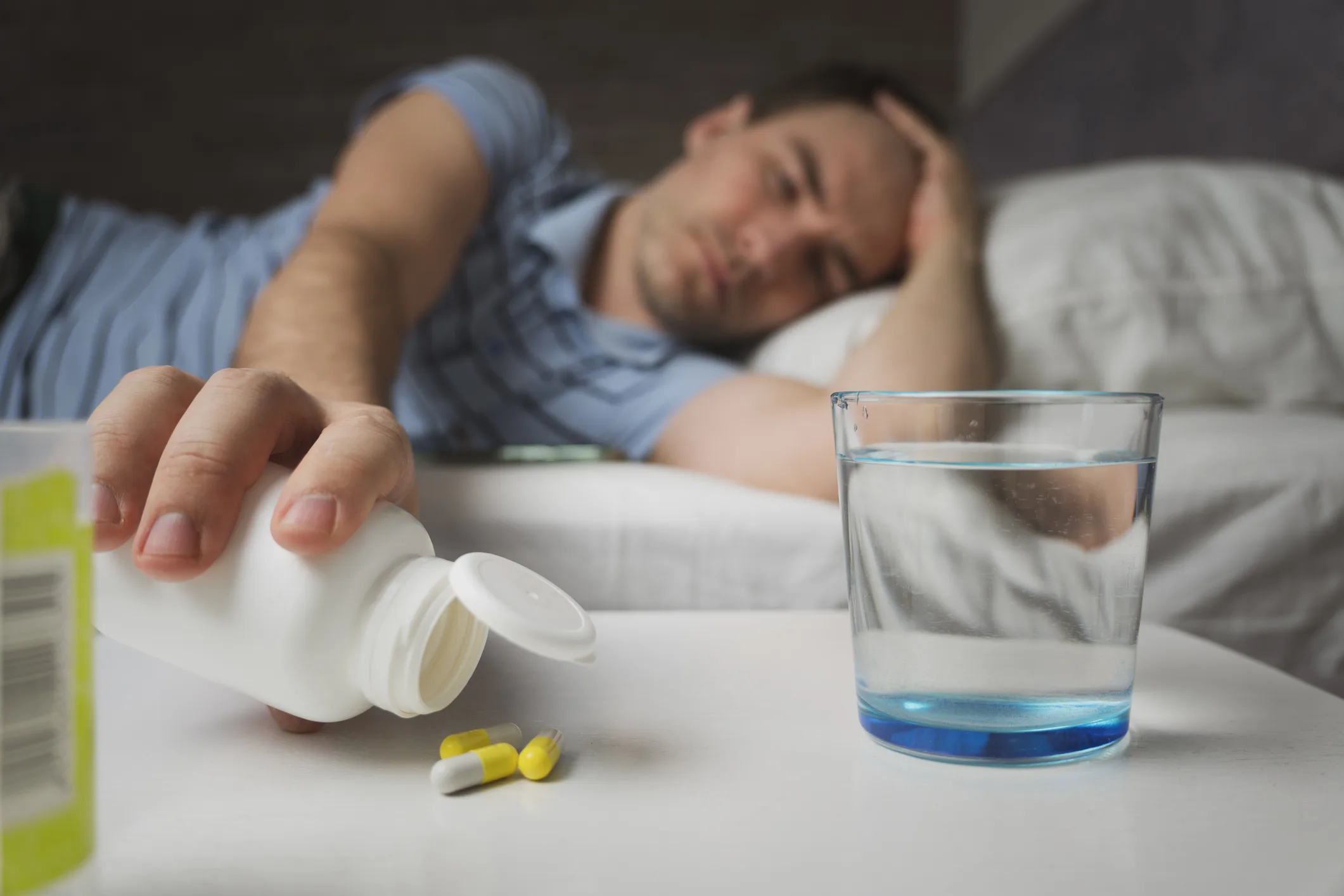
Remember the days when the only thing you had to worry about at breakfast was whether the coffee was hot enough or if the toaster was going to burn your bagel again? Back then, “interaction” was something you did at a cocktail party, not something that happened between your fruit bowl and your pharmacy bottle. But as we cross the threshold of 50, our bodies decide to become a bit more… discerning. Suddenly, a simple grapefruit isn’t just a refreshing start to the day; it’s a biological disruptor with enough power to make your doctor break into a cold sweat. If you feel like your golden years are starting to come with more fine print than a car rental agreement, you aren’t alone—and it turns out, the culprit might be hiding in your crisper drawer.
The Science of the Interaction
As we age, the likelihood of needing daily prescription medication increases significantly. According to data from the Kaiser Family Foundation, nearly 75% of adults aged 50 to 64—and an astounding 89% of those 65 and older—rely on at least one prescription drug. For these medications to function safely and effectively, the body must be able to break them down and absorb them at a controlled rate.
Primary care physicians point to grapefruit as a primary concern because of naturally occurring compounds called furanocoumarins. These compounds interfere with an essential enzyme in the small intestine known as CYP3A4. Under normal circumstances, this enzyme helps metabolize many drugs before they ever reach the bloodstream. When grapefruit “shuts down” this enzyme, it allows a significantly higher concentration of the medication to enter your system than intended.
Medications at Risk
The impact of this interaction isn’t just a minor fluctuation; it can raise medication levels in the blood many times higher than a dose taken with water. This can lead to increased side effects or even dangerous toxicity. Common classes of medication affected include:
- Statins: Used for lowering cholesterol (e.g., atorvastatin, lovastatin, and simvastatin).
- Blood Pressure Medications: Specifically certain calcium channel blockers like nifedipine and felodipine.
- Psychiatric Medications: Various antidepressants and anti-anxiety treatments.
- Immunosuppressants: Crucial for transplant patients or those with autoimmune conditions.
- Antihistamines: Certain over-the-counter and prescription allergy relief options.
Recognizing the Dangers
When the CYP3A4 enzyme is blocked, the drug stays in your system longer than it should. The consequences vary depending on the specific medication:
- Statin complications: Higher levels can lead to severe muscle pain, weakness, or even muscle breakdown (rhabdomyolysis).
- Blood pressure drops: Too much calcium channel blocker can cause a sudden, sharp decrease in blood pressure, leading to dizziness, lightheadedness, or fainting.
- Heart rhythm issues: For those on anti-arrhythmic drugs, the interaction can trigger dangerous irregular heartbeats.
Safe Alternatives and Precautions
The effect of a single grapefruit or a glass of juice can persist in the body for 24 to 72 hours, meaning you can’t simply “time” your medication around your breakfast. However, this doesn’t mean all citrus is off the table.
While you should be cautious of Seville oranges (often used in marmalade), pomelos, and tangelos, most other citrus fruits do not affect the CYP3A4 enzyme. You can generally safely enjoy:
- Standard navel or Valencia oranges
- Mandarins and clementines
- Lemons and limes
Always consult your primary care provider or pharmacist to check the specific labels on your prescriptions. In some cases, a small amount of grapefruit may be permissible, but only under professional guidance.
A Bittersweet Conclusion
So, if you’re currently staring at a pink grapefruit with the same suspicion you’d give a telemarketer calling during dinner, you’re on the right track. It’s one of life’s little ironies: we finally reach an age where we’re disciplined enough to eat our fruit, only to find out the fruit is staging a coup against our Lipitor. The good news is that an orange or a handful of clementines will give you that same Vitamin C kick without turning your morning pill routine into a high-stakes chemistry experiment. Keep the zest in your life, but maybe keep the grapefruit at a safe, socially-distanced length—unless, of course, your doctor gives you the green light to squeeze the day!
Source:
The Popular Food That People Over 50 May Need To Limit, According to Primary Care Physicians