Getting older is a privilege, though it does come with a few logistical challenges. For instance, you might notice that your keys enjoy playing hide-and-seek more than they used to, or that remembering why you walked into the kitchen requires a brief meditative pause. While a little forgetfulness is a standard perk of crossing the half-century mark, protecting our long-term cognitive health becomes a major priority as we age. But as it turns out, the blueprint for a healthy brain isn’t one-size-fits-all. A groundbreaking study published in Biology of Sex Differences (2026) suggests that when it comes to dementia risk, men and women are playing under entirely different sets of rules.
The Sex Differences in Brain Vulnerability
While it is well-established that women account for nearly two-thirds of all Alzheimer’s disease cases, researchers have historically chalked this up to the fact that women, on average, outlive men. However, data analyzed from over 17,000 middle-aged and older adults in the Health and Retirement Study reveals a more complex reality.
The study, led by researchers at the University of California San Diego School of Medicine, evaluated 13 modifiable dementia risk factors. The findings demonstrate that women are uniquely and disproportionately sensitive to the cognitive impact of specific metabolic, cardiovascular, and sensory health conditions compared to men. In short, the exact same health issue can cause minor cognitive ripples in a man but a significant cognitive downswing in a woman.
The Heavy Burden of Midlife Cardiometabolic Health
The research highlights a stark disparity in how cardiovascular and metabolic stressors affect the brain. Even though certain conditions may be statistically more common in men, their presence in women carries a much higher cognitive penalty.
- Hypertension (High Blood Pressure): High blood pressure consistently demonstrated a much stronger association with poorer cognitive performance in women than in men. Chronic hypertension damages the small blood vessels in the brain, restricting blood flow and reducing oxygen delivery. Women face unique vascular stressors across their lifespans—ranging from pregnancy complications to menopause-related hormonal shifts—which may leave their cerebral vasculature more vulnerable to damage.
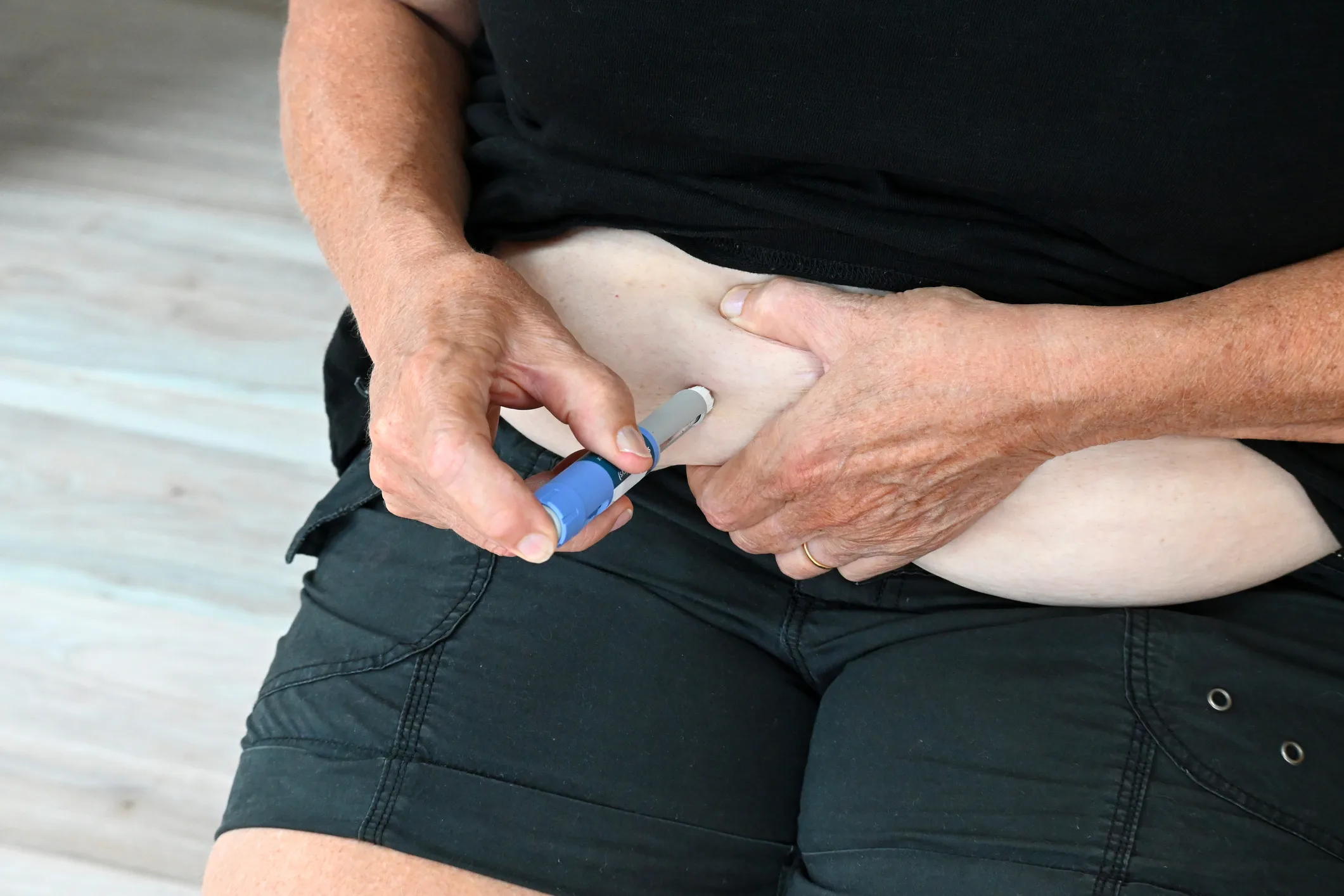
- Diabetes and Insulin Resistance: While diabetes is highly detrimental to overall health regardless of sex, its negative association with cognitive scores was significantly steeper in women. Diabetes impairs how the brain utilizes glucose and promotes systemic inflammation, accelerating cognitive decline.
- Elevated Body Mass Index (BMI): The study observed that higher BMI and obesity during midlife (specifically around ages 55 and 65) correlated with a sharper decline in cognitive function for women. Conversely, the same negative impact was not observed to the same degree in men of the same age, emphasizing that midlife metabolic health is highly critical for female neuroprotection.
The Cognitive Toll of Hearing Loss and Mental Health
Beyond cardiovascular metrics, everyday sensory and psychological factors play a profound role in maintaining neural networks.
- Untreated Hearing Loss: Interestingly, hearing loss is technically more prevalent among men. However, the study found that when women experience hearing loss, the negative impact on their cognitive performance is nearly twice as severe. Untreated hearing loss forces the brain to reallocate precious cognitive resources simply to decode sound, leading to structural brain atrophy and accelerated social withdrawal.
- Depression and Chronic Sleep Issues: Women in the study reported significantly higher rates of depression (17% vs. 9%) and sleep difficulties (45% vs. 40%). Emerging medical research indicates that poor sleep directly hinders the brain’s glymphatic system—the nightly “waste management” protocol that clears out amyloid-beta proteins associated with Alzheimer’s disease. Combined with the neurological strain of depression, these factors create an environment of chronic inflammation.
Actionable Strategies for Personalized Prevention
Because these risk factors are entirely modifiable, identifying these disparities gives healthcare providers and individuals a clear roadmap for targeted, sex-specific prevention strategies.
- Aggressive Vascular Monitoring: Women in midlife and beyond should closely monitor and manage blood pressure and blood sugar. Early medical intervention for hypertension can significantly mitigate long-term cerebrovascular damage.
- Prioritize Sleep and Stress Management: View quality sleep not as a luxury, but as essential neurological maintenance. Address chronic insomnia or sleep apnea early to ensure the brain can clear metabolic waste effectively.
- Proactive Hearing Care: Treat hearing changes seriously. Getting fitted for hearing aids early reduces cognitive overload and helps maintain active engagement in social settings.
- Comprehensive Exercise Regimens: Incorporating regular aerobic exercise improves vascular flexibility, reduces inflammation, and enhances insulin sensitivity. Adding strength training during midlife helps preserve muscle mass, which plays a major role in stabilizing metabolic health.
Takeaway
Ultimately, this research serves as an important reminder that as we navigate our 50s, 60s, and beyond, taking care of our brains involves a lot more than just completing the daily crossword puzzle. It requires keeping a vigilant eye on our blood pressure, getting a solid night of sleep, and perhaps finally admitting that the television volume doesn’t need to be set to maximum. By understanding these sex-specific vulnerabilities, we can tailor our lifestyle choices to keep our minds sharp, ensuring that the only things we forget in our golden years are the things we wanted to forget anyway—like the fashion trends of the 1970s.
Source:
Sex differences in modifiable risk factors of dementia and their associations with cognition