2 MIN. READ

Yoga’s Impact on Mental Health

iStock/Wavebreakmedia

A study performed by the British Journal of Sports Medicine concluded that people with at least one mental health condition such as depression, panic disorders, anxiety, or post-traumatic stress disorder who practiced yoga for two months (1-3 sessions per week at 20 – 90 mins per session) saw their symptoms decrease. In particular, movement-based yoga improved the mental health of the participants the most.

Why is this interesting?

While we know the benefits of yoga when it comes to improving strength, balance, and flexibility, as well as reducing chronic physical issues like back pain, the mental health benefits have not been thoroughly examined.

The reasons for the mental health benefits of yoga are due to both the physical postures and breathing exercises (pranayama), as well as the meditation aspect. Yoga has been shown to reduce the production of stress hormones like cortisol, promoting a calmer and more relaxed state of mind. It has also been shown to increase the production of endorphins, which is the body’s natural mood booster. Both of these benefits lead to improved mental health.

Interestingly, it was found that the duration of each yoga session was not as significant in improving mental health as the number of sessions. This would suggest performing yoga say 5 times per week at 15 mins per session is better than 1-3 times per week at 20-90 mins per session. At least when it comes to improving mental health. Physical health may benefit from longer sessions.


Source:

Effects of yoga on depressive symptoms in people with mental disorders: a systematic review and meta-analysis

Cortisol and antidepressant effects of yoga

The role of yoga in inflammatory markers

Can yoga really help depression and support mental health? New research

Share the Post:

Active Aging News

Weekly Newsletter

RELATED NEWS

Overweight Woman Running in Park

Should Losing Weight or Exercising Be Your Goal?

infographic-style illustration titled Understanding Polygenic Scores set against a blue background. On the left, a large, colorful DNA double helix stands vertically, labeled with references to multiple genetic variants (SNPs) and risk alleles, visually suggesting small genetic differences within DNA.

The “Cheat Codes” for Your 60s: Why Your Polygenic Score Matters Now

Medical technology, AI technology is utilized by doctors for diagnosing increasing the accuracy of patient treatments. Medical research and development innovation technology to improve patient health.

How Artificial Intelligence is About to Hyper-Personalize Your Cancer Screening

White fermented yogurt with blueberry, figs, chia seeds and raspberry in bowl on light gray table

The 50% Difference: New U.S. Study Links Yogurt and Probiotics to Drastically Lower Colon Cancer Risk

The Specialist electrical engineer communicated with the team via walkie-talkie at night against the light of bokeh in the background

The Unseen Toll: How Shift Work May Accelerate Aging

OTHER STORIES

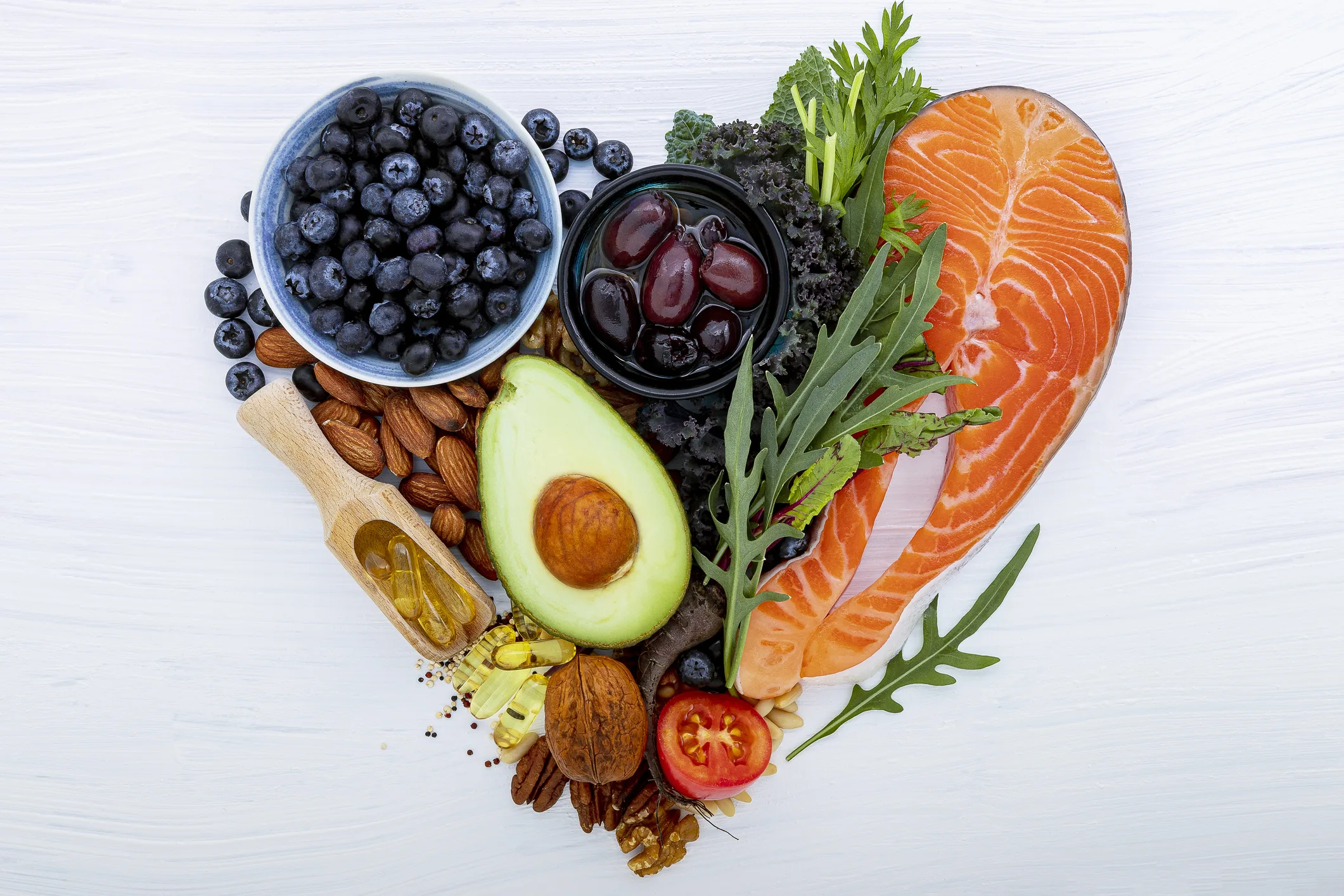
Heart shape of ketogenic low carbs diet concept. Ingredients for healthy foods selection on white wooden background. Balanced healthy ingredients of unsaturated fats for the heart and blood vessels.

Eat Like a Centenarian, Not a Social Media Influencer

Senior man sleeping

Mastering the ‘Wind-Down’: Science-Backed Tips for Sleep Consistency

Worried Senior Man In Bed At Night Suffering With Insomnia

Wanna Sleep Better After 60? Grab Those Weights!

Senior, man group and fitness selfie at park together for elderly health or wellness for happiness smile. Happy retirement, friends portrait or runner club in diversity, teamwork or outdoor training

How Exercise Kicks Loneliness to the Curb for Seniors

Happy Couple Riding Bicycles in Leafy Park

Positive Thinking And It’s Impact on Health

Demi Moore in chic white knit dress on couch

From Self-Judgment to Cellular Health: Inside Demi Moore’s Personal Longevity Philosophy

[chatbot style="floating"]

Please enter your email to access your profile