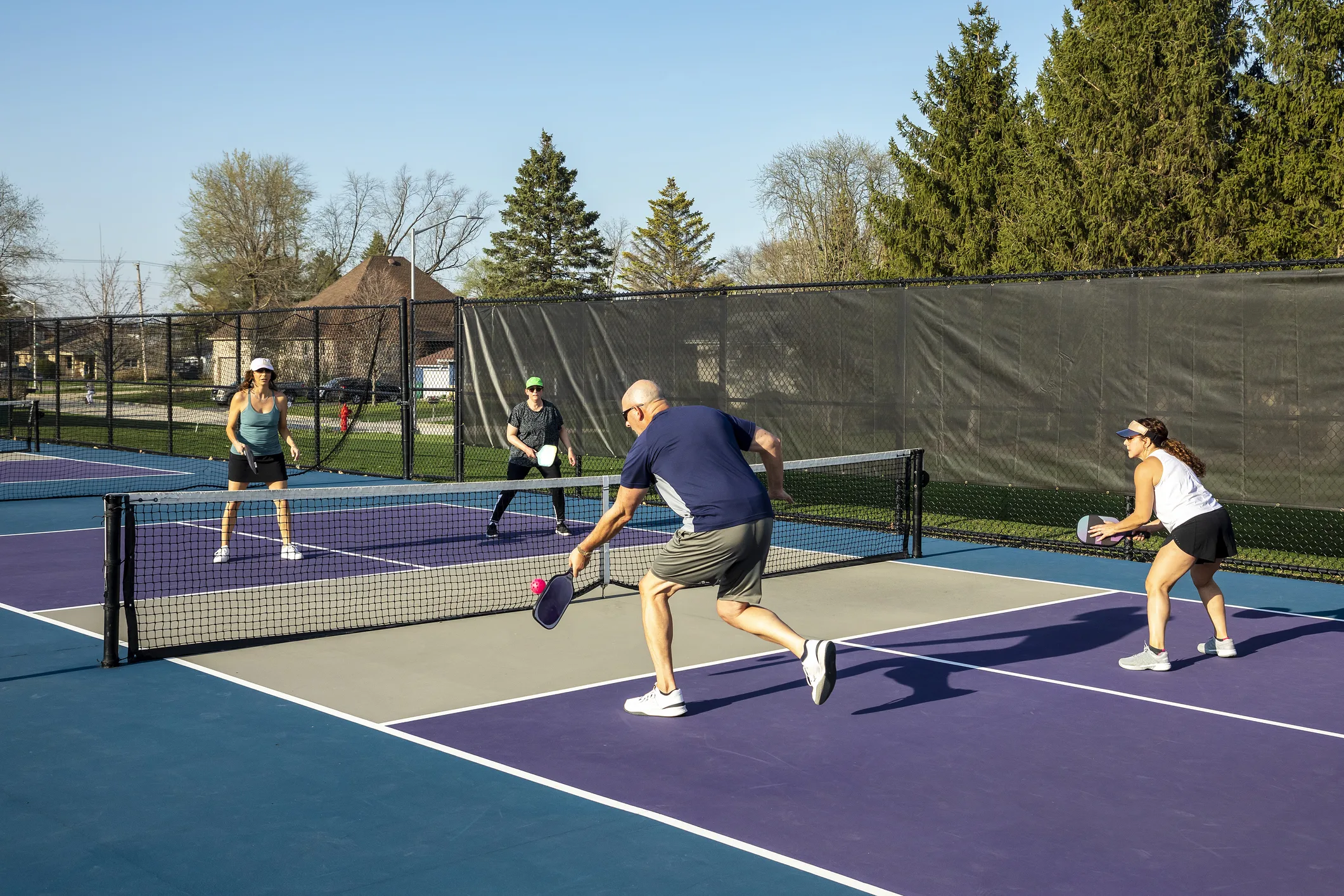
Remember when exercise recovery simply meant finding a comfortable recliner, turning on the evening news, and staying perfectly still until the grocery store coupons arrived? While that sounds like an excellent Sunday afternoon, modern sports science suggests that complete hibernation might not actually be the best way to bounce back from a workout. In fact, if your current post-exercise strategy looks indistinguishable from a standard afternoon nap, you might be missing out on a faster path to feeling good.
Let’s examine how the concept of recovery has changed, what the science actually says, and how you can apply these principles to protect your joints, maintain your mobility, and keep moving comfortably.
Active vs. Passive Rest: What’s the Difference?
When you finish a challenging walk, a swim, or a light weightlifting session, your body goes into repair mode. How you handle your off-days dictates how quickly you overcome the inevitable stiffness.
- Passive Rest (Complete Rest): This involves minimal physical exertion. It means focusing strictly on proper nutrition, deep sleep, and proper hydration while giving your muscles a complete break.
- Active Rest (Active Recovery): This involves performing very light, sub-maximal movement on your non-training days. Instead of taxing your body, you perform gentle exercises that stimulate blood flow without adding any fresh microtrauma (tiny microscopic tears) to your muscle fibers.
According to a review of recovery strategies published in sports medicine literature, both methods play a vital role. However, they serve different purposes depending on how heavily you exerted yourself during the week.
The Benefits of Moving on Off-Days
For adults over 60, active rest can often be a superior tool for daily comfort. While passive rest allows for identical cellular repair time, total inactivity frequently leads to joint stiffness, meaning your next workout requires a significantly longer, more tedious warmup.
- Circulation and Waste Removal: Low-intensity movement increases blood circulation. This steady flow efficiently delivers oxygen-rich blood to your tissues, helping to clear metabolic waste products like hydrogen ions that accumulate during exercise.
- Stiffness Prevention: Gently moving opposing muscle groups or focusing on mobility routine applies a mild, healthy stress to muscle fibers. This signals the body to maintain flexibility and keeps the joints lubricated.
- Central Nervous System Protection: Active rest keeps your body primed without exhausting your nervous system, ensuring you are prepared for your next real workout.
Gym Myths vs. Scientific Facts
Fitness culture is full of well-meaning advice that doesn’t hold up under a microscope. Here is what clinical research says about common recovery beliefs:
- The “Protein Window”: You may have heard that you must consume protein within 30 minutes of a workout or your effort is wasted. Science shows that your body repairs tissue over a span of several hours. Think of it less as a strict 30-minute window and more as a wide-open barn door. Consistent protein intake throughout the day is what matters.
- Lactic Acid Flush: Many believe that active recovery is necessary to “flush out” lactic acid to prevent next-day soreness. In reality, lactate clears from your blood naturally shortly after your workout ends. It is not the culprit behind the deep muscle soreness you feel 24 to 48 hours later.
- Accelerated Tissue Repair: While light movement significantly reduces the sensation of muscle pain and stiffness, clinical studies show it does not actually alter or speed up the biological rate of structural tissue repair.
- Ice Baths: Submerging yourself in freezing water is popular for reducing immediate swelling. However, recent research indicates that ice can actually blunt muscle growth and slow down protein synthesis if used immediately after a strength workout.
How to Properly Structure an Active Rest Day
To ensure an active rest day remains restorative rather than exhausting, you must strictly limit your volume and intensity.
- Keep Intensity Low: Your resistance should never exceed 30% to 50% of your maximum capability. If you are lifting weights or using resistance bands, choose a weight that feels incredibly light.
- Limit Your Sets: Stick to just 1 or 2 easy sets of 8 to 10 repetitions.
- Monitor Your Breathing: You should finish an active rest session feeling completely unfatigued, breathing normally, and without breaking a heavy sweat.
- Focus on Variety: Do not repeat the exact movements from your heavy workout day. If your legs are sore from a long walk, focus on gentle upper-body mobility, tai chi, or light stretching instead.
When to Choose Complete Inactivity
Active recovery is a valuable tool, but it should not be used to mask genuine exhaustion. Complete, passive rest is required if you experience symptoms of overtraining or central nervous system fatigue. If you are dealing with persistent joint pain, poor sleep quality, or an elevated resting heart rate, your body is telling you to take a true day off. A smart fitness program should preserve your existing strengths rather than burning the candle at both ends.
Takeaway
So, the next time you find yourself debating whether to take a gentle stroll or remain fused to your favorite armchair, remember that your muscles prefer a bit of circulation over total stagnation. You don’t need to train like a commando on your days off—leave the high-intensity drills to the youngsters. Just a little bit of purposeful movement will keep your joints happy, your muscles limber, and your recliner waiting for you when you truly need it.
Source:
Rest or Active Rest? Myth vs. Fact and What’s Best for Exercise Recovery