If you have ever caught yourself doing a dramatic, arms-flailing, mid-living-room dance after stubbing your toe on the coffee table, congratulations: you’ve experienced a real-time audit of your balance system. While we tend to obsess over cardio for our heart and strength training for our muscles, balance is quietly emerging as the ultimate predictor of how long—and how well—we will live. It turns out that standing on one leg isn’t just a party trick or a yoga pose; it’s a vital sign for healthy aging.
The Longevity Cue Hiding in Plain Sight
Recent medical literature highlights a clear connection between physical stability and overall lifespan. According to a 2022 study published in the British Journal of Sports Medicine, individuals aged 51 to 75 who were unable to stand on one leg unassisted for 10 seconds faced an 84% higher risk of mortality over the following decade compared to those who passed.
Furthermore, a 2024 Mayo Clinic study identified the single-leg stance as a primary marker of neuromuscular aging. Researchers found that the duration an individual can maintain balance on one leg serves as a more reliable indicator of physical decline than traditional measures like grip strength, gait speed, or general muscle mass.
The Domino Effect of Balance Loss
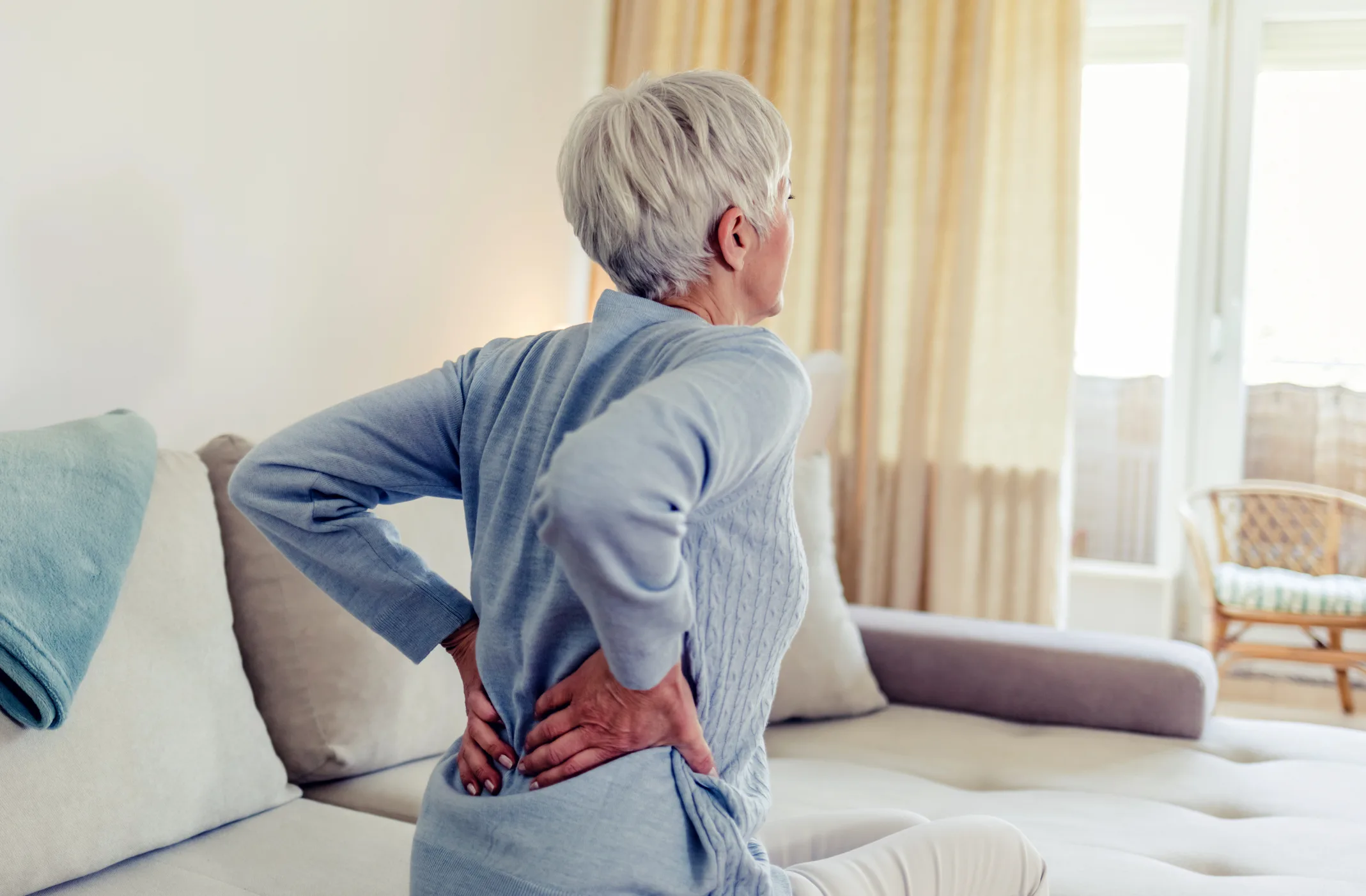
Balance impairment rarely remains an isolated issue. When stability wanes, it often triggers a series of cascading health events that significantly impact independence and longevity:
- Elevated Fall Risk: The Centers for Disease Control and Prevention (CDC) reports that one in four Americans aged 65 and older falls each year, making falls the leading cause of injury-related death in this demographic.
- The Mobility-Health Spiral: A single fall can lead to an underlying fear of falling, causing individuals to restrict their physical activity. Reduced mobility accelerates muscle loss, weakens cardiovascular health, and elevates the risk of chronic conditions such as diabetes and heart disease.
- Cognitive and Social Impact: Decreased confidence in one’s stability often leads to staying home, resulting in social isolation. Reduced social engagement and reduced physical movement are both documented risk factors for accelerated cognitive decline and depression.
“Falls lead to injury, which leads to decreased mobility, confidence, and activity. Having good balance is critical to continue engaging with the world and maintaining your quality of life.”
— Mike Teater, Director of Balance Education at Fyzical
Understanding the Body’s Internal GPS
Balance feels like a single physical action, but it relies on a complex real-time collaboration between three distinct sensory systems:
- The Ocular System (Vision): Your eyes provide visual cues to horizon lines and spatial orientation.
- The Vestibular System (Inner Ear): Works like a built-in spirit level, sensing motion, head position, and gravity.
- Proprioception (Somatosensory Input): Micro-sensors in your joints, ankles, and feet that tell your brain where your body is in space.
Dr. Kimberly Burbank, a sports medicine physician at UCLA Health, explains that balance training operates much like brain training:
“Balance is a real-time assessment of how well our brain, nerves, and muscles work together. It’s one of the strongest functional predictors of health because it requires coordination across multiple processing centers.”
Because balance relies on this intricate sensory loop, it can decline faster than basic muscle strength as we age. However, age-related changes do not mean stability cannot be retrained.
Targeted Strategies to Rebuild Stability
Adding balance training to your routine does not require specialized gym equipment, nor does it replace standard aerobic and strength guidelines (such as the CDC’s recommended 150 minutes of moderate activity weekly). Small, consistent inputs yield significant neuromuscular adaptations over time.
- Perform Single-Leg Stances: Practice standing on one foot near a sturdy counter or wall for support. Aim for 10 to 30 seconds per side.
- Incorporate Tandem Walking: Walk in a straight line, placing the heel of one foot directly in front of the toes of the other with each step.
- Try Evidence-Based Programs: Look into structured interventions like the Otago Exercise Program—a physical therapy protocol consisting of 17 targeted strength and balance movements paired with a walking plan.
- Utilize Micro-Sessions: Practice simple stability moves during daily downtime, such as balancing while waiting for water to boil or holding a single-leg stance during television commercial breaks.
Retraining your neuromuscular system requires consistency, with tangible improvements typically appearing within three to six months of regular effort.
Takeaway
So the next time you find yourself standing on one foot in the kitchen, embrace the wobble. You aren’t just practicing not falling over—you’re actively investing in your independence, keeping your brain sharp, and ensuring you stay upright and mobile for years to come.
Source: