As we age our mental and physical abilities naturally weaken. It’s important, therefore, that older adults do everything they can to stave off this natural phenomenon.
Good balance allows you to perform everyday tasks with ease, from walking and climbing stairs to carrying groceries. However, as we age, our balance deteriorates. Without compensating through exercise, even simple movements will become challenging, leading to a decreased quality of life. It also increases your risk of falls, which leads to severe injuries.
The Research
A recent study, conducted by the Mayo Clinic, of adults age 50 and older concluded that Unipedal Balance, or the ability to stand on one leg like a flamingo, was the most reliable indicator of neuromuscular aging and offers valuable insights for developing interventions to support older adults’ mobility, independence and overall well-being.
“Unipedal stance time is a valid measure of frailty, independence and fall status, and proves to be a useful tool in identifying patients with peripheral neuropathy … This is why balance on one leg, as demonstrated in our study, undergoes the fastest decline in our healthy cohort, reflecting age-related declines in muscle strength”
Research shows that the ability to balance on one leg decreases with age by approximately 2.2 seconds per decade on the non-dominant leg and by about 1.7 seconds per decade on the dominant leg. It is therefore an easy and accurate measurement of your neuromuscular health.
How to perform the Unipedal Balance Test
- Keep your eyes open and your hands on your hips
- Stand on one leg without any other support
- Time starts when your foot leaves the ground and stops when you put your foot back down (or take your hands off your hips)
What should you be shooting for?
Ages 18-49: You should aim to balance for about 60 seconds
Ages 50-59: You should aim to balance for about 40 seconds
Ages 60-69: The target is approximately 35 seconds
Ages 70-79: You should strive for 20 seconds
Ages 80 and older: The goal is around 5 seconds
How to Improve Your Unipedal Balance Time?
If you can’t meet the above guidelines, then it’s time to do something about it. Here are some suggestions:
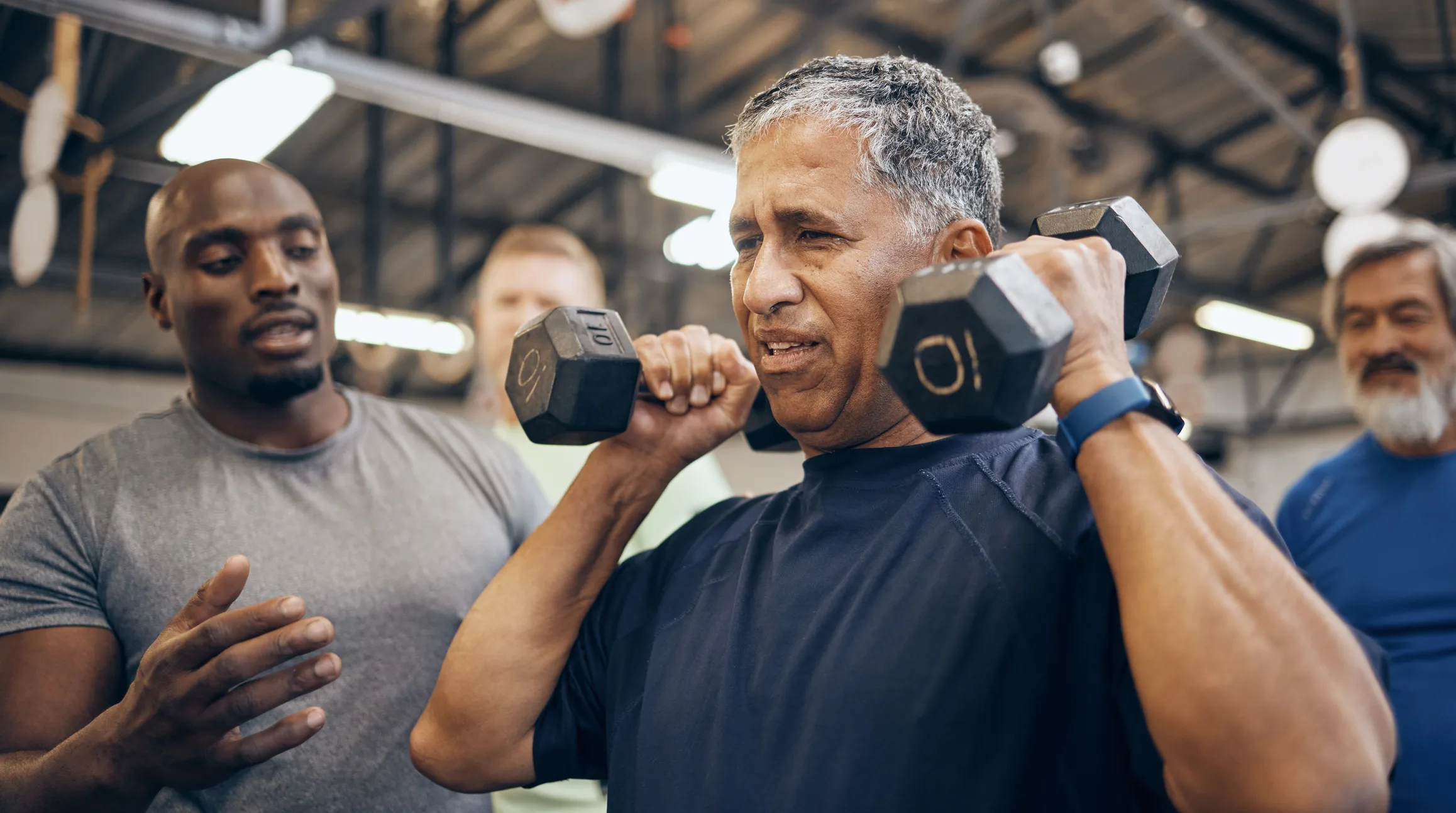
- Incorporate strength training into your routine
- Prioritize proper posture
- Stay active throughout the day
- Focus on functional movements
Source:
Age-related changes in gait, balance, and strength parameters: A cross-sectional study