We get it—as we get older, our bodies start to have a mind of their own. Things shift, and not just our political views. A recent massive study from the UK, which looked at over 21,000 people, just gave us a fascinating new look at a familiar foe: body fat. It turns out, where you store it is far more important than how much you have.
The researchers used fancy machine learning to calculate a “cardiovascular age-delta”—essentially, how old your heart and blood vessels really are, compared to your actual age. The bigger the “age-delta,” the faster your heart is aging. The results are a wake-up call, and a little bit of good news, too.
Where Are You Hiding Your Fat?
The study confirmed what many doctors have long suspected: not all fat is created equal. The most dangerous kind isn’t the kind you can pinch. It’s the “hidden” fat deep inside your body.
- The Belly of the Beast: Visceral fat—the kind that surrounds your organs—was found to be the strongest predictor of an older cardiovascular age for both men and women. This is the firm, deep belly fat that often gives us a “potbelly.”
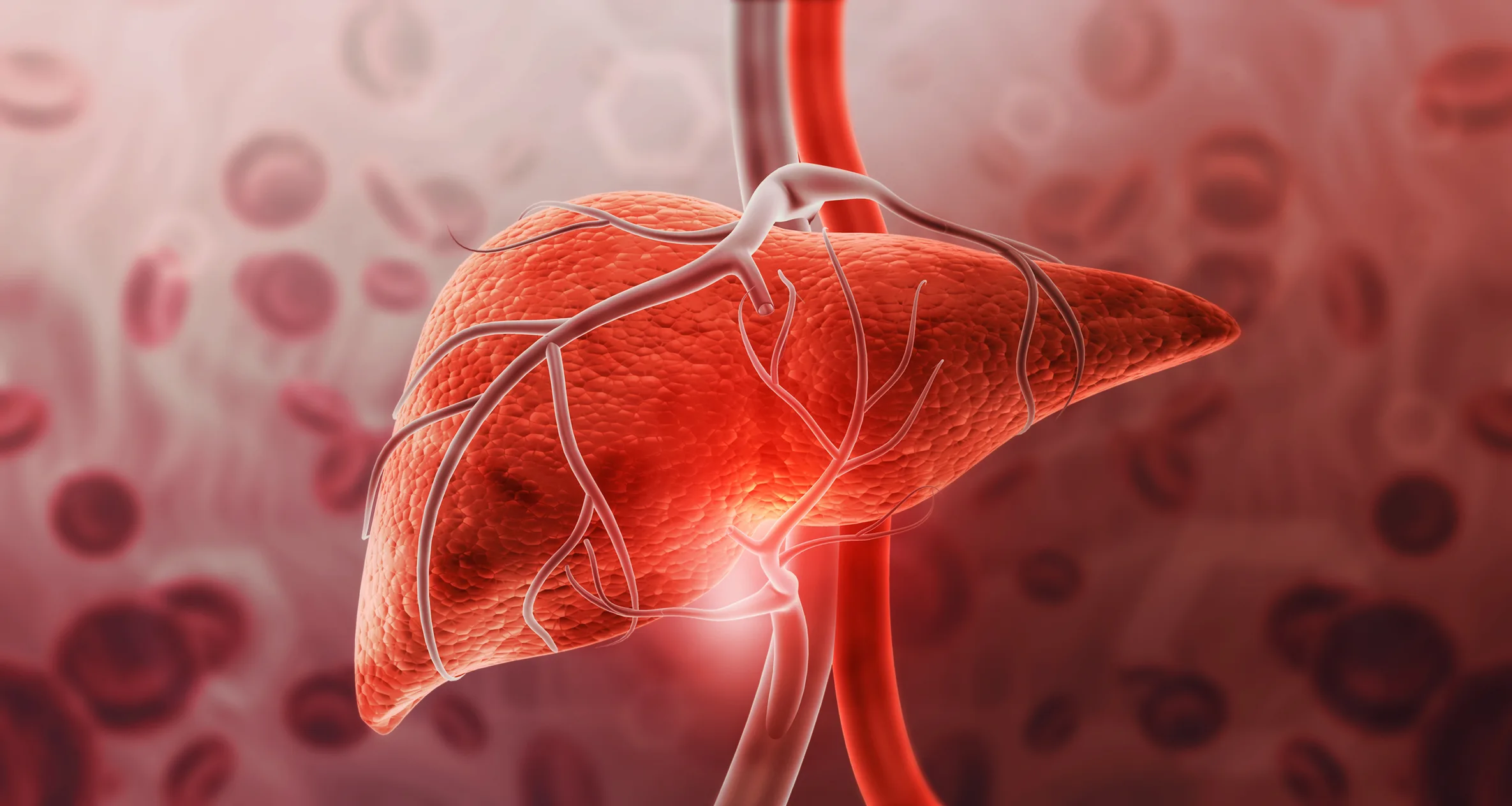
- A “Melted” Heart: The study also found that fat infiltration in your muscles and liver was a big factor in an aging heart. Think of it like marbling in a steak, but a lot less appetizing for your health.
If you’ve heard the phrase “skinny fat,” this is why. You can have a normal weight but still be at risk if you’re carrying a lot of this hidden visceral fat.
The Battle of the Sexes (and Our Body Fat)
Here’s where it gets interesting—and a little unfair, depending on your gender.
- Men: You drew the short straw here. Men who stored more fat in their abdomen (the “android” or apple-shaped fat) had a significantly increased risk of an older cardiovascular age. This type of fat tends to accumulate with age, and it’s a key reason men often have higher rates of heart disease.
- Women: You get a bit of a break! The study found that fat stored in the hips and thighs (the “gynoid” or pear-shaped fat) was actually associated with a decreased cardiovascular age. So, that stubborn fat you might dislike might actually be giving your heart a protective shield.
Of course, this isn’t a free pass. The visceral and liver fat risks still apply to everyone.
The Takeaway: It’s All in the Details
This study offers a powerful reminder that our bodies are a complex system. It’s not just about the number on the scale, but the location of every ounce of fat.
The good news? This is a modifiable risk. You can’t change your genes, but you can change your lifestyle. Losing weight, especially targeting that dangerous visceral fat through a healthy diet and exercise, can help you not just feel younger, but actually have a younger, healthier heart. So, let’s start working to make our “real” cardiovascular age match our spirit!
Source:
Sex-specific body fat distribution predicts cardiovascular ageing