It turns out that “keeping your chin up” is more than just a catchy phrase—it’s actually a matter of home security for your head. New research from Université Laval suggests that for those of us over 50, staying active and staying social isn’t just about “feeling good.” It is about maintaining the physical infrastructure of your brain.
The Brain’s Gated Community
Think of your brain as a high-end neighborhood protected by a very picky security team called the blood-brain barrier. This barrier’s job is to let the good stuff (nutrients) in while keeping the “unwanted guests” (inflammatory molecules) out.
- The Glue: A protein called claudin-5 acts like the mortar holding the bricks of your brain’s protective wall together.
- The Breach: Chronic social stress—the kind we deal with in a fast-paced or isolated world—weakens this glue.
- The Result: When the wall crumbles (a 50% reduction in claudin-5 in some cases), the “gates” fly open. This allows pro-inflammatory molecules to waltz into areas of the brain that regulate your mood.
The Power of the “Enriched” Lifestyle
The good news is that we aren’t just at the mercy of our stress levels. The study, published in Nature Communications, found that we can actually repair and protect this barrier through our daily habits. When the research subjects were active or lived in “enriched” environments, they produced more of a protective protein called Fgf2. This protein acts like a specialized repair crew, keeping the brain barrier intact even when life gets stressful.
How to Fortify Your “Mental Fortress”
The researchers confirmed that these findings aren’t just for the lab; they observed the same loss of claudin-5 in the brains of depressed men and women. Here is how you can address these findings to keep your own brain’s “mortar” strong:
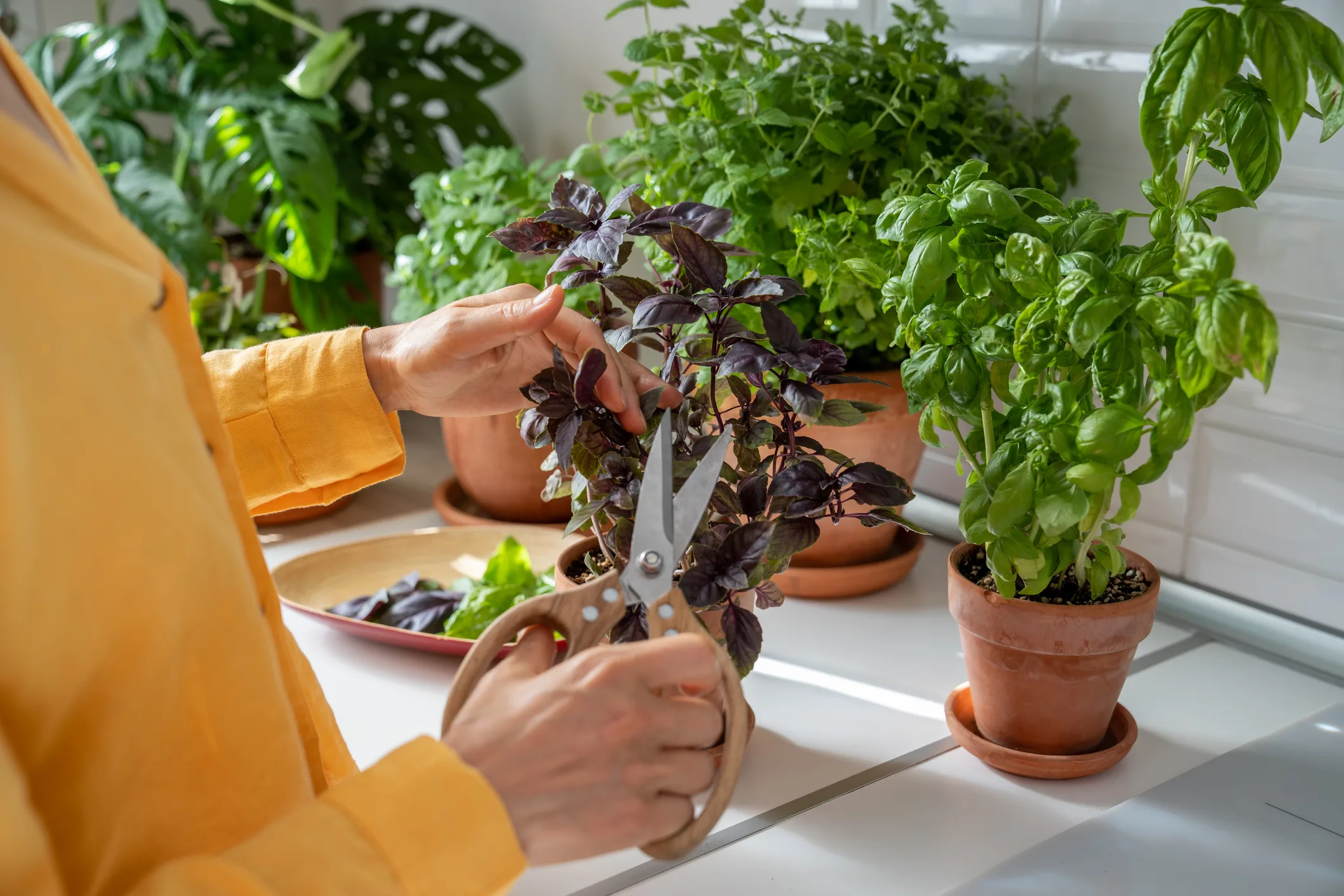
- Keep Your Wheels Turning: You don’t need to join a high-intensity bootcamp. The study showed that even simple, consistent movement—like an exercise wheel for the mice—prevented the loss of claudin-5. For us, a daily brisk walk, a swim, or even some gardening can act as a “security upgrade” for your brain.
- Upgrade Your “Nest”: “Environmental enrichment” means keeping life interesting. This includes things like having a comfortable home environment, engaging in hobbies, and learning new skills.
- Prioritize Social Ties: Chronic social stress is a primary culprit in breaking down the barrier. Fostering positive relationships and staying connected with your community is a biological necessity for brain health.
- Leverage Your “Favorable Conditions”: Interestingly, the study found that environmental factors like employment and educational attainment influence your Fgf2 levels. Continuing to read, volunteer, or work in some capacity can provide the “enrichment” your brain barrier craves.
- Watch for New Diagnostics: Researchers are looking at Fgf2 as a potential biomarker for depression. In the near future, a simple blood test might help your doctor diagnose mood disorders more accurately or see if a treatment is actually working.
The Takeaway
You aren’t just “managing your mood”—you are maintaining a physical barrier. By staying active and keeping your environment stimulating, you are literally gluing your brain’s defenses back together. It’s a great excuse to finally take that pottery class or join the local walking club—your claudin-5 will thank you.
Source: