Our motto has always been, “exercise is not a today thing, or a month, or even a year. It’s a lifelong endeavor”.
And the sooner your start, the better.
Exercise and Its Impact on Dementia and Alzheimer’s
Well, a recent study has shown that people who start exercising prior to age 50 and continue to age 70 tended to have a larger hippocampus, the part of the brain mainly responsible for memory. This area is often the first brain region affected in Alzheimer’s disease.
They concluded that people who exercise throughout their life are less likely to experience cognitive decline, even if they seem predisposed to Alzheimer’s, due to the build-up of the protein amyloid in their brain or brain shrinkage. In fact, those with brains signs that they are developing Alzheimer’s appear better able to maintain and buffer their cognitive function, in other words, extend the onset of Alzheimer’s, by exercising. This is particularly the true for women.
“Our findings show that staying active throughout your life, especially before turning 50, can help keep your brain healthy and delay early signs of Alzheimer’s. This is especially true for women.
We hope that our work will highlight the critical importance of exercising to support brain health for people of all ages.”
Dr. Sarah-Naomi James, Lead Author, UCL Dementia Research Centre and MRC Unit for Lifelong Health and Ageing at UCL
Participants in the study self-reported their exercise habits over 30 years, both before and after turning 50. When researchers examined their brain scans at 70, they found a clear trend: people who had exercised at least once a month before hitting 50 had a larger hippocampus and better memory function compared to those who were less active. Even those who had some markers of Alzheimer’s in their brains were able to maintain stronger cognitive abilities if they had been physically active throughout life.
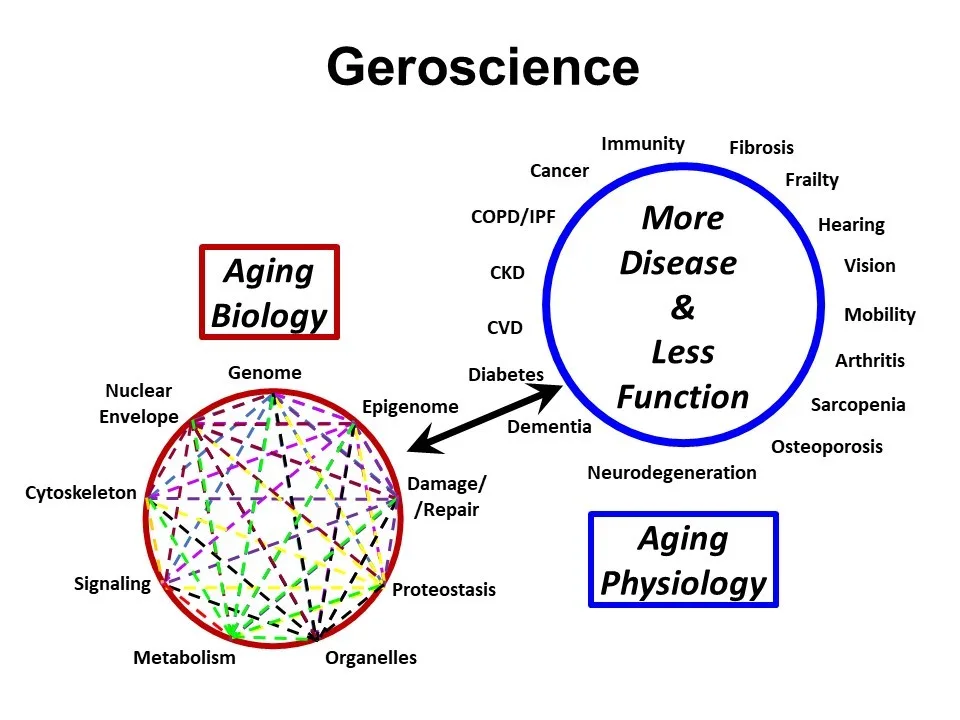
Researchers believe physical activity helps maintain cognitive function by supporting blood flow to the brain, reducing inflammation, and encouraging neural connections. While exercise didn’t completely stop the physical signs of Alzheimer’s, those who exercised regularly seemed to retain their mental sharpness longer than those who were less active.
Takeaway
Whether it’s a brisk walk, a bike ride, or a game of tennis, making exercise a lifelong habit may be one of the best things you can do for your minds. The sooner you start your journey to better physical health the better will be your mental health.
Source: