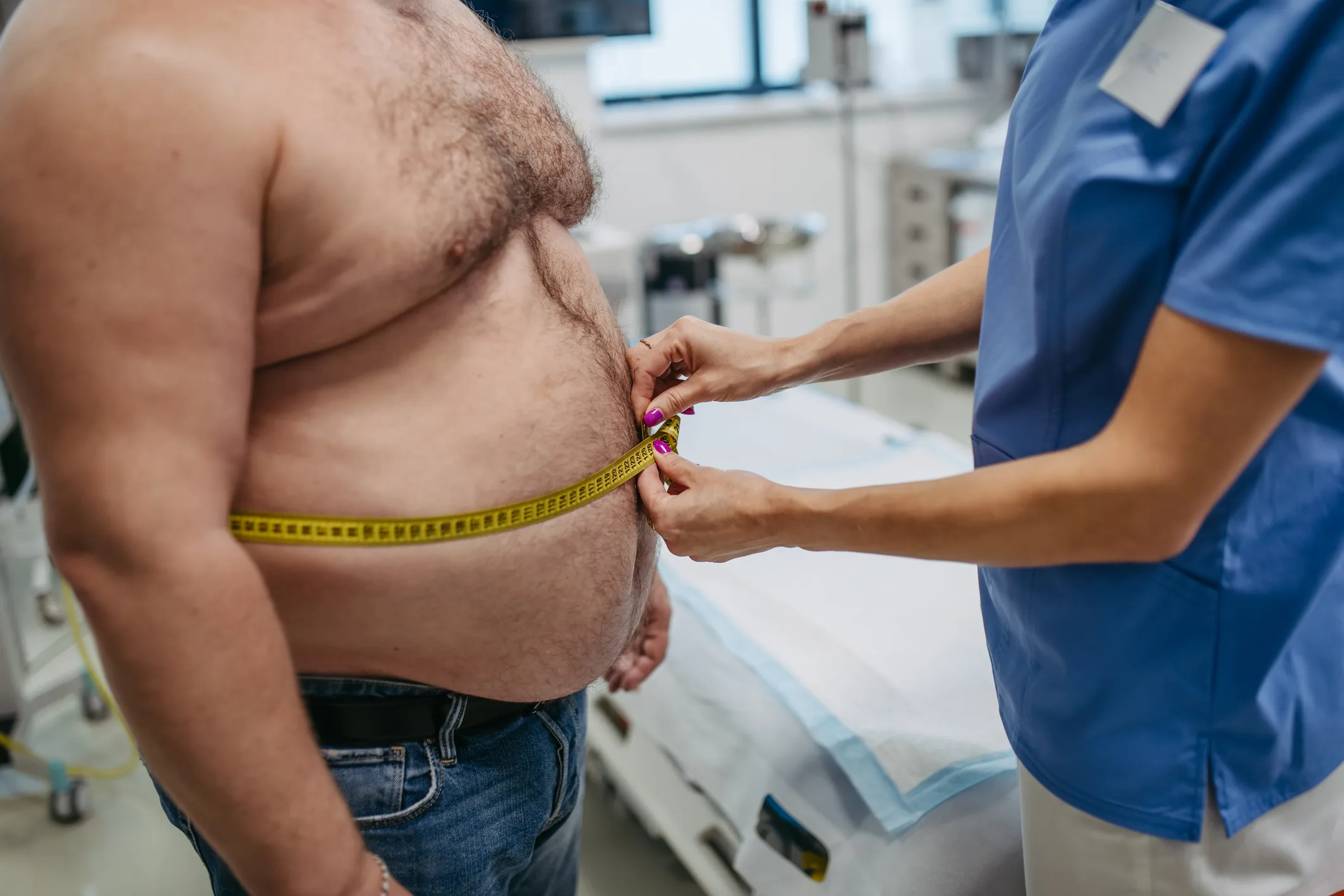
Welcome to the golden years. We’ve finally traded our stressful daily commutes for senior discounts, and our biggest afternoon thrill is successfully assembling a piece of flat-pack furniture without pulling a muscle we didn’t know we had. But as we navigate this seasoned chapter of life, there’s a frequent, uninvited guest that tends to crash our party: Type 2 diabetes. If you’re dealing with it, you might assume it’s a permanent roommate. However, recent scientific research suggests we might be able to show it the door—or at least keep it quietly locked in the basement—through a process called “remission.”
Defining Diabetes Remission
According to the World Health Organization (WHO), over 830 million people worldwide are living with diabetes, with more than 95% of those cases being Type 2. For decades, Type 2 diabetes has been viewed as a strictly progressive, lifelong condition. However, a consensus report by leading international organizations, including the American Diabetes Association and Diabetes UK, has established a clear, medical definition for “remission.”
Remission is officially defined as maintaining a healthy blood sugar level (an HbA1c of less than 6.5%) for at least three months after completely stopping all glucose-lowering medications.
The Dynamic Duo: Diet and Exercise
While recent medical news often focuses on diabetes remission in younger populations, the biological principles remain highly relevant for adults 60 and older. A significant body of medical research highlights that intensive lifestyle interventions can dramatically alter disease progression.
- Diet Drives Remission: Extensive research, such as the landmark U.K. DiRECT trial, demonstrated that structured, low-energy diets can effectively induce the weight loss required to put diabetes into remission.
- Exercise Preserves Muscle: Diet alone, however, has a drawback for older adults: it can lead to the loss of lean muscle mass. Researchers at the University of Alberta are currently studying how adding exercise to dietary interventions can combat this. As Professor Norm Boulé explains, “Maintaining and building muscles is crucial for storing glucose, and with the aging process leading to natural muscle reduction, an exercise regimen is essential.”
- The Combined Benefit: A recent trial published in The Lancet Regional Health – Americas highlighted that combining a low-energy diet with structured aerobic and resistance training drastically improves outcomes. This dual regimen aids in losing fat while preserving vital muscle mass—a critical health marker for older adults aiming to maintain independence and prevent frailty.
Getting Moving for Better Blood Sugar
Diabetes UK emphasizes that while exercise alone may not lower blood sugar enough to induce remission on its own, it is a vital tool for achieving and maintaining it alongside dietary changes.
- Insulin Efficiency: Physical activity helps your body use the insulin it produces much more effectively.
- Glucose Utilization: As your muscles move, they literally consume sugar (glucose) from the bloodstream for energy, naturally bringing your blood sugar levels down.
- Sustainable Maintenance: Regular movement helps sustain the weight loss necessary to keep diabetes in remission over the long term.
Finding the right exercise is deeply personal. As one patient, Paul, shared with Diabetes UK regarding his own successful remission journey: “I realised I needed to do some form of exercise but wasn’t keen on the gym, it just wasn’t for me so I took up running, not an activity I had done before. I went from feeling like I would die if I ran 50 yards, to running 3 miles without stopping. With the changes to my diet and incorporating exercise, my weight went down.”
Takeaway
So, before you decide that your daily “resistance training” consists solely of resisting the urge to take a second afternoon nap, it might be worth having a chat with your doctor. Managing—and potentially reversing—Type 2 diabetes doesn’t require training for an ultramarathon, unless that’s your thing, in which case, we applaud your knees. It is simply about finding a safe, sustainable balance of a healthy diet and regular movement. Let’s raise a glass of lightly flavored, calorie-free water to taking charge of our health, preserving our muscle, and keeping uninvited medical guests out of our golden years.
Source:
Consensus Report: Definition and Interpretation of Remission in Type 2 Diabetes
Exercise for type 2 diabetes remission