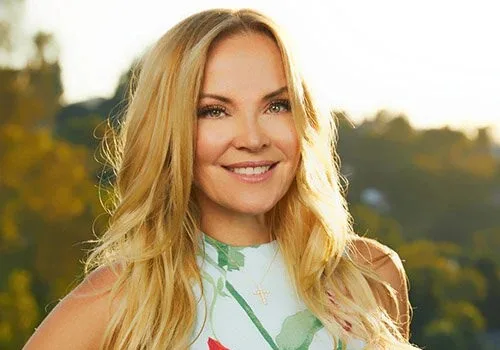
Once we hit the big five-zero, the world starts treating us like a collection of fragile porcelain dolls or, worse, like a vintage car that’s one pothole away from losing its bumper. We’re told to “take it easy,” as if our primary hobby should now involve testing the structural integrity of a recliner. But then there’s Diana Nyad. . At 64, she swam from Cuba to Florida—a feat that involves dodging box jellyfish and sharks, things most of us try to avoid even in our nightmares. Now 76, she’s still proving that “aging gracefully” doesn’t have to mean sitting still—unless you’re sitting in a pool, preparing to do another fifty laps.
The Biological Reality of Fitness After 60
Entering one’s seventh decade brings specific physiological shifts, but modern sports science increasingly views these as manageable variables rather than inevitable declines. For those over 60, the primary goal shifts toward maintaining “functional independence”—the ability to perform daily tasks with vigor and without pain.
Research into master athletes reveals that consistent training can significantly alter the aging trajectory. Key physiological focus areas include:
- Mitigating Sarcopenia: Muscle mass naturally declines with age, but resistance training can stimulate protein synthesis even in the 60s and 70s, maintaining the strength required for balance and mobility.
- Preserving Bone Density: For post-menopausal women and aging men, weight-bearing exercise is the most effective non-pharmacological way to prevent osteoporosis and subsequent fractures.
- Enhancing Mitochondrial Health: High-intensity interval training (HIIT), even in short bursts, can improve the efficiency of the “power plants” in our cells, which typically sluggishly decline as we age.
Lessons from the Nyad Routine
Diana Nyad’s approach to fitness in her 70s is a blend of high-intensity endurance and strategic recovery. She emphasizes that the goal is no longer just about world records, but about “full-out living.” Her routine offers a blueprint for those looking to maintain peak physical condition well into their later decades.
- Low-Impact Aerobics: Swimming remains a gold standard for older adults because it provides a full-body cardiovascular workout without the joint-jarring impact of running. Nyad’s workouts often last over an hour, incorporating warm-ups, drills, and “main sets” of variable intensity.
- Strategic Cross-Training: On days when she isn’t in the water, Nyad utilizes a nine-exercise circuit. This includes pull-ups, abdominal work, and cardio intervals. This variety ensures that the same muscle groups aren’t overtaxed, reducing the risk of overuse injuries.
- The Power of Walking: Alongside her partner Bonnie Stoll, Nyad founded “EverWalk,” advocating for walking as a “badass” form of exercise. For those not inclined to swim miles in open water, consistent, long-distance walking builds mental toughness and cardiovascular health. For the over-60 crowd, walking serves as a social and cognitive tool. Studies show that walking in nature or with a community reduces cortisol levels and stimulates “fluid intelligence,” keeping the brain as agile as the body.
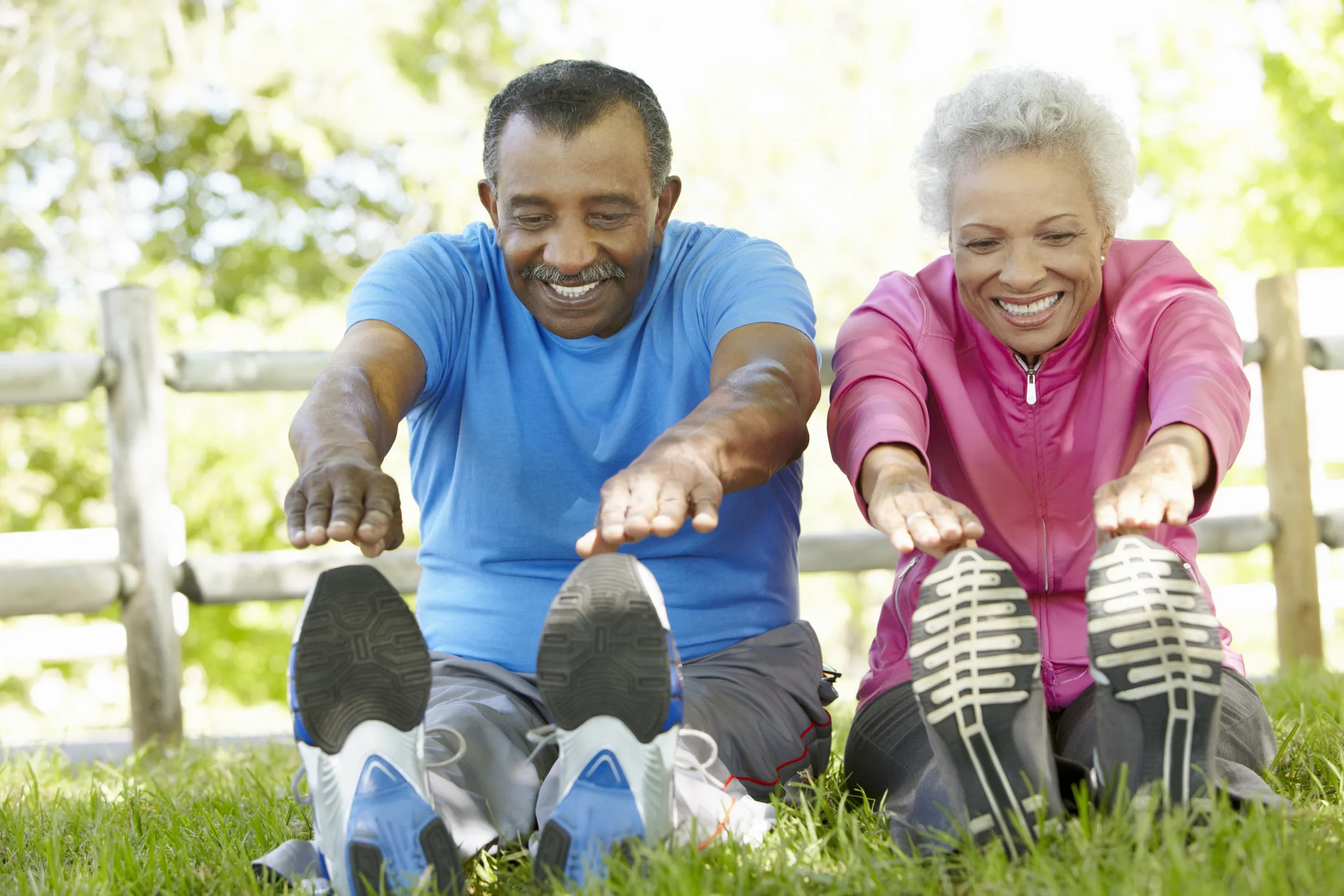
- Flexibility and Recovery: Nyad emphasizes that she is “less interested in the accolades and more in the engagement.” This means listening to the body’s recovery needs, utilizing yoga and stretching to maintain the flexibility that often disappears after a decade of sitting.
Professional Maintenance and Nutrition
To sustain high activity levels after 60, the “fuel” and “maintenance” protocols must be more precise than they were in our 30s.
- Protein Synthesis: To combat muscle loss, adults over 60 should prioritize high-quality protein (roughly 1.2 to 1.5 grams per kilogram of body weight) to ensure the body has the building blocks for repair.
- Hydration Management: The sensation of thirst diminishes with age. Older athletes must adhere to a strict hydration schedule to maintain blood volume and joint lubrication.
- Proactive Diagnostics: Viewing health screenings as “performance reviews” is essential. Regular checks on cardiovascular health, inflammation markers, and joint integrity allow for adjustments in training intensity before injuries occur.
Takeaway
In short, being 60-plus doesn’t mean you’re “over the hill”; it just means you have a better view from the top. We may not all be planning a 50-hour trek through the Florida Straits—mostly because we’ve realized that hotels have much nicer amenities than the middle of the ocean—but we can certainly aim for a life lived “full-out.” So, lace up those shoes, ignore the groan your knees make when you stand up (they’re just cheering you on), and remember: if Diana Nyad can survive a swarm of jellyfish at 64, you can definitely survive a brisk walk to the coffee shop. Keep moving, stay hydrated, and try not to let the calendar tell you what your “one wild and precious life” is allowed to look like.
Source:
She set a world record in her 60s — and says she’s stronger than ever at 76