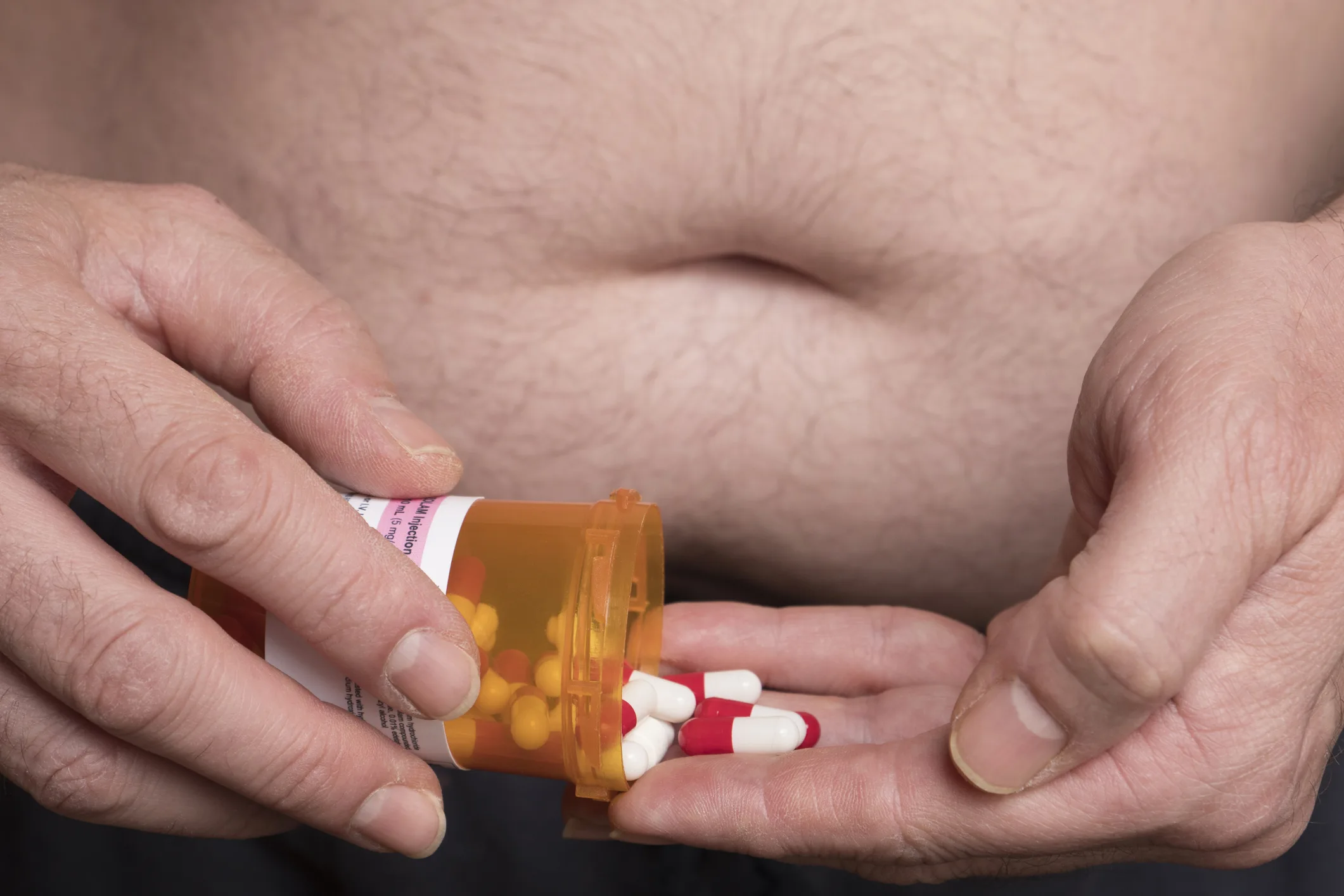
If you have spent any time scrolling through health forums recently, you may have noticed promises of eternal youth delivered not in a magical fountain, but in a tiny glass vial ordered from a website that also happens to sell wholesale laboratory gear. The allure of turning back the clock with a quick home injection sounds remarkably convenient—right up until you realize that mixing raw chemical powders at your kitchen table is roughly as predictable as assembling flat-pack furniture without the instructions. While “DIY” peptide therapy is trending across social media, taking medical matters into your own hands carries severe, documented risks that far outweigh any promised benefits.
What Are Peptides, and Why Is Everyone Talking About Them?
Peptides are short chains of amino acids that function as biological messengers in the body, signaling cells to perform specific tasks. While well-studied, FDA-approved peptide therapies—such as insulin for diabetes and GLP-1 receptor agonists (like Ozempic and Wegovy) for metabolic health—have revolutionized modern medicine, an unregulated “grey market” has exploded online.
Promoted under scientific-sounding names like BPC-157, TB-500, CJC-1295, and Ipamorelin, unapproved synthetic peptides are often aggressively marketed for:
- Joint and tissue repair
- Muscle preservation and weight loss
- Anti-aging and skin rejuvenation
- Enhanced energy and cognitive focus
However, medical experts emphasize that unlike regulated pharmaceuticals, most internet-marketed peptides lack human clinical trials proving their safety or efficacy. As medical researchers frequently point out regarding unregulated formulations:
“Without third-party testing and regulatory oversight, purity, sterility, and dosing accuracy cannot be reliably confirmed. You are essentially guessing what you are injecting.”
The Hidden Dangers of Grey-Market “Research Chemicals”
Many online vendors sell peptide powders explicitly stamped with a disclaimer: “For Research Use Only – Not for Human Consumption.” This legal workaround allows distributors to bypass strict safety oversight, leaving buyers to act as their own human lab subjects.
Key medical and regulatory concerns include:
- Lack of Quality Control and Purity: Unregulated compounding and overseas manufacturing often result in vials contaminated with heavy metals, bacterial endotoxins, residual chemical solvents, or glass microparticles.
- Mislabeled Potency: Independent laboratory testing frequently reveals that grey-market vials contain either far higher or lower concentrations than stated on the label—or entirely different substances altogether.
- Regulatory Warnings: Both the U.S. Food and Drug Administration (FDA)—which placed several popular peptides on its Category 2 “unsafe compounding” list—and international regulatory agencies have issued public alerts regarding hospitalization risks. As health authorities caution:
“Unapproved peptides sourced outside regulated medical channels pose acute risks of severe allergic reactions, tissue infection, and systemic toxicity.”
High Risk of Self-Administration and Math Errors
Administering DIY injectable peptides requires reconstituted liquid mixing, precise volumetric measurements, and sterile subcutaneous technique. Medical publications highlight several critical points where self-administration fails:
- Dosing Calculations: Most DIY peptides arrive as dry, freeze-dried (lyophilized) powder. Users must calculate precise ratios of bacteriostatic water to achieve proper concentration. As clinical guides on home administration emphasize:
“Dosing errors in peptide injection most commonly stem from confusing milliliters with units on a syringe. A single mathematical miscalculation can result in a tenfold overdose.”
- Infection and Contamination Risks: Reusing needles, improper skin sanitation, or using non-sterile water can introduce dangerous bacterial infections directly into subcutaneous tissue or the bloodstream.
- Unknown Side Effects and Toxicity: Without standard dosage guidelines established by clinical trials, high or cumulative doses can lead to organ toxicity affecting the liver and kidneys, fluid retention, severe blood sugar fluctuations, and altered immune responses.
Unique Vulnerabilities for Adults Aged 60 and Older
For adults over 60, the hazards of unapproved DIY peptide injections are significantly magnified due to key physiological factors:
- Polypharmacy and Drug Interactions: Older adults are more likely to take prescribed medications for blood pressure, cholesterol, heart health, or blood sugar. Unregulated peptides can unpredictably interact with these drugs, altering their efficacy or causing dangerous spikes and drops in vital signs.
- Pre-Existing Chronic Conditions: Underlying cardiovascular, renal, or hepatic conditions make it harder for the body to process unknown chemical impurities or accidental overdoses.
- Stimulation of Cellular Growth: Certain growth hormone-releasing peptides (GHRHs) trigger rapid cell proliferation. In older tissues, where benign or undiagnosed precancerous cells may exist, uncontrolled growth signaling poses an unquantified risk. As oncological and endocrinological literature notes:
“Peptides that stimulate growth hormone pathways must be approached with extreme caution in older demographics, as unmonitored cellular growth acceleration carries serious, unassessed risks.”
Takeaway
While the dream of skipping the doctor’s office to brew your own fountain of youth at the kitchen counter is certainly tempting, medical consensus remains clear: your health is far too valuable for amateur biochemistry. If you are interested in exploring legitimate, evidence-based treatments for longevity, muscle retention, or joint health, schedule a conversation with a licensed physician. After all, if you wanted to experiment with unpredictable chemical reactions, you could always just try baking bread from scratch—it’s much safer, and the worst-case scenario is merely a dense loaf of sourdough, rather than a trip to the emergency room.
Source:
DIY peptide injections are risky, and people may make serious mistakes when administering them