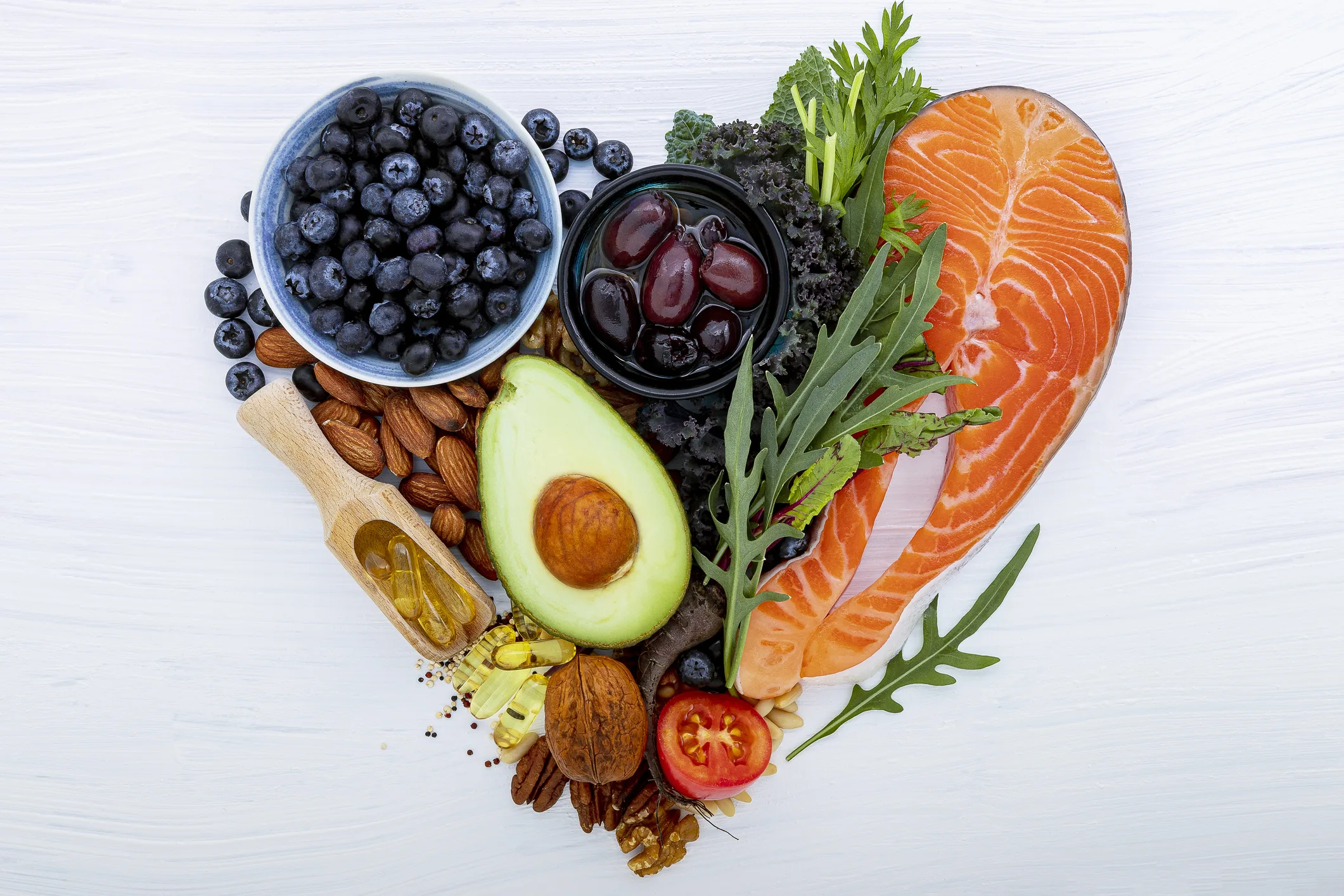
If you have paid any attention to social media lately, you might have noticed younger generations boasting about their latest “trend”: dining at 5:00 p.m. While TikTok creators are currently celebrating the “early bird dinner” like they just discovered sliced bread, those of us over 60 know the truth—we weren’t out of touch, we were just decades ahead of the curve. It turns out that sitting down for dinner before the streetlights come on isn’t just convenient for skipping the evening rush; it is supported by a growing body of medical science.
The Physiological Benefits of Earlier Dining
Aligning your meal times with your body’s natural biological clock offers several distinct health advantages, particularly regarding metabolic function, digestive health, cognitive clarity, and sleep quality.
- Weight Management and Fat Loss: Time-restricted eating—confining daily meals to a specific window—helps regulate metabolic processes. A clinical trial evaluating an 8-hour eating window (from 9:30 a.m. to 5:15 p.m.) found that participants kept off 5 to 6 pounds and achieved a significant reduction in total fat mass compared to those consuming meals over a 12-hour span.
- Relief from Acid Reflux: Lying down with a full stomach allows gastric acid to travel upward into the esophagus. Medical experts recommend leaving 3 to 5 hours between your last meal and bedtime. Eating earlier gives the stomach ample time to empty, drastically cutting down on nighttime heartburn and gastroesophageal discomfort.
- Improved Sleep Architecture: Digestion requires significant metabolic energy, raising core body temperature and triggering digestive enzymes. Sleep specialists point out that eating 4 to 5 hours before going to bed minimizes digestive activity during sleep, allowing core body temperature to drop naturally and encouraging deeper, more restorative rest.
- Support for Cognitive Health: Emerging research highlights a compelling link between restricted eating hours and brain function. A study conducted at Rutgers University revealed that older adults who refrained from eating for four hours before bed performed better on problem-solving, spatial planning, and memory tests than those who ate late into the evening. Avoiding large late-night meals appears to support better blood sugar control, lower systemic inflammation, and protect long-term vascular health.
- Cardiovascular and Blood Sugar Protection: Delaying dinner past 9:00 p.m. has been associated with higher blood glucose spikes and a 28% higher risk of cerebrovascular issues compared to eating before 8:00 p.m. Finishing dinner earlier allows insulin levels to stabilize overnight, supporting both heart and brain health.
Clinical Considerations for Adults 60 and Older
While early dining offers broad health perks, making a sudden shift in your meal schedule isn’t a one-size-fits-all proposition.
- Medication Timing: Adults managing chronic conditions must exercise caution. Internal medicine specialist Dr. Nishtha Modi emphasizes that individuals taking insulin or oral medications for type 2 diabetes should consult their physician before shifting meal routines, as altering dinner times can trigger dangerous drops in blood sugar (hypoglycemia).
- Maintaining Muscle Mass: As we age, preventing sarcopenia (age-related muscle loss) is essential. Closing your eating window too early might lead to missing daily protein requirements. Ensure your early dinner includes adequate high-quality protein and essential nutrients to support bone and muscle strength.
- Focusing on the Big Picture: A rigid schedule shouldn’t override fundamental lifestyle habits. As Dr. Modi advises, never lose sight of the basics: prioritize nutrient-dense real foods, keep moving your body in ways you enjoy, avoid overeating, and cherish time with people who bring joy to your life.
Takeway
So, the next time someone comments on your 5:00 p.m. dinner reservation, feel free to let them know you aren’t just beating the crowd—you are actively optimizing your circadian biology, protecting your heart, and sharpening your cognitive acuity. And if it happens to save you a few dollars on an early bird special, well, consider that a scientifically approved perk.
Source:
Can TikTok’s ‘Early Bird Dinner’ Help You Sleep Better?
The science behind social media’s ‘Early Bird Dinner’ trend – ABC News