As we hit our 50s and beyond, our relationship with exercise tends to change. Gone are the days of sprinting for a bus just because we can; now, a “brisk walk” is often defined as any trip to the kitchen that doesn’t involve stopping to wonder why we went there in the first place. We’ve spent decades treating our bodies like reliable old sedans—maybe the alignment is a bit off and the “check engine” light has been on since 2019, but we keep rolling. However, when a serious health curveball like cancer enters the picture, the natural instinct is to park the car in the garage and rest. Surprisingly, new research suggests that keeping the engine running—even at a low idle—might be the best way to navigate the road to recovery.
The Power of “Pre-habilitation” and Active Recovery
For a long time, the standard medical advice for those undergoing intensive treatments like chemotherapy was “rest and save your energy.” However, recent clinical data from major longitudinal studies has flipped this script. Emerging evidence shows that structured physical activity is not just safe during cancer treatment; it is a clinical necessity for maintaining a high quality of life.
Recent findings highlight several critical benefits for patients who maintain an active lifestyle during treatment:
- Reduction in Treatment-Related Fatigue: Contrary to intuition, resting more can actually worsen the profound exhaustion caused by chemotherapy. Regular, moderate movement helps regulate energy levels and reduces the “brain fog” often associated with treatment.
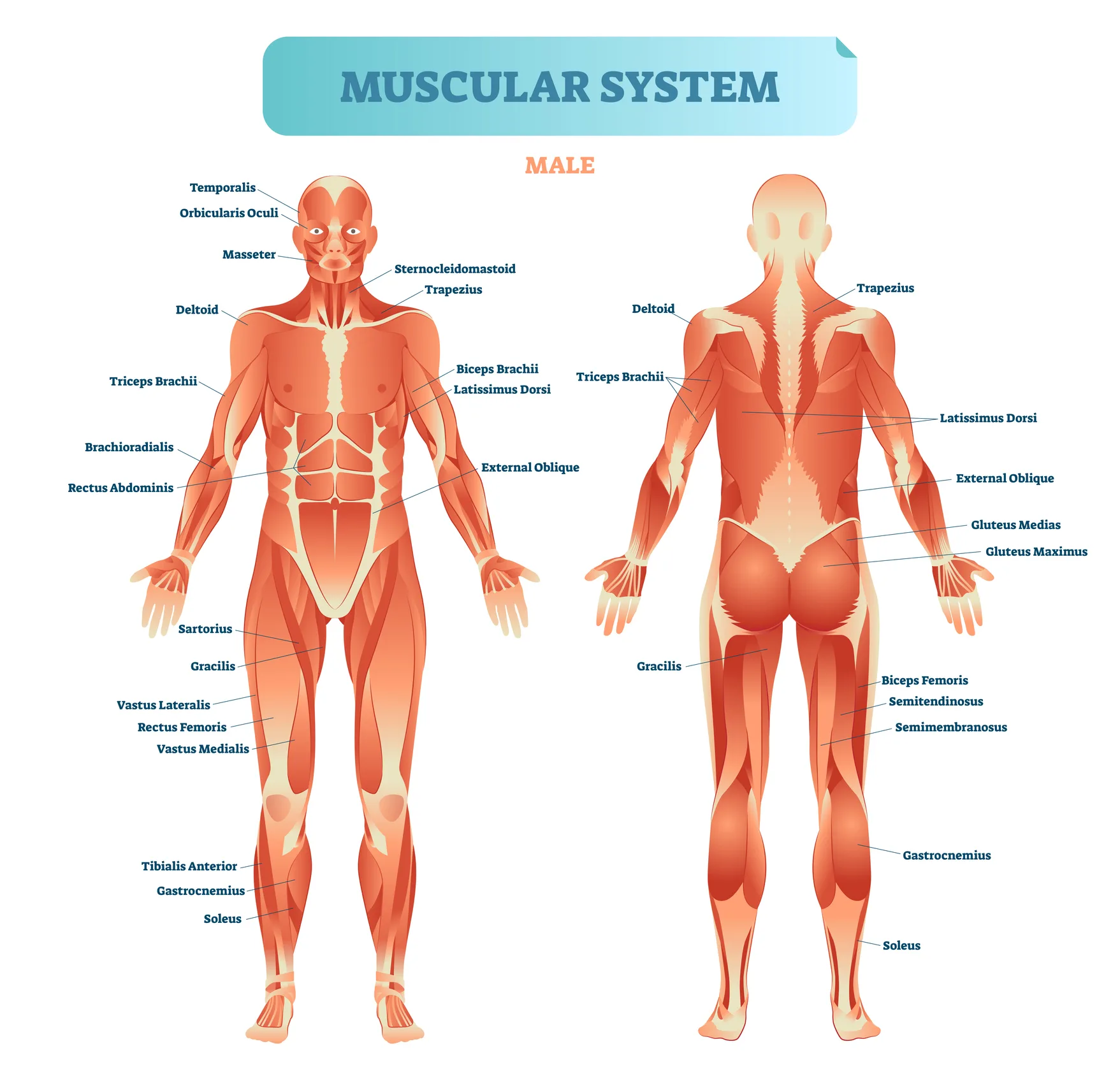
- Preservation of Muscle Mass: Sarcopenia, or age-related muscle loss, often accelerates during illness. Strength-based exercises help maintain the structural integrity of the body, making daily tasks easier to manage.
- Cardiovascular Protection: Many life-saving cancer drugs can be “cardiotoxic,” meaning they put stress on the heart. Aerobic exercise acts as a shield, improving heart rate variability and overall circulatory health.
Enhancing Quality of Life for Breast Cancer Patients
A landmark study recently focused on breast cancer patients undergoing chemotherapy, a group that often faces significant physical and emotional tolls. The researchers found that those who participated in supervised exercise programs experienced a “statistically significant” improvement in their overall quality of life compared to those who received standard care alone.
The study noted specific improvements in:
- Physical Functioning: Patients reported a better ability to perform activities of daily living, such as grocery shopping or light housework, without debilitating pain.
- Emotional Well-being: Physical activity was linked to lower rates of clinical depression and anxiety during the treatment cycle.
- Social Re-integration: Group-based exercise provided a sense of community, reducing the isolation that often accompanies a cancer diagnosis.
Addressing Frailty in an Aging Population
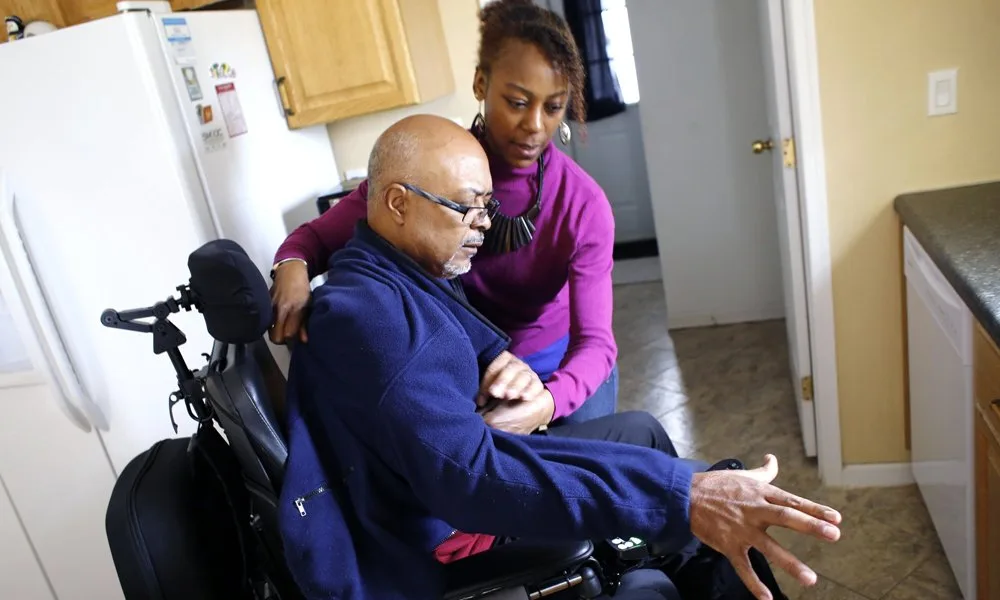
For adults over 50, the intersection of cancer and aging introduces the challenge of frailty. Research published in The Lancet Healthy Longevity emphasizes that cancer treatments can sometimes “biologically age” a patient by several years in a very short span.
- The Frailty Cycle: Without movement, the body enters a cycle of deconditioning that makes subsequent rounds of treatment harder to tolerate.
- Mitigating “Chemobrain”: Cognitive decline is a significant fear for older adults. Exercise increases blood flow to the hippocampus, potentially stalling the cognitive side effects of intensive medication.
- Bone Density: For post-menopausal women and men over 60, weight-bearing exercise is crucial to prevent the bone-thinning effects of certain hormonal therapies.
Finding Your “New Normal” Pace
Ultimately, this isn’t about training for a marathon while you’re fighting for your health; it’s about acknowledging that your body is a high-performance machine that needs to move to stay efficient. Think of exercise as a supplemental “prescription” that doesn’t come in a pill bottle but provides just as much benefit. Whether it’s a dedicated yoga session or just pacing around the living room during the commercial breaks of your favorite game show, every bit of movement counts. After all, at our age, we’ve learned that the best way to get through a storm isn’t to hide from the rain, but to keep walking until we find the sun. Besides, staying active gives us a great excuse to buy those expensive walking shoes we’ve been eyeing—and at this point, we’ve definitely earned the right to look sporty while we’re just heading to the mailbox.
Source: