For many of us, the scale has become a stubborn, unmoving companion. Just when you think you’ve made progress, it holds its ground. That’s why medications known as GLP-1s (like Ozempic and Wegovy) have become so popular. They’re a powerful tool, and according to a joint advisory from several leading medical societies, they can be even more effective with a smart strategy.
Think of it this way: your GLP-1 medication is the star player on the team, but without a good coach, it might not win the game. The “coach” here is a well-planned nutrition and lifestyle routine. As you lose weight, you might also lose muscle and bone, which is the last thing any of us want to deal with. This is where your new game plan comes in.
Mind the Pitfalls: What to Watch Out For
While GLP-1s are highly effective, they come with a few challenges that are important to be aware of:
- Tummy Troubles: Gastrointestinal side effects like nausea, diarrhea, and constipation are common, especially when you first start the medication or increase the dose.
- The Disappearing Act: As your appetite shrinks, you might not get enough essential vitamins and minerals. This is particularly true if your daily calorie intake drops below 1,200 calories. Look out for signs like excessive hair loss, fatigue, or muscle weakness.
- Muscles and Bones on the Move: A significant portion of the weight you lose on these medications can be lean body mass, which includes muscle and bone. For adults over 50, who are already at risk for conditions like sarcopenia and osteoporosis, this is a serious concern.
- The Cost-Benefit Analysis: GLP-1s can be quite expensive, and most people stop taking them within a year or two, often due to cost or side effects. Unfortunately, when the medication stops, a good portion of the weight often comes back.
Your Winning Strategy: Lifestyle is Key
The good news is that these challenges can be managed with a structured lifestyle program. The goal is to maximize the benefits of the medication while protecting your health.
Here’s your playbook for success:
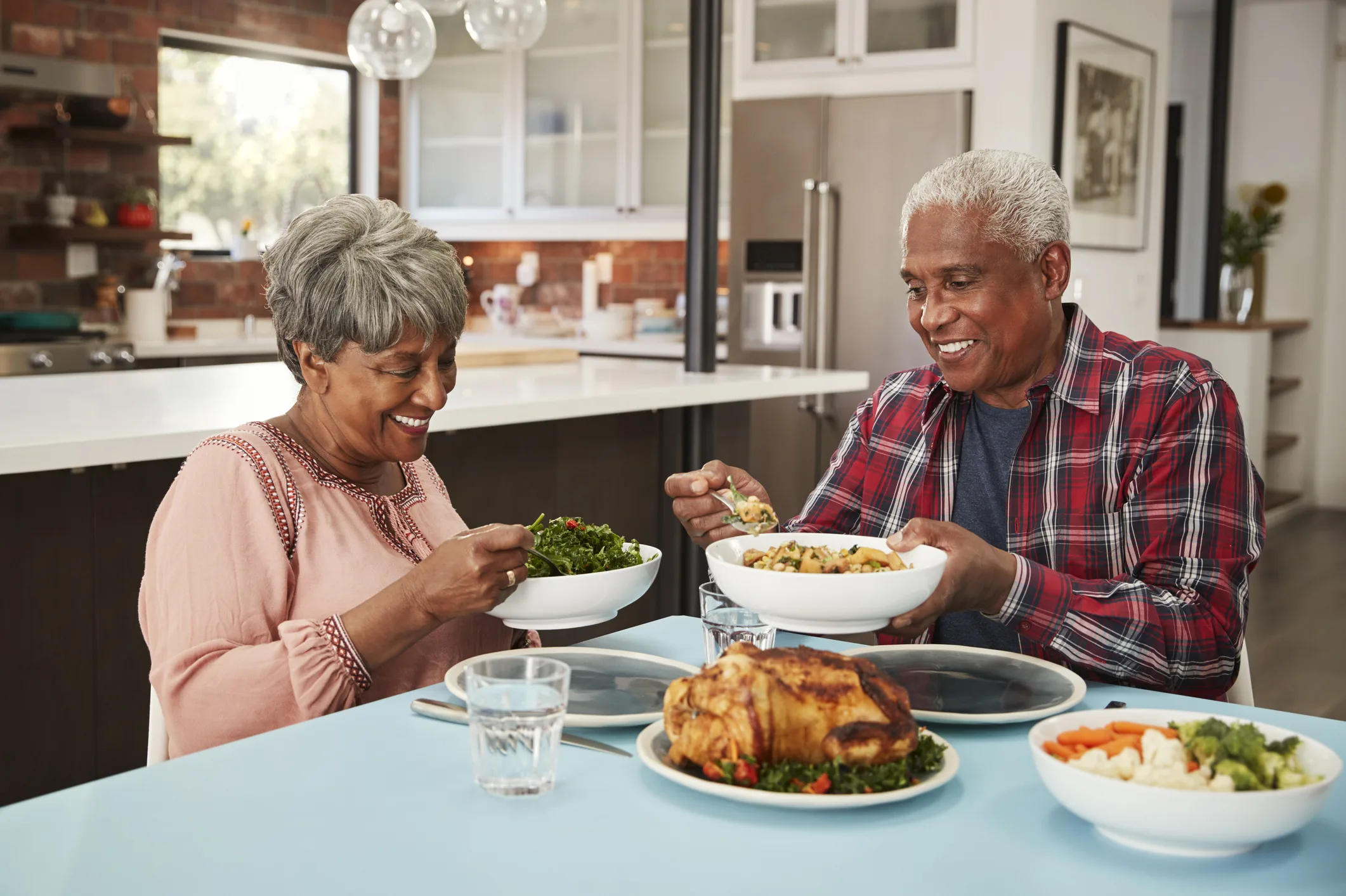
- Eat Smart, Not Less: Focus on nutrient-dense, minimally processed foods. Think of colorful fruits and vegetables, lean proteins, whole grains, nuts, and seeds. These foods give you the most nutritional bang for your buck. Small, frequent meals can also be a great strategy, especially when your appetite is low.
- Protect Your Muscles: To fight off muscle loss, resistance training is a must. This can be as simple as using hand weights, resistance bands, or even your own body weight. Consider working with a personal trainer to create a program tailored for you.
- Don’t Forget Your Bones: Rapid weight loss can affect bone density, particularly for older adults. Combining a healthy diet with strength training is a powerful one-two punch to help keep your bones strong.
- Address the Root Causes: Remember that lifestyle habits learned over a lifetime, along with a lack of physical activity, are the primary drivers of obesity trends. A successful strategy involves addressing these foundational issues with a comprehensive plan.
A simple shot isn’t a silver bullet. By pairing your medication with a smart, proactive approach to nutrition and exercise, you can make sure your GLP-1 journey is a safe, successful, and sustainable one.
Source: