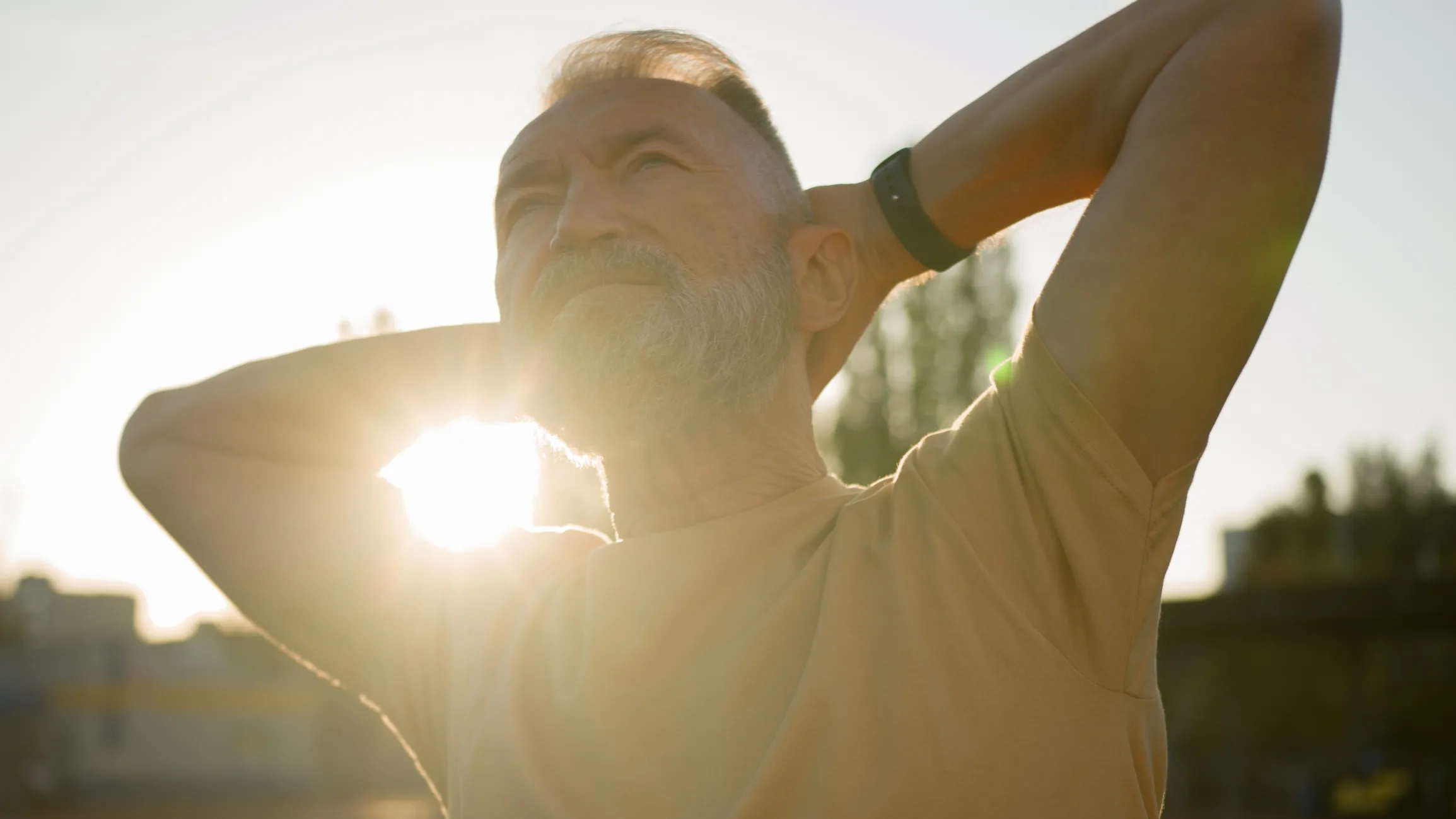
There comes a point in every adult’s life when they realize the candles on their birthday cake are starting to pose a legitimate structural risk to the drywall. If you are over the age of 60, you have likely noticed that your body has begun playing a few unscripted practical jokes on you. Perhaps you’re suddenly shorter than you remember, or your reflection features hair in places it has absolutely no business being. While we often chalk these events up to a general, cosmic betrayal, there is real science driving these changes.
According to longevity experts like Professor Leigh Breen from the Leicester Diabetes Centre, aging is divided into primary aging (the unpreventable, cellular slowdown of youth) and secondary aging. The good news? Secondary aging is heavily driven by external, lifestyle factors. This means that while we cannot fully halt the clock, we can absolutely alter its speed.
Below is a serious, medically backed guide to managing the six most frustrating bodily shifts that occur after 60, alongside professional advice to help you maintain your health, mobility, and independence.
1. The Disappearing Act: Height Loss and Spinal Integrity
It is a documented physiological fact that humans shrink as they age, beginning gradually around age 40. Data from the Baltimore Longitudinal Study of Aging indicates that by age 70, men lose an average of one inch of height, while women lose closer to two inches. This shrinkage is caused by the dehydration and compression of the cartilage discs between the vertebrae, alongside a loss of bone mineral density.
Furthermore, age-related weakness in the abdominal and deep spinal stabilizer muscles makes it difficult to maintain an upright posture. When height loss is sudden or accompanied by a stooped posture (kyphosis), it can indicate osteoporosis—a condition accelerated in postmenopausal women due to the sharp decline in estrogen, which regulates bone metabolism.
- Clinical Screening: Request a DEXA scan from your physician to measure bone mineral density. You can also ask for a Trabecular Bone Score (TBS) to evaluate the structural microarchitecture of your bone tissue.
- Targeted Resistance Training: Engage in weight-bearing exercises (such as walking) and progressive resistance training twice a week to mechanically stimulate bone remodeling and strengthen core stabilizers.
- Nutritional Support: Ensure a daily intake of 1,000–1,200 mg of calcium. Excellent dietary sources include dairy, canned salmon (with bones), leafy greens, and tofu. Pair this with 800 IU of Vitamin D3 daily to optimize calcium absorption, utilizing sunlight, fatty fish, or high-quality supplements.
2. Hormonal Reallocation: Thinning Scalps and Stray Hairs
As the body matures, the hormonal environment changes, causing hair follicles to react in highly localized ways. In women, the postmenopausal drop in estrogen—a hormone that prolongs the hair’s growth phase—leaves circulating androgens like testosterone relatively unchecked. This shift causes scalp hair to thin while triggering the growth of coarse, terminal hairs on the chin and upper lip.
In men, overall testosterone levels decline, but the local conversion to dihydrotestosterone (DHT) increases. DHT miniaturizes follicles on the scalp (leading to male pattern baldness) while simultaneously stimulating hair growth inside the ears, nose, and brows.
- Topical Therapies: For female pattern hair loss, topical Minoxidil is the most clinically proven over-the-counter option. However, it must be used continuously to maintain results.
- Prescription Interventions: For persistent facial hair in women, topical Eflornithine cream can slow hair growth, especially when paired with dermatological laser treatments.
- Hormonal Mapping for Men: Men experiencing advanced loss can consult a specialist for comprehensive hormone testing. Clinicians may recommend DHT-blockers like Finasteride, or natural supplements like Saw Palmetto, alongside customized prescription hair tonics.
3. Dental Migration: Shifting, Drifting, and Crowding
Teeth are not permanently fused into the jawbone; rather, they are suspended by the periodontal ligament within a dynamic socket. Over decades of mastication (chewing), the biting surfaces naturally wear down, altering how teeth meet. Concurrently, the jawbone experiences a gradual loss of density, much like the rest of the skeleton.
If a single tooth is lost or structurally compromised, adjacent teeth will naturally drift into the vacant space. This migration can result in crowding of the lower front teeth, gaps in the upper arch, and specialized pockets where food consistently becomes trapped. This is highly problematic because aging nerves are less sensitive, meaning you may not feel trapped debris that accelerates periodontal inflammation.
- Proactive Dental Evaluations: Schedule regular cleanings and checkups. Alert your dentist immediately if you experience jaw discomfort, newly forming gaps, or tooth mobility.
- Non-Invasive Realignment: Modern clear aligners, retainers, and composite bonding are highly effective for older adults, successfully restoring proper alignment and masticatory function without the need for traditional metal braces.
- Occlusal Guards: If you exhibit signs of nocturnal bruxism (teeth grinding), a custom-fitted night guard is essential to shield the enamel from excessive forces and prevent accelerated drifting.
4. Sarcopenia: The Loss of Skeletal Muscle Mass
Sarcopenia is the age-related involuntary loss of skeletal muscle mass and strength. After age 40, individuals typically lose roughly 1% to 2% of their muscle mass annually. This decline impacts functional mobility, balance, and metabolic health.
Data from the University of Bath’s Centre for Nutrition and Exercise Metabolism reveals that less than 15% of older adults meet the recommended guidelines of two strength sessions per week, despite strength training being the primary indicator of long-term functional independence.
- Compound Movements: Focus on multi-joint exercises that engage the hips, knees, and ankles simultaneously. The “sit-to-stand” maneuver from a sturdy chair is an excellent, low-risk alternative to the traditional squat.
- Upper-Body Range of Motion: Incorporate movements that require overhead reaching, pushing forward, and pulling back to preserve shoulder flexibility and upper-body strength.
- Respiratory Exercise: For individuals with acute mobility restrictions, structured deep-breathing exercises that maximally expand the rib cage can help maintain intercostal muscle function and respiratory capacity.
5. Nocturia and Bladder Capacity
As we age, total bladder capacity can shrink by nearly half compared to our younger years. Additionally, the circadian rhythm of vasopressin—the antidiuretic hormone responsible for signaling the kidneys to produce less urine during sleep—frequently becomes disrupted.
Compounding this issue is the fact that sleep architecture changes past age 60; deep sleep decreases, making older adults much more prone to micro-awakenings. Once awake, you become acutely aware of the stretch receptors in your bladder, resulting in nocturia (waking up multiple times at night to urinate). This affects roughly 50% of adults in their 60s and up to 80% of those in their late 70s.
- Fluid Mitigation: Avoid consuming any liquids for at least two consecutive hours before your intended bedtime. Minimizer or eliminate evening intake of caffeine and alcohol, both of which act as bladder irritants and diuretics.
- Pharmacological Options: If lifestyle changes fail to provide relief, discuss your symptoms with a physician. In specific clinical scenarios, synthetic hormone replacements like Desmopressin may be prescribed to safely regulate nighttime urine volume.
6. Blunted Osmoreceptors: The Hidden Danger of Decreased Thirst
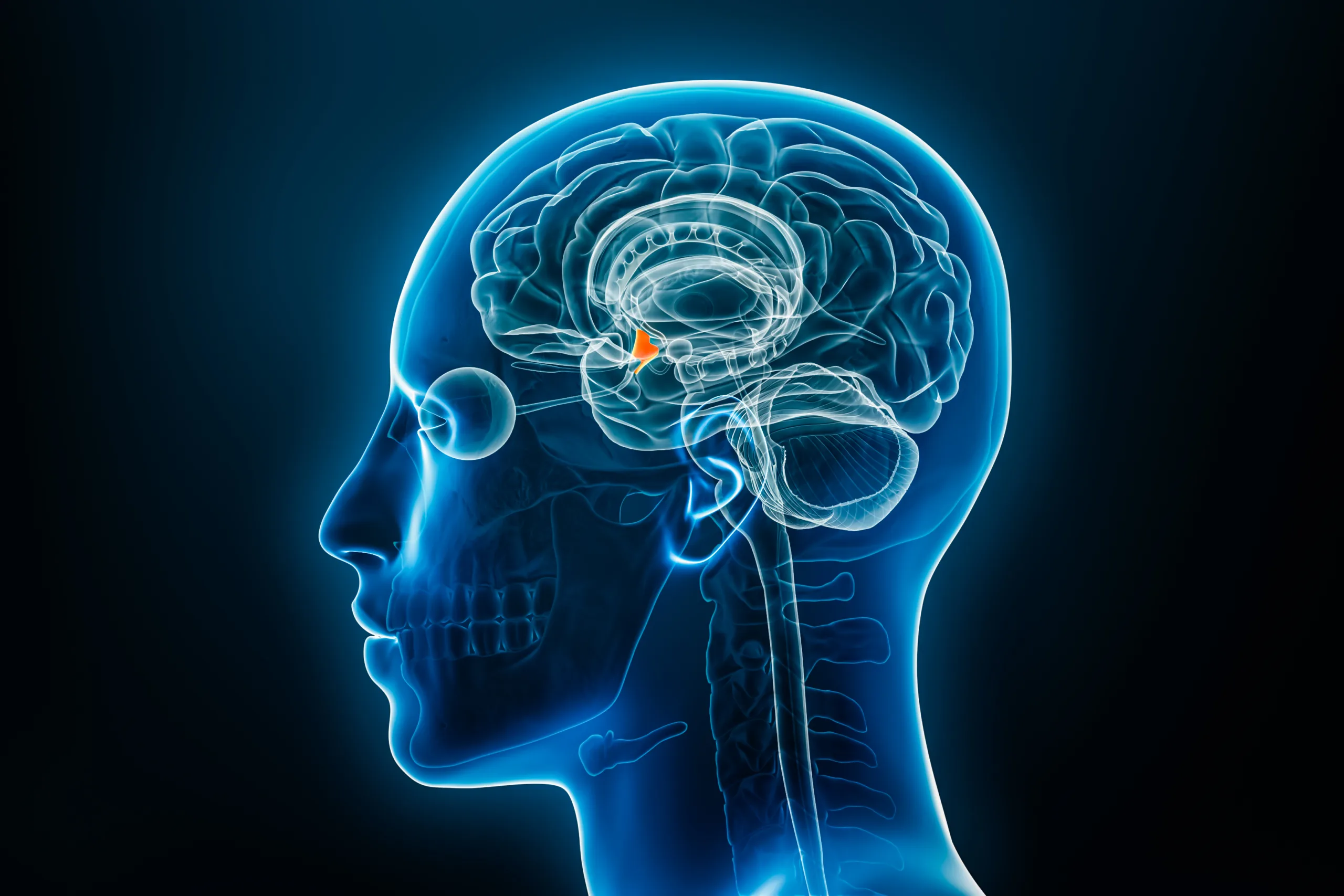
By the time an individual reaches their late 70s or 80s, the body’s intrinsic thirst mechanism undergoes a significant neurological decline. The osmoreceptors in the brain, which detect changes in blood concentration and signal the sensation of thirst, become less sensitive.
Consequently, older adults frequently become dehydrated without ever feeling thirsty. Dehydration in seniors can manifest quickly, causing confusion, urinary tract infections, kidney stress, increased fall risk, and acute low blood pressure.
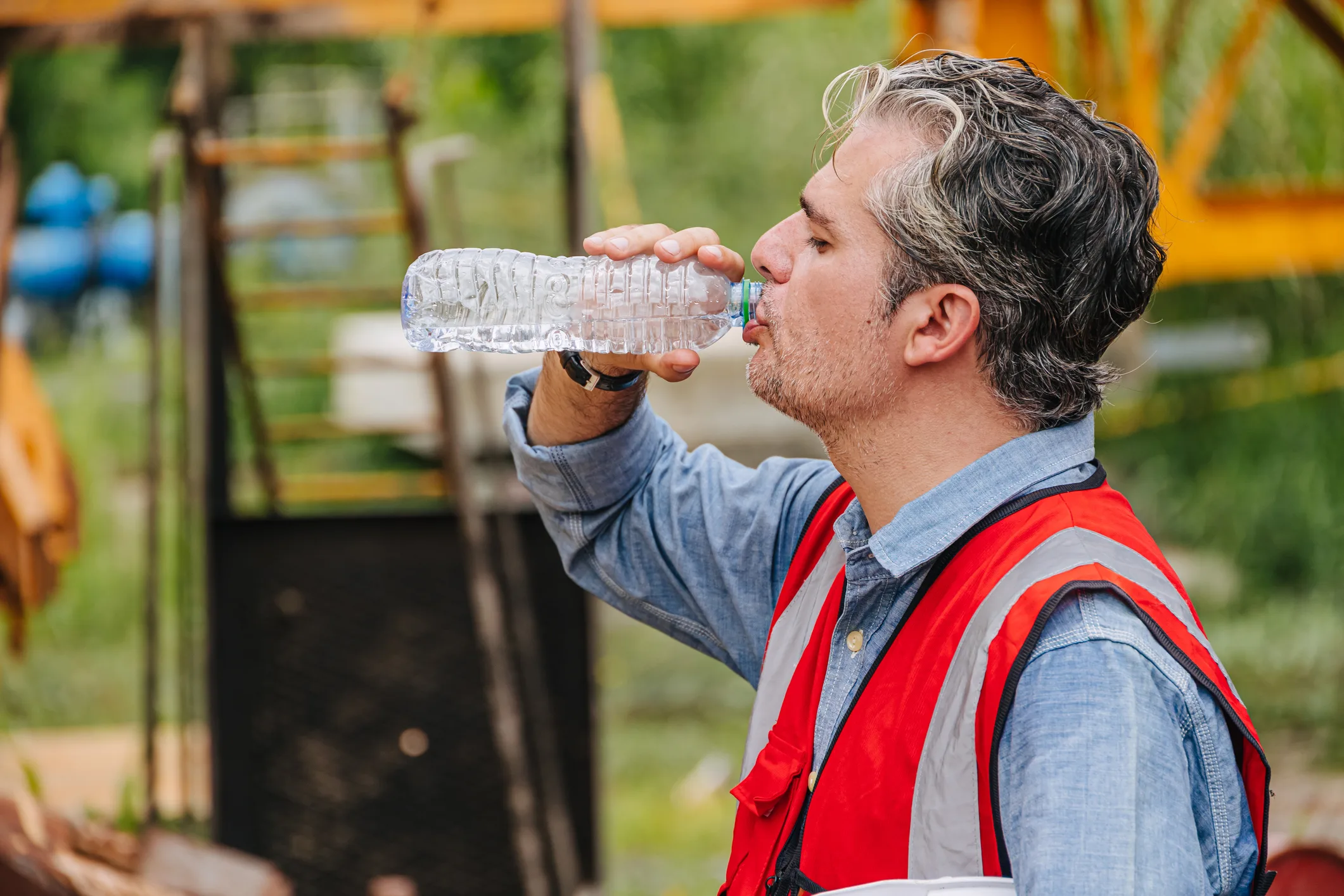
- Hydration Benchmarks: Do not rely on your body to tell you when to drink. Establish a strict daily fluid target. While 1.8 liters is ideal, a practical, achievable baseline is 1.4 liters (roughly 5 to 6 cups) of hydrating fluids daily.
- Electrolyte Balance: Prioritize water, diluted juices, and electrolyte-rich beverages. Limit heavy reliance on standard tea, coffee, and sodas, as excessive caffeine can worsen fluid loss.
Takeaway
At the end of the day, managing the physical realities of aging requires looking at your body less like a pristine temple and more like a classic British sports car: it still looks fantastic pulling up to the venue, but it requires significantly more routine maintenance under the hood, and occasionally leaks fluids when left overnight. By staying proactive with your nutrition, dental care, and strength training, you can ensure that your golden years are defined by vitality, mobility, and independence—rather than a desperate search for the nearest restroom. Keep moving, keep hydrating, and remember that while gravity always wins the long game, you can certainly put up a spectacular fight.