Ever heard the saying, “What doesn’t kill you makes you stronger”? It turns out, there’s a powerful scientific concept behind that old adage, and it’s called hormesis. It’s a fascinating idea that explains how a little bit of stress can actually be incredibly good for you.
Imagine giving your body a tiny, controlled challenge – not enough to cause harm, but just enough to make it perk up and say, “Hey, I need to get tougher!” That’s hormesis in a nutshell. It’s about finding that sweet spot where a mild stressor doesn’t hurt you, but instead triggers a beneficial “fix-it” response that makes you more resilient and healthier overall.
How Does This “Good Stress” Work?
When your cells encounter a small amount of stress, they don’t just sit there. Instead, they activate a kind of internal alarm system. This alarm isn’t about panic; it’s about preparation. It kicks off a series of helpful changes, like:
- Boosting your body’s “cleanup crew”: Your cells start making more protective proteins and enzymes that act like tiny repair kits, fixing damage and getting rid of cellular junk.
- Supercharging your defenses: Your body becomes better at fighting off future, bigger stresses. Think of it like a mini-training session for your cells.
- Improving overall function: This adaptive response can lead to better health, stronger systems, and even contribute to a longer lifespan.
It’s a beautiful example of your body’s incredible ability to adapt and protect itself.
Hormesis in Everyday Life: You’re Already Doing It!
The cool thing about hormesis is that you’re probably already benefiting from it without even realizing it. Many things we do for health are prime examples:
- Exercise: When you lift weights or go for a run, you’re putting your muscles under controlled stress. This mild stress tears down tiny muscle fibers, but then your body overcompensates, rebuilding them stronger than before. That’s hormesis! Push too hard, though, and you get injured.
- Eating Less (Sometimes): Think about intermittent fasting or just being mindful of your calorie intake. Brief periods of not eating (or eating a bit less) can lightly stress your cells. This nudges them to clean themselves up (a process called autophagy) and become more efficient, which can improve your metabolism and brain health.
- Hot and Cold Therapy: Ever tried a sauna or a quick cold shower? The intense heat or cold is a mild stressor. Your body responds by boosting protective proteins, improving circulation, and making you more resilient to temperature changes.
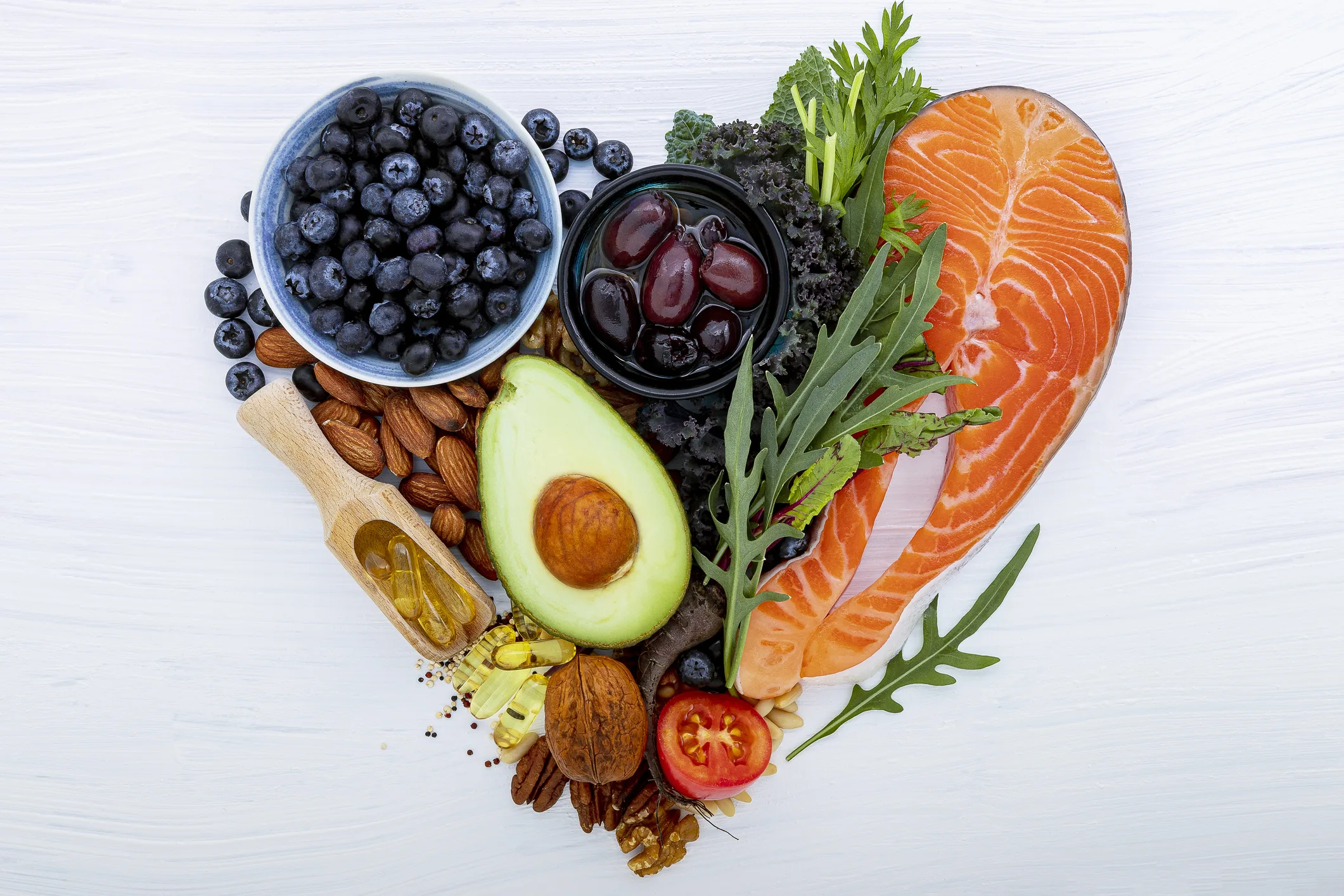
- Eating Your Veggies: Many healthy plant compounds, like those in broccoli or grapes, are actually mild toxins at high doses. But in the small amounts you get from eating a healthy diet, they trigger beneficial responses in your body, like activating detox pathways and reducing inflammation. It’s like a tiny, tasty challenge for your system.
The Benefits of Embracing “Good Stress”
By strategically adding these mild stressors into your life, you’re essentially training your body to be tougher and healthier. This can lead to:
- Stronger cells and systems.
- Improved physical performance.
- Better cellular repair.
- A more robust immune system.
- And potentially, a longer, healthier life!
Takeaway
The secret ingredient is always balance. A little bit of stress is good; too much is harmful. It’s about finding the sweet spot where you nudge your body to adapt, without pushing it over the edge. So, next time you feel a bit of exertion from a workout, or enjoy a healthy meal, remember: you might just be tapping into the powerful principle of hormesis, making yourself stronger with every small challenge.
Source: