Let’s be entirely honest with ourselves: by the time you reach 60, your body begins to offer daily, unprompted weather forecasts via your knees. While you might not be planning a second career as an NFL running back, keeping your joints intact, your balance sharp, and your energy high is likely near the top of your priority list.
San Francisco 49ers All-Pro NFL Running Back Christian McCaffrey recently shared his ultimate fitness guidance for staying athletic, functional, and injury-free. While his advice was originally framed for the “over-40” crowd, the biological realities make it even more crucial—and transformative—for adults 60 and older.
1. The Core Philosophy: “Move Every Day”
At its heart, the core training rule is deceptively simple: consistency over intensity.
“Move every day. You don’t need to spend hours in the gym. What you need is a routine that keeps you consistent, keeps you strong, and keeps you feeling athletic.”
For adults over 60, moving every day doesn’t mean grueling two-hour sweat sessions. It means establishing daily habits that preserve your body’s functional ability.
Why Daily Movement Matters in Later Decades
- Joint Lubrication: Movement stimulates synovial fluid production, which acts as a natural cushion for aging cartilage.
- Metabolic Health: Regular physical activity assists in blood sugar regulation and cardiovascular maintenance without overloading system recovery capacity.
- Neuromuscular Firing: Daily physical engagement keeps the neural pathways between your brain and muscles active, preserving agility.
2. Priority #1: Resistance Training and Muscle Retention
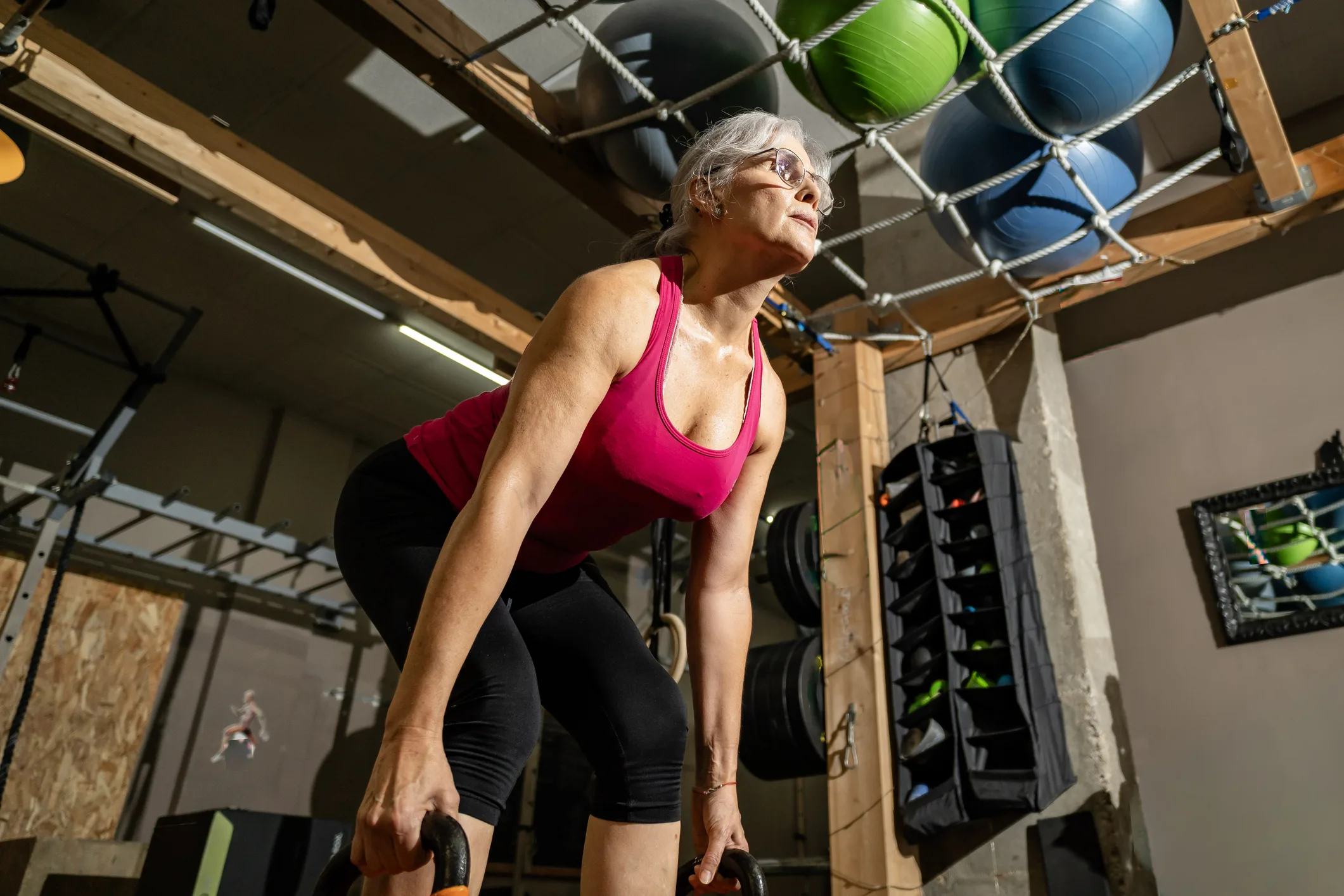
If there is a single takeaway from modern exercise science, it is that strength training is non-negotiable as we age. Age-related muscle loss (sarcopenia) accelerates significantly after age 60, but structured resistance training acts as a direct countermeasure.
“Lean muscle mass is one of the biggest predictors of health as you age, so focus on resistance and weight training if nothing else. Maintaining mobility and balance is also key.”
The Scientific Backing
A landmark 2026 study published in JAMA Network Open examining over 13,000 older adults highlighted that physical fitness directly correlates with reduced mortality risk. Specifically, lower-body strength, balance, and agility showed the strongest associations with healthy aging and longevity.
Furthermore, official guidelines from the Centers for Disease Control and Prevention (CDC) and position statements from the National Strength and Conditioning Association (NSCA) strongly advocate for resistance training at least twice weekly for older adults to combat age-related loss of muscle mass, bone density, and functional independence.
Essential Focus Areas for Adults Over 60
- Compound Movements: Work multiple joints at once using bodyweight squats to a chair, chest presses, or resistance band rows.
- Lower-Body Power: Exercises like step-ups or leg presses protect the muscle groups responsible for rising from chairs, climbing stairs, and preventing falls.
- Bone Density Preservation: Weight-bearing resistance forces bones to adapt and maintain density, reducing fracture risks.
3. Shift from “More Volume” to “Better Quality”
As athletes age, their approach to exercise evolves. Training harder gives way to training smarter.
“Today, I pay closer attention to movement quality, recovery, mobility, and how my body is responding. I still train just as hard, but I’m smarter about managing volume.”
For older adults, the goal is not to lift heavier than you did at thirty, but to execute precise movement patterns with zero ego.
Key Strategies for High-Quality Movement
- Prioritize Mobility: Dedicate 5 to 10 minutes before workouts to dynamic stretching and hip/shoulder mobility drills.
- Allow Ample Recovery: Muscle repair takes longer as we age. Rest days, adequate protein intake, and quality sleep (7–8 hours) are essential components of physical progress, not signs of slacking off.
- Listen to Pain Signals: Distinguish between the discomfort of muscle exertion and the sharp warning of joint strain. Modify movement patterns immediately if joints complain.
Takeaway
Staying active after 60 isn’t about chasing past athletic glory; it’s about making sure you can pick up a grandkid (or a heavy bag of topsoil) without needing a victory parade and three ibuprofen afterward. By prioritizing resistance training, moving your body daily, and focusing on quality over volume, you ensure your best years stay truly functional.
Source:
Christian McCaffrey Reveals the Fitness Rule He Wants Every Man Over 40 to Follow