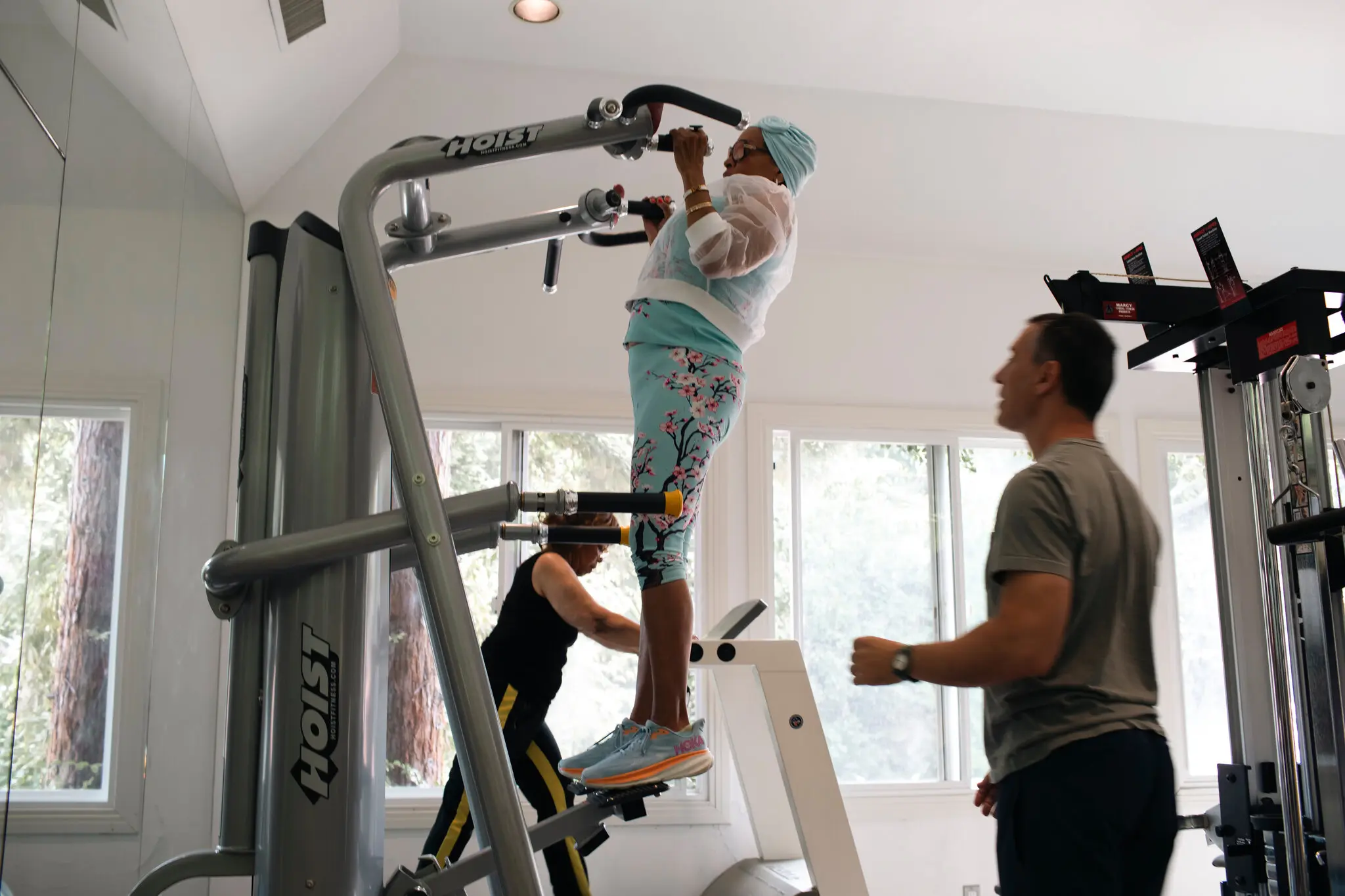
Getting older comes with a few undeniable perks: priority seating, no longer caring about fashion trends, and the absolute right to complain about the volume of modern music. However, it also comes with a relentless stream of societal messaging implying that aging is a steep, downhill slide. If you’ve ever found yourself blaming a misplaced set of car keys on a “senior moment,” you might want to reconsider your inner dialogue. As it turns out, the way you think about getting older doesn’t just affect your mood—it directly influences how many years you have left to enjoy those senior discounts.
The Foundation: The 7.5-Year Longevity Advantage
The scientific connection between attitude and lifespan was famously established by Dr. Becca R. Levy and her team at Yale University in a landmark 23-year longitudinal study published in the Journal of Personality and Social Psychology. By tracking 660 adults aged 50 and older from the Ohio Longitudinal Study of Aging and Retirement (OLSAR) and matching their survey responses with mortality records, researchers uncovered a striking trend:
-
Extended Lifespan: Individuals who held positive self-perceptions of aging lived an average of 7.5 years longer than those with negative attitudes toward growing older.
-
Outperforming Traditional Metrics: The survival benefit of a positive mindset exceeded the longevity gains provided by physiological metrics like low blood pressure, low cholesterol, or ideal body weight (which typically add 1 to 4 years of life).
-
Controlled for Baseline Health: This longevity advantage remained statistically significant after adjusting for age, gender, socioeconomic status, loneliness, and initial functional health.
Beyond the Original Findings: What 20+ Years of Follow-Up Research Reveals
While the original 2002 study focused primarily on overall survival rates, decades of subsequent research from Yale, the National Institute on Aging, and international gerontological studies have mapped the exact biological pathways connecting mind to body.
1. Cardiovascular Protection and Stress Response
Negative age stereotypes act as a chronic, low-grade stressor. In clinical lab environments, older adults exposed to negative age stereotypes exhibited significantly higher cardiovascular reactivity, elevated cortisol levels, and heightened blood pressure. Over several decades, this prolonged stress response accelerates vascular damage. Conversely, a positive view of aging acts as a physiological buffer against everyday stress.
2. Neurological Protection and Dementia Risk Mitigation
Modern neuroimaging and genetic research have expanded our understanding of how mindset affects brain health. In follow-up studies examining older adults carrying the APOE-e4 gene—the strongest known genetic risk factor for Alzheimer’s disease—researchers found that individuals with positive age beliefs were nearly 50% less likely to develop dementia compared to carriers holding negative age beliefs. Brain autopsies have also revealed that individuals with negative age stereotypes show a faster accumulation of amyloid plaques and greater hippocampal shrinkage over time.
3. Cellular Health and Preventative Behavior
Beliefs directly govern daily health management. Adults over 60 who view aging as a period of continued growth display higher levels of self-efficacy. They are significantly more likely to maintain routine exercise, adhere to medical treatments, eat balanced diets, and maintain a robust “will to live,” which strongly correlates with recovery rates following major medical surgeries or illnesses.
Actionable Strategies to Reframe Your Aging Mindset
Because ageism is deeply ingrained in modern culture, adults over 60 often internalize negative stereotypes unconsciously. Shifting these internalized beliefs requires deliberate practice:
-
Audit Your Internal Dialogue: Pay attention to how you talk about yourself. Catch yourself before attributing a minor mistake, fatigue, or physical limit purely to “getting old.”
-
Focus on Crystallized Intelligence: Acknowledge areas where aging improves cognitive function, such as pattern recognition, emotional regulation, complex decision-making, and accumulated wisdom.
-
Maintain Intergenerational Connections: Engaging regularly with younger generations in mentor or social roles breaks down social isolation and counteracts common negative cultural narratives about older adults.
-
Seek Active Role Models: Seek out literature, community members, and public figures who demonstrate vitality, purpose, and continued physical and intellectual engagement in their 70s, 80s, and beyond.
Takeaway
The next time you catch yourself groaning as you stand up from a comfortable chair, remember that your biology is listening. Shifting your focus from what your body used to do to what it continues to accomplish isn’t just fluffy optimism—it’s genuine, low-cost preventive medicine. If adopting a better attitude can grant you an extra seven and a half years of life and better brain health, that’s plenty of extra time to master a new skill, travel, or simply perfect the fine art of giving unsolicited advice to younger generations.
Source;