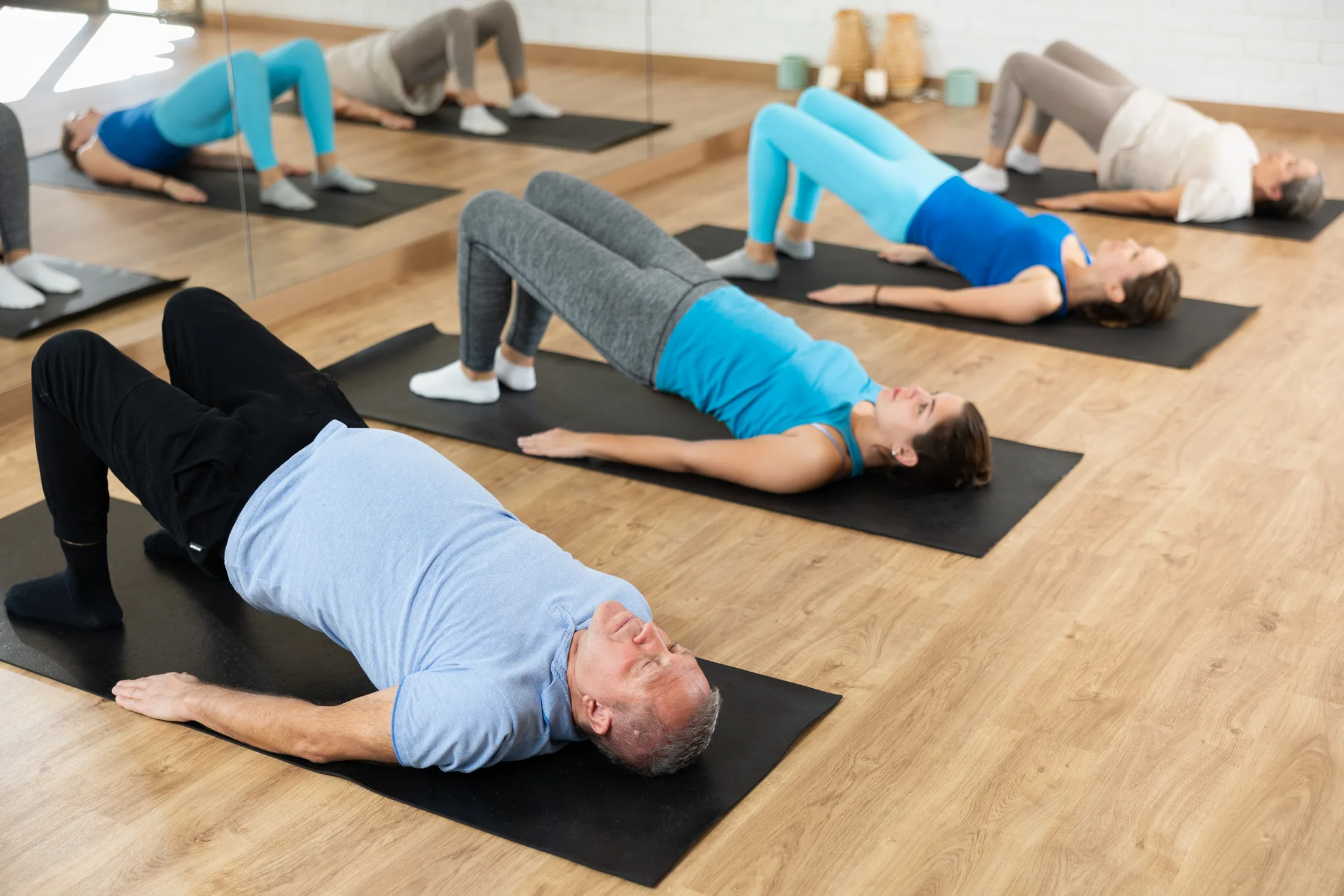
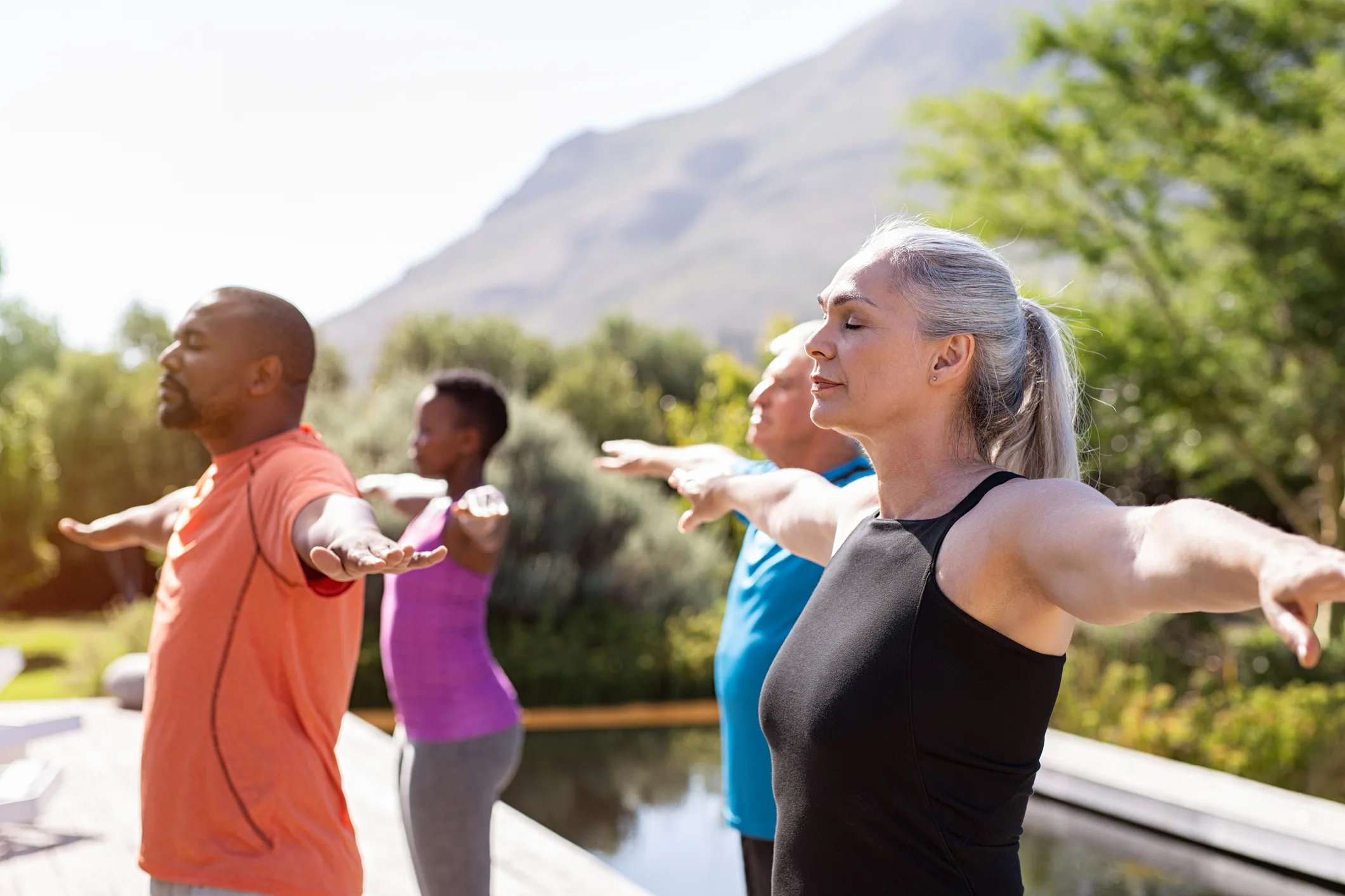
If your knees groan at the thought of exercise, you’re not alone. Many of us over 50 view the lunge—that staple of fitness classes—with the same suspicion we view unsolicited phone calls. Too much balance! Too much pressure!
But here’s the good news: the lunge, particularly the reverse lunge, is one of the single best exercises you can do to maintain the kind of strength and stability that keeps you independent.
The simple truth? Lunges are unilateral exercises, meaning they train one leg at a time. This is critical because real life is unilateral. Think about climbing stairs, stepping off a curb, or swinging a golf club—it all involves balancing on one foot while the other moves. Lunges train those crucial balancing muscles that traditional squats often miss.
The Three “B’s” of Lunge Benefits
Forget bulky muscles. At this stage, lunges are your insurance policy against aches, pains, and tumbles.
- Better Balance: Lunges force your core and hip stabilizers to work overtime. This is functional training at its finest, translating directly to a more stable stride and better fall prevention. You’re teaching your body to handle instability gracefully.
- Back and Hip Bliss: Sitting too much shortens your hip flexors, which can lead to lower back pain. Lunges not only strengthen your glutes (your body’s engine), but they also stretch those tight hip flexors, helping to restore your natural posture.
- Bulking Up the Essentials: Lunges efficiently target the large muscle groups—quads, hamstrings, and especially the glutes. Building this muscle mass helps raise your metabolism and provides protective support for your joints, particularly your knees.
Master the Movement: Reverse is the Best
If the classic forward lunge feels like a one-way ticket to knee pain, switch directions. The reverse lunge (or step-back lunge) is the gold standard for older adults because it is kinder to the knees and easier to balance.
How to Execute the Safe Reverse Lunge:
- The Starting Point: Stand tall with your feet hip-width apart. Keep a sturdy chair or countertop next to you for a light touch of support. (No shame in holding on—it lets you focus on form!)
- The Step Back: Take a large step directly backward with one foot, landing on the ball of that foot. Keep your feet hip-width apart throughout the movement, like you’re standing on two separate railroad tracks, not a tightrope.
- The Descent: Lower your hips straight down, bending both knees to roughly a 90-degree angle. Ensure your front knee stays right above your ankle—don’t let it drift forward past your toes. Your back knee should hover just above the floor.
- The Push Off: Drive through the heel of your front foot (this is where the glutes do the heavy lifting) to push yourself back up to the starting position.
Essential Modifications for Longevity
The key to long-term fitness is listening to your body and modifying the exercise, not avoiding it entirely.
- Use the Wall/Chair: For balance challenges, hold onto a stable object. This is a modification, not a crutch.
- Shorten the Range: Don’t feel obligated to drop your knee an inch from the floor. Start with a mini-lunge, lowering only halfway. Over time, you can gradually increase the depth as your strength and confidence improve.
- Embrace the Mini-Step: Taking a shorter step backward reduces the intensity and makes the movement feel more stable.
Start with 3 sets of 8–10 repetitions on each leg. Soon enough, you’ll be performing the lunge—the fitness equivalent of navigating an uneven sidewalk—with effortless confidence.