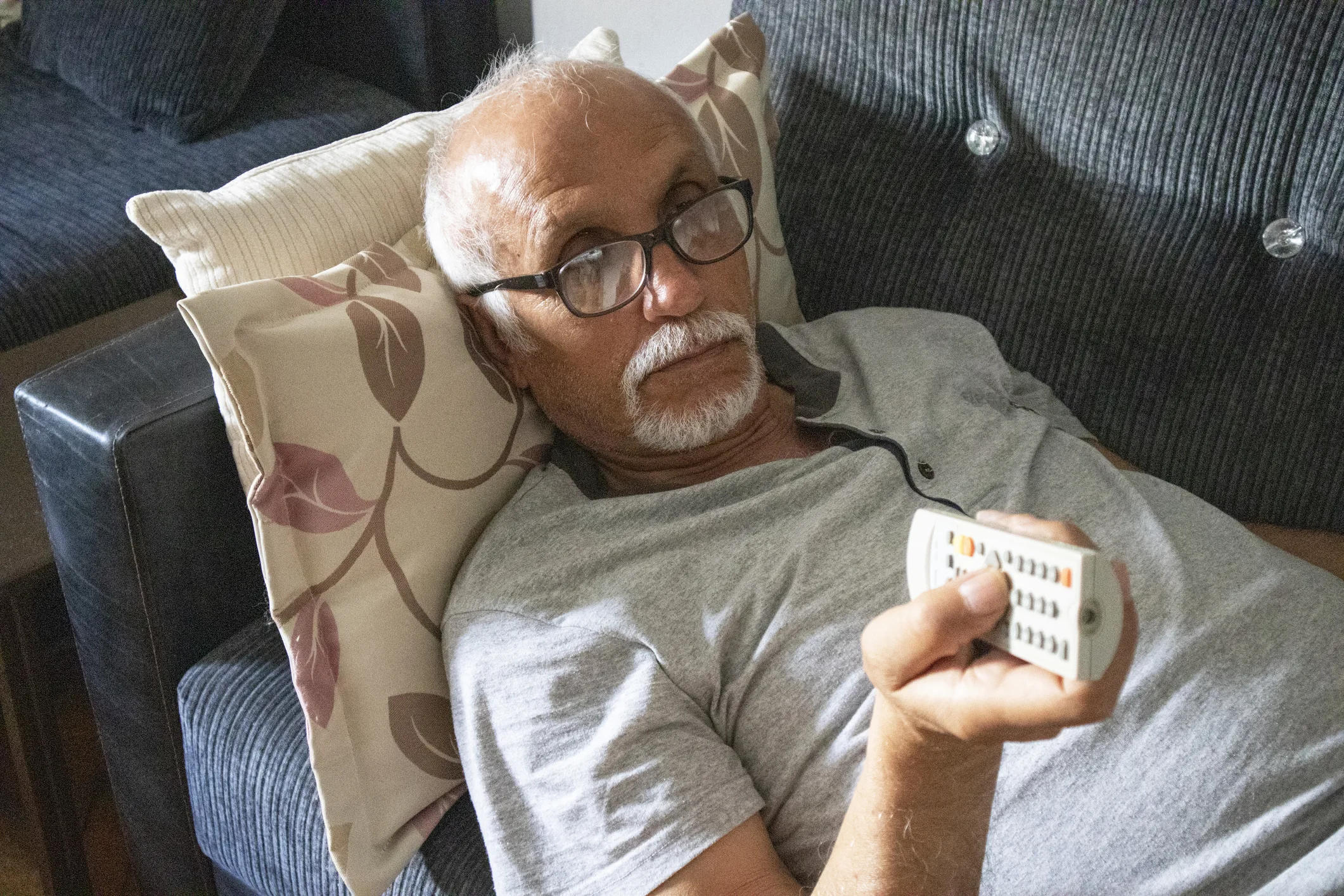
While sitting may seem harmless, it can actually be very dangerous to your health if done to excess. In fact, sedentary living has been linked to many health problems, including obesity, diabetes, heart disease, and even dementia. Researchers call this “sitting disease.”
For many seniors, a sedentary lifestyle becomes more common due to mobility issues, chronic pain, and other health conditions.
What is ‘Sitting Disease’?
When we sit for long periods of time, our bodies are not engaging in the physical activity necessary to maintain good health. This can lead to a variety of health problems – more than 30 chronic diseases and conditions, according to the National Institutes of Health.
According to the NIH, people were intended to be bipedal. It says people moved much more throughout the day before the Industrial Revolution than they do now.
Some studies have even suggested that prolonged sitting can be just as harmful for your health as smoking cigarettes.
Dangers of Sedentary Living for Seniors
Sedentary people face a variety of dangerous consequences, including:
- Chronic disease: Less activity can lead to an increased risk of chronic conditions such as diabetes, heart disease, and stroke.
- Cognitive decline: A sedentary lifestyle has been linked to cognitive decline and an increased risk of dementia in seniors.
- Decreased mobility: Lack of physical activity can lead to decreased mobility and less independence, which can have a significant impact on the quality of life for seniors.
- Increased risk of falls: Weak muscles and poor balance resulting from a lack of physical activity can increase the risk of falls and fractures.
- Mental health problems: Seniors who are sedentary are at an increased risk of developing depression and anxiety.
- Muscle degeneration: Prolonged inactivity can lead to muscle degeneration, making it harder for seniors to carry out daily activities.
- Obesity: Sitting burns fewer calories, which can lead to weight gain.
- Poor circulation: Lack of physical activity can lead to poor circulation, which can result in blood clots and other circulation-related problems.
How Much Sitting Is Considered Unhealthy?
Even for people with high levels of activity, there seems to be a threshold around 10 hours of sitting. Research shows that if you hit more than 10 hours, your cardiovascular risk really goes up.
Even if you’re doing 30 minutes per day of physical activity, it matters what you do the other 23 hours of the day.
How Seniors Can Combat Sedentary Lifestyle
Fortunately, there are several strategies that can help you combat a sedentary lifestyle:
- Balance exercises: You can improve balance and reduce the risk of falls with balance exercises like chair yoga.
- Group exercise: Exercising in a group can not only benefit you physically but mentally as you socialize at the same time.
- Physical activity: Engaging in physical activity, even if it’s just a short walk, can help improve overall health and reduce the risk of chronic disease.
- Strength training: Strength training can help improve muscle strength and balance, reducing the risk of falls and fractures.
- Stretching exercises: Gentle stretching exercises can help improve flexibility and reduce muscle stiffness.
The Bottom Line
It’s important to take regular breaks from sitting and engage in physical activity to prevent the negative consequences of sitting disease.
Source:
‘Sitting Disease’ and the Effects of a Sedentary Lifestyle
Sitting Disease: How a Sedentary Lifestyle Affects Heart Health