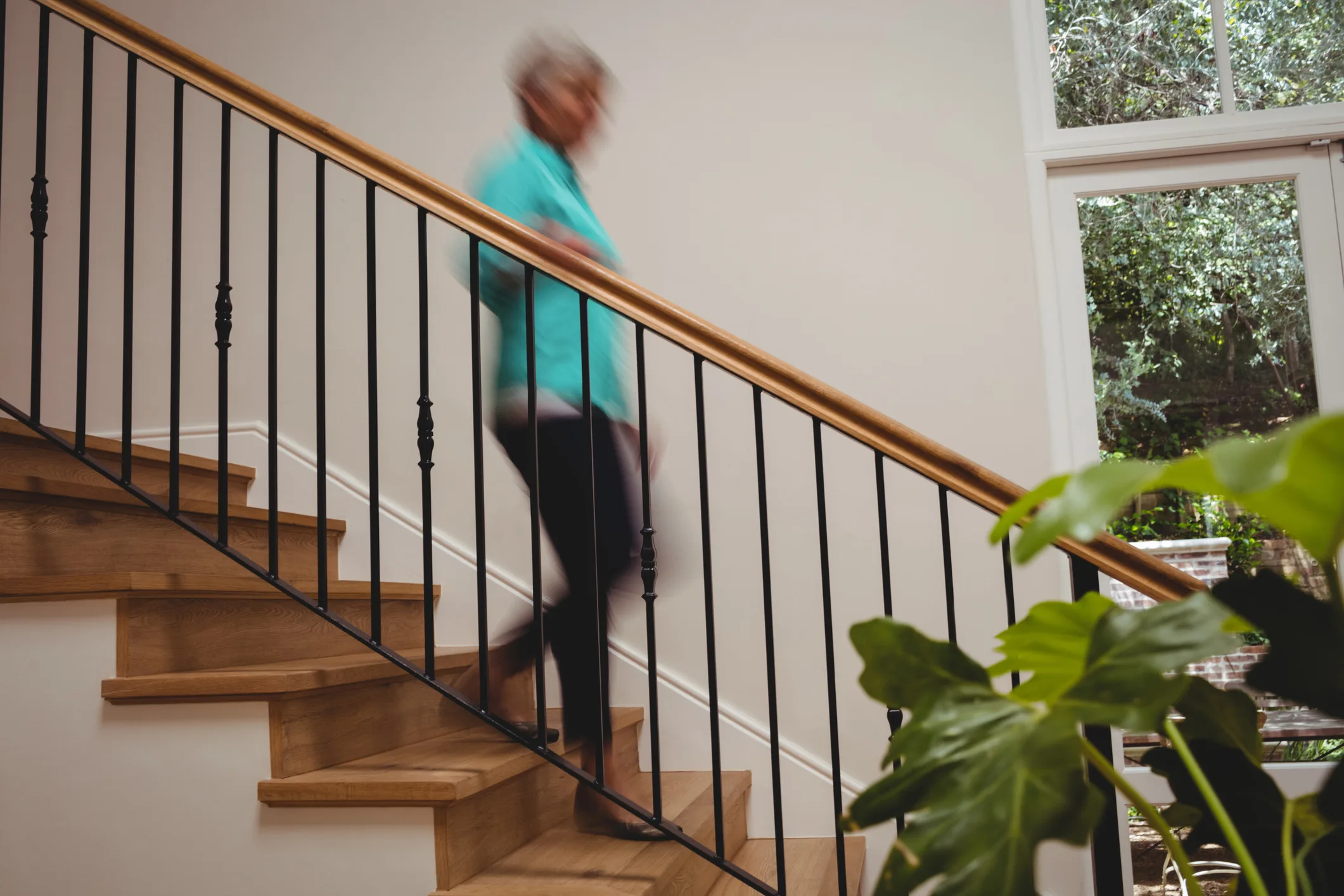
If retirement was supposed to get you off your feet, somebody forgot to tell your favorite armchair, the endless television stream, and that captivating 500-piece jigsaw puzzle. Most of us try to balance our sedentary habits with daily activity, yet even the most active among us spend vastly more time sitting than moving. Accelerometer data reveals that older adults spend an average of 11 to 12 hours a day—roughly 65% to 75% of their waking hours—completely sedentary, while logging fewer than 30 minutes of moderate-to-vigorous physical activity.
While you might no longer be commuting to a desk job, prolonged sitting remains a quiet hazard. Fortunately, targeted movement can significantly reduce these risks.
Understanding the Risks of Prolonged Inactivity
Prolonged sedentary behavior affects the body independently of overall fitness levels. Even if you complete a morning walk, sitting continuously for the remainder of the day triggers distinct physiological shifts:
- Vascular Impairment: Continuous sitting reduces blood flow to the lower extremities, leading to temporary vascular dysfunction and increased blood pressure.
- Metabolic Slowing: Sitting suppresses the activity of lipoprotein lipase, an enzyme critical for breaking down blood fats and regulating blood sugar levels.
- Systemic Inflammation: Extended periods of stillness are linked to higher markers of chronic inflammation, which accelerates joint stiffness and cardiovascular risk.
- Elevated Chronic Disease Risk: High levels of sedentary time correlate with increased rates of cardiovascular disease, type 2 diabetes, and specific cancers.
What the Latest Research Reveals
A comprehensive study published by Norwegian researchers in Medicine and Science in Sports and Exercise examined device-measured movement data to evaluate how exercise interacts with sitting time. Unlike self-reported surveys, wearable accelerometers provided a precise look at daily activity.
The key findings highlight crucial thresholds for health preservation:
- The 150-Minute Baseline Is Often Insufficient: Standard guidelines recommending 150 minutes of moderate activity per week may not fully counteract the health hazards of spending 10 or more hours sitting daily.
- Targeting the Upper Threshold: To effectively neutralize the mortality risks associated with high sedentary time, adults should aim for the higher end of the World Health Organization’s guidelines—approximately 300 minutes per week (roughly 40 to 45 minutes per day) of moderate-to-vigorous physical activity.
- The Power of Short Breaks: Clinical trials referenced by the American College of Sports Medicine show that breaking up continuous sitting every 30 to 60 minutes with brief periods of light movement (1 to 5 minutes) significantly improves glucose regulation and vascular function.
Actionable Strategies to Counteract Sitting
Reaching 300 minutes of activity per week does not require intense, high-impact gym sessions. Tailored strategies for adults over 60 include:
Daily Movement Guidelines
- Pace During Calls or Reading: Walk around the room while on the phone or listening to an audiobook.
- Implement Hourly Breaks: Set a timer to stand, stretch, or do a brief lap around the house every hour.
- Post-Meal Walks: Take a 10-to-15-minute brisk walk after lunch or dinner to assist blood sugar disposal.
- Incorporate Resistance and Balance: Perform chair squats, calf raises, or brisk walking intervals to engage major muscle groups.
Finding Your Rhythm
Reaching 300 minutes of weekly activity might sound like a full-time job—and haven’t you already retired from one of those? However, broken down into manageable 45-minute daily chunks (or three 15-minute walks), it is remarkably achievable. Your joints, heart, and metabolic system will thank you—and your armchair will still be there waiting when you return, fully earned.