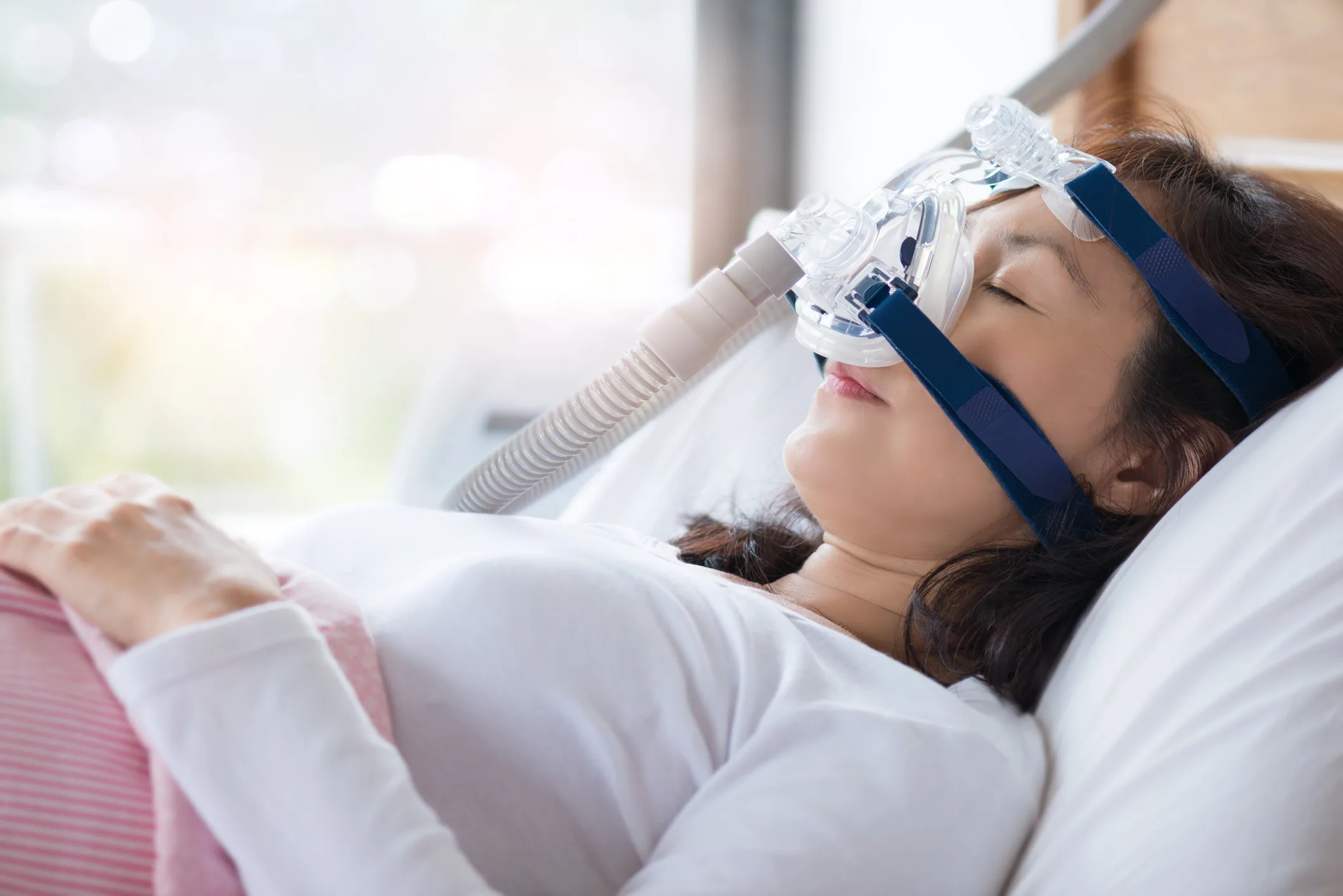
There are a few very promising developments in the world of sleep apnea medication that could revolutionize treatment beyond the traditional CPAP machine.
There are currently two major types of “sleep apnea pills” that have been in the news recently: one that treats the underlying cause by keeping the airway muscles active, and another that is already FDA-approved and works via weight loss.
Here is a breakdown of the pill you’ve likely heard about:
1. The Investigational Pill: AD109 (Targeting the Airway Muscles)
This is the pill often discussed as a direct pharmacological alternative to CPAP because it addresses the neuromuscular root cause of Obstructive Sleep Apnea (OSA).
How It Works
- Mechanism: AD109 is an investigational, once-nightly, fixed-dose combination pill that contains two drugs: aroxybutynin and atomoxetine.
- Target: The combination is designed to work on the nerves and muscles of the upper airway. By increasing the signaling to the throat muscles, the pill helps keep the airway stable and open during sleep, preventing the soft tissues from collapsing and causing apnea or hypopnea events.
- Status: It has completed two large, pivotal Phase 3 clinical trials (SynAIRgy and LunAIRo) with positive results, showing a significant reduction in the Apnea-Hypopnea Index (AHI)—the standard measure of sleep apnea severity.
- In the trials: Participants treated with AD109 achieved a mean reduction in AHI of around 47% to 56% compared to a placebo.
- Regulatory Timeline: The manufacturer (Apnimed) plans to submit a New Drug Application (NDA) to the U.S. FDA for regulatory review in early 2026.
Why It’s Significant
If approved, AD109 could be a game-changer as the first non-weight-loss oral treatment to address the core problem of muscle collapse in OSA, offering a simple, non-device option for people who are unable or unwilling to use CPAP therapy.
2. The FDA-Approved Option: Zepbound (Tirzepatide)
While not strictly a “sleep apnea pill” in the sense of directly targeting the throat muscles, the FDA has approved a medication that significantly treats the condition in patients with obesity.
How It Works
- Drug Name: Zepbound (tirzepatide), which is a once-weekly injection, though oral versions of similar drug classes (GLP-1s) are also being developed.
- Mechanism: Zepbound works by activating receptors for two hormones (GLP-1 and GIP) that reduce appetite and food intake, leading to significant weight loss.
- Sleep Apnea Link: Since obesity is a primary risk factor and driver of OSA, the significant body weight reduction achieved with Zepbound (and its sibling drugs like Wegovy/semaglutide) leads to a substantial improvement in sleep apnea symptoms and AHI.
- Status: Zepbound was FDA-approved for the treatment of moderate to severe Obstructive Sleep Apnea in adults with obesity (to be used in combination with diet and exercise). This marks the first approved medication for OSA in this patient population.
Why It’s Significant
This approval is a major step because it recognizes that addressing underlying metabolic health can also effectively treat sleep apnea. Studies showed that Zepbound significantly reduced the number of breathing events and, in many cases, achieved remission or reduced the severity category of the disease.