2 MIN. READ

Staying Fit as You Age: What Happens to Your Body When You Hit 50?

AdobeStock/zamuruev

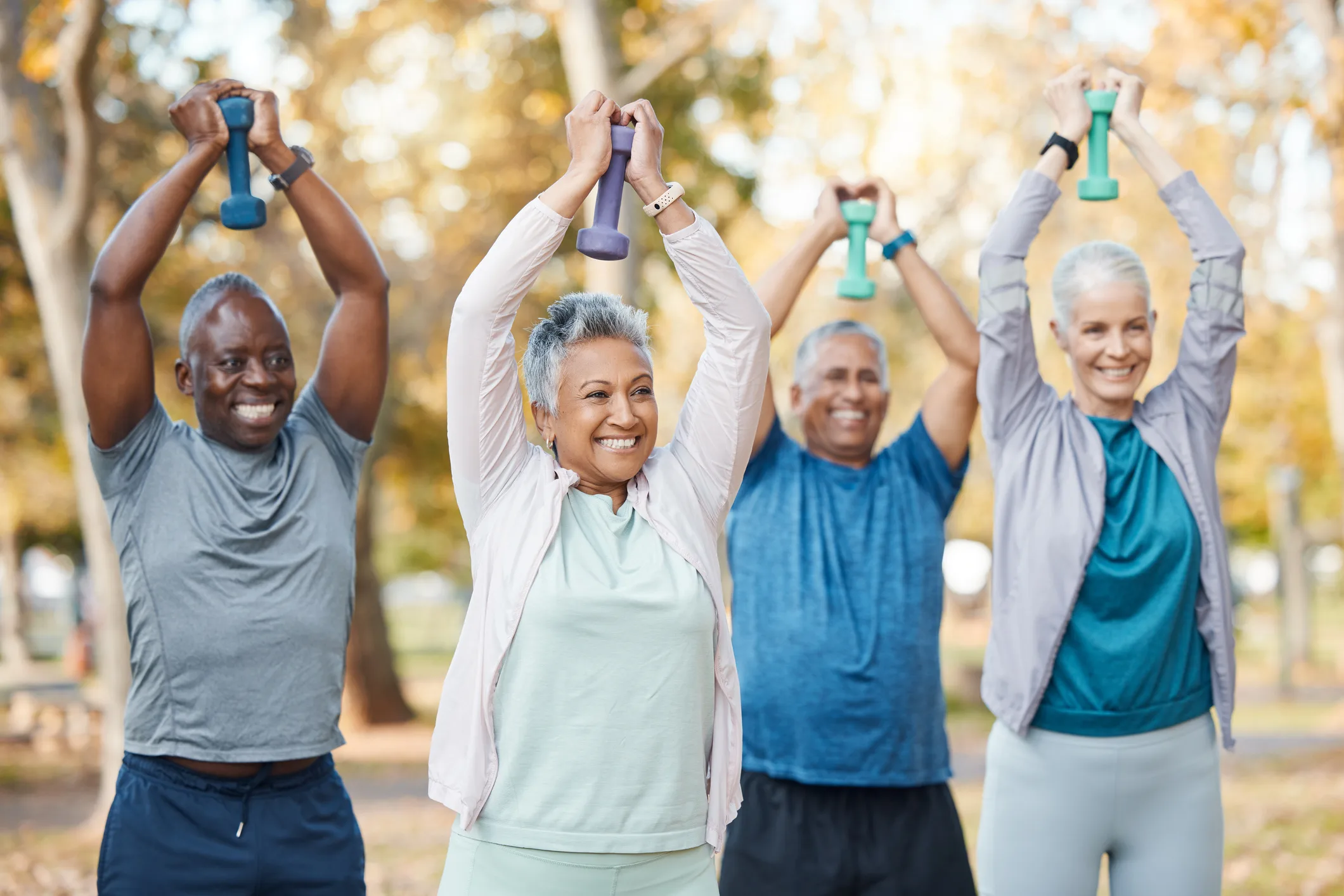
Hitting 50 is a milestone in many ways. How your body responds to exercise is one of them. A team of researches at Tufts University provided a scientific explanation as to why our bodies and muscles do not respond to exercise post-50 as they did pre-50.

What the research shows

It turns out the biological processes that turn exercise into muscle becomes less effective once we hit 50. While the basic biology of all people, young or old, is more or less the same, research shows that in a young muscle, a little bit of exercise produces a strong signal for the many processes that trigger muscle growth. Whereas in older people, the signal telling muscles to grow is much weaker for a given amount of exercise. These changes begin to occur when a person reaches around 50 years old and become more pronounced as time goes on.

The research team was also able to determine that in addition to changes in signaling, our genes also change in response to exercise as we age. When younger men exercise, there are changes in the expression of more than 150 genes. When they looked at older men, they found changes in the expression of only 42 genes. This difference in gene expression seems to explain, at least partly, the more visible variation between how young and old people respond to strength training.

Conclusion

The conclusion is older people do not gain muscle mass as well as young people. Surprise! 🙄

But honestly, once you hit 50, the goal isn’t to gain muscle mass. The goal is not to lose the muscle mass you already have! So start getting busy! If you can look at yourself in the mirror when you’re 60 or 70 and say “damn, I look as good as I did when I was 50” you’ve met your goal! 🙂

Source:

50-year-old muscles just can’t grow big like they used to – the biology of how muscles change with age

Share the Post:

Active Aging News

Weekly Newsletter

RELATED NEWS

Amyloid plaques in Alzheimer's disease

TDP-43: Is This the Real Driver of Your Memory Loss?

Mature Economically Inactive Woman Suffering With Long Term Illness Sitting On Sofa At Home

The Long COVID “Mop-Up”: How to Clean Up Your System and Get Your Energy Back

Happy fit mature man in gym working out to stay healthy

Is Strength Training the Fountain of Youth?

A elderly woman engaging in rehabilitative exercises under the guidance and support of physiotherapist

5 Osteoporosis Myths That Are Crippling You More Than the Disease

Senior man sleeping

Mastering the ‘Wind-Down’: Science-Backed Tips for Sleep Consistency

OTHER STORIES

3d illustration of HIV virus. Medical concept

Could An Existing HIV Medication Hold the Key to Preventing Alzheimer’s?

Jessie Diggins holding skis next to image og Salmon MIso Grain Bowl

The Olympic Recovery Secret: Why This 10-Minute Salmon Bowl is a Game-Changer After 50

Hand of maid washing tomato fresh vegetables preparation healthy food in kitchen

Sneaky Ways to Eat Your Veggies (and Actually Enjoy It!)

An elderly woman who woke up in the middle of the night from a nightmare or panic attack lies curled up on her bed in her bedroom, frightened

Dinner and Demons: Does What You Eat Affect Your Dreams?

Overnight oats with fresh blueberries and bananas in jars on a rustic white wood background

What Do Nutritionists Eat for Breakfast?

Citizen,In,Grey,Sport,Trousers,Holding,The,Kettlebell,Between,Her

Sumo Squat vs Goblet Squat: Which is Best for Older Adults?

[chatbot style="floating"]

Please enter your email to access your profile