2 MIN. READ

Staying Fit as You Age: What Happens to Your Body When You Hit 50?

AdobeStock/zamuruev

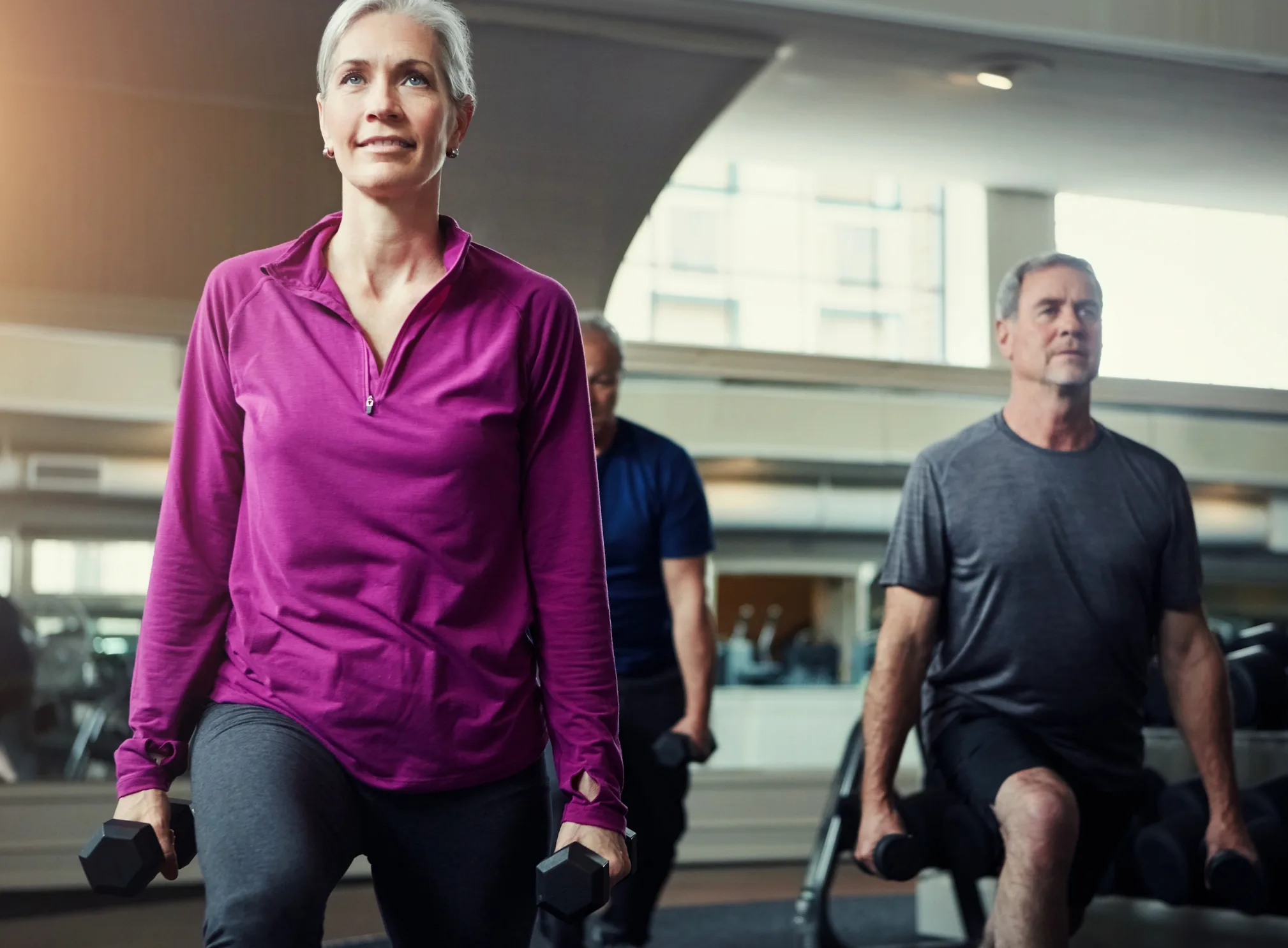
Hitting 50 is a milestone in many ways. How your body responds to exercise is one of them. A team of researches at Tufts University provided a scientific explanation as to why our bodies and muscles do not respond to exercise post-50 as they did pre-50.

What the research shows

It turns out the biological processes that turn exercise into muscle becomes less effective once we hit 50. While the basic biology of all people, young or old, is more or less the same, research shows that in a young muscle, a little bit of exercise produces a strong signal for the many processes that trigger muscle growth. Whereas in older people, the signal telling muscles to grow is much weaker for a given amount of exercise. These changes begin to occur when a person reaches around 50 years old and become more pronounced as time goes on.

The research team was also able to determine that in addition to changes in signaling, our genes also change in response to exercise as we age. When younger men exercise, there are changes in the expression of more than 150 genes. When they looked at older men, they found changes in the expression of only 42 genes. This difference in gene expression seems to explain, at least partly, the more visible variation between how young and old people respond to strength training.

Conclusion

The conclusion is older people do not gain muscle mass as well as young people. Surprise! 🙄

But honestly, once you hit 50, the goal isn’t to gain muscle mass. The goal is not to lose the muscle mass you already have! So start getting busy! If you can look at yourself in the mirror when you’re 60 or 70 and say “damn, I look as good as I did when I was 50” you’ve met your goal! 🙂

Source:

50-year-old muscles just can’t grow big like they used to – the biology of how muscles change with age

Share the Post:

Active Aging News

Weekly Newsletter

RELATED NEWS

A lovely elderly patient woman and African caregiver are making a heart shape together, holding hands symbolizing love and care, Caring for the elderly people and nursing home concepts

Scientifically Backed Health Calculator Is A Game-Changer in Predicting Heart Disease

Senior man sleeping

Mastering the ‘Wind-Down’: Science-Backed Tips for Sleep Consistency

Beautiful senior woman using mouthwash

Stop Killing Your ‘Miracle Molecule’: The Mouthwash Mistake Making Your Arteries Stiff

Happy mature woman applying serum or natural oil on her scalp, looking at her reflection in mirror and smiling. Organic cosmetics for haircare, damaged dry hair treatment, daily beauty routine

Hair-Raising Concerns: A Closer Look at Female Hair Loss Solutions

infographic-style illustration titled Understanding Polygenic Scores set against a blue background. On the left, a large, colorful DNA double helix stands vertically, labeled with references to multiple genetic variants (SNPs) and risk alleles, visually suggesting small genetic differences within DNA.

The “Cheat Codes” for Your 60s: Why Your Polygenic Score Matters Now

OTHER STORIES

Man pulling weeds in vegetable garden

The Reality of Functional Fitness and Gardening

Fumiko Takatsu Performing Face Yoga

Give Your Face a Workout: The Secrets of Face Yoga

Rear View Of Senior Couple Power Walking Through Park

Walking Is Great. But Is It Enough To Meet Your Fitness Goals?

Woman at seaside practicing EFT - emotional freedom technique - tapping on the collarbone point

A Gentle Path to Peace: How Tapping Therapy Can Calm Your Nerves

3d illustration of HIV virus. Medical concept

Could An Existing HIV Medication Hold the Key to Preventing Alzheimer’s?

Happy senior couple, dance and laughing in joyful happiness for relationship bonding in the kitchen at home. Elderly man and woman with smile dancing together for romantic moment in love and care

The Critical Role of Home Care in America’s Future

[chatbot style="floating"]

Please enter your email to access your profile