For years, we were told memory decline was just a fact of getting older. A silver lining? Maybe it meant fewer password resets to worry about. But here’s the good news: a remarkable group of individuals, aptly named “Superagers,” are proving that a mind as sharp as a tack well into their 80s and 90s isn’t a fantasy—it’s a reality.
These are the folks whose memories are on par with, or even better than, someone 20 to 30 years younger. Think of them as the cognitive rockstars of their generation! Researchers are now intensely studying these exceptional people, not just out of curiosity, but to bottle their secrets and help the rest of us preserve our own mental edge.
What Makes a Superager “Super”?
The Northwestern University SuperAging Program, running for 25 years, has set a high bar. A Superager is:
- A Memory Marvel: Aged 80 or older, they can ace a standard word-recall test, scoring a minimum of 9 out of 15 words. That’s a score typical of adults in their 50s or 60s, blowing past the average of about five words for others in their 80s.
- A Rare Find: Only about 10% of otherwise healthy older adults meet these demanding standards.
Lifestyle: The Surprising Contradiction 🤔
If you’re picturing a Superager as a serene yoga master who only eats kale and abstains from all vices—think again! The Northwestern team discovered something fascinating:
- No Magic Formula: “Some superagers appeared to follow all conceivable recommendations for a healthy life. Others did not eat well, enjoyed smoking and drinking, shunned exercise, suffered stressful life situations, and did not sleep well,” the researchers reported.
- The Social Safety Net: One factor that does stand out is strong, positive social relationships. As one neuropsychologist noted, Superagers are often “so full of life,” with schedules “jam-packed with volunteering, classes, [and] social engagements.” It seems a warm, trusting connection might be just as important as a warm-up stretch.
Your Brain on Super-Aging 🚀
Brain scans have given us a peek under the hood, and the differences are striking.
- Built-in Thick Walls: While typical older adults experience widespread cortical thinning, Superagers retain the thickness of individuals in midlife. Specifically, the anterior cingulate cortex—a region supporting attention, motivation, and social engagement—is often thicker in Superagers than even in younger adults. This physical structure echoes their high extraversion and strong social connections.
- Memory Circuit Preservation: The core brain regions responsible for memory (hippocampus and others) show a remarkable preservation, resisting the typical rate of atrophy seen in their peers.
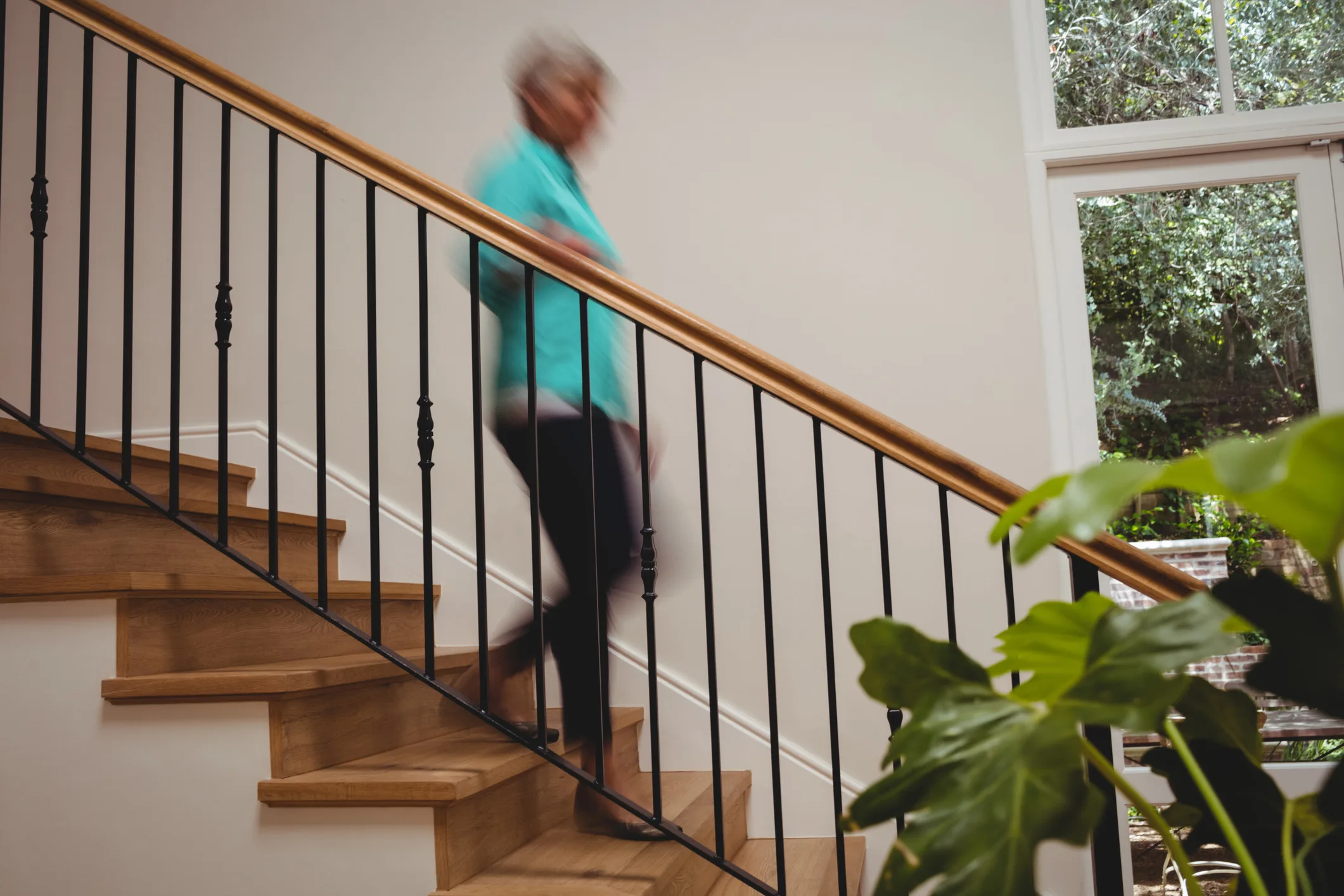
- The Speed Connection: Researchers were initially puzzled to find that areas of the thalamus involved in movement were larger. A machine learning analysis then revealed one of the top predictors of Superager status: movement speed. Simply put, they move more quickly! Perhaps keeping your body spry helps keep your brain nimble.
- Mental Health Matters: The other top predictor? Significantly lower levels of anxiety and depression. This suggests a calm, content mind might be a key ally in the fight against cognitive decline.
The Million-Dollar Question: Nature or Nurture?
Are they just born this way, or can we all copy their homework? Scientists are still wrestling with this one.
- Genetics vs. Lifestyles: While Superagers’ genetic profiles (like the APOE allele) don’t seem wildly different from cognitively average peers, some researchers are “quite convinced” that genetics still play an important role.
- The Power of Practice: One intriguing finding? Superagers were more likely to have a musical background than their peers.
Ultimately, there are likely “multiple paths to becoming a superager.” Researchers agree that while the full answer is complex, we can focus on the modifiable variables that seem to make a difference:
- Active Midlife: Keep your foot on the gas with challenging activities.
- Physical Exercise: Keep that movement speed up!
- Prioritize Mental Health: Keep a sharp eye on anxiety and depression.
- Mind Your Heart: Control those cardiovascular risk factors like hypertension and high blood sugar.
It’s never too late to start optimizing your habits. After all, if the goal is to still be running circles around the grandkids in a few decades, why wait?
Source: