I have a friend who recently shared a story about a flight she’d taken that perfectly captures how we view fitness as we get older. She had struck up a casual conversation with the gentleman in the next seat, and the talk eventually drifted toward staying active. He mentioned he was a runner; she mentioned she practiced yoga. He offered a polite, slightly patronizing smile and said, “Oh, nice! Even I do a bit of stretching and flexibility work when I have the time.”
My friend admitted that the comment stayed with her long after the plane landed. It wasn’t meant to be rude, but it was incredibly revealing. Somewhere along the way, yoga has been reduced in the public imagination to a “soft” alternative for people who aren’t “real” athletes. For those of us navigating the complexities of our 50s and beyond, thinking of yoga as just a way to touch our toes is like buying a high-end smartphone just to use the calculator. Whether you currently practice or are simply curious, there is a much deeper architecture to this tradition that offers a blueprint for how to age with grace, strength, and a very sharp mind.
Redefining the Practice Beyond the Gym
In modern culture, yoga is often marketed as a physical fix—something for anxiety, a rehab tool for a stiff back, or a “light” workout. However, ancient texts like the Bhagavad Gita present it as a comprehensive way of living rather than a set of exercises. It is described through various paths: Karma Yoga (the path of selfless action), Bhakti Yoga (the path of devotion), Jnana Yoga (the path of knowledge), and Dhyana Yoga (the path of meditation).
To truly understand what it means to engage with yoga, one must look at the Eight Limbs of Yoga (Ashtanga Yoga), systematized by the Sage Patanjali. Most modern Western classes focus almost entirely on the third limb, Asana (Posture), but the other seven offer a sophisticated manual for living a balanced, meaningful life.
The Eight Limbs: A Guide for Longevity and Peace
- Yama (Social Ethics): These are the “golden rules” for how we interact with the world. They include Ahimsa (non-violence/kindness), Satya (truthfulness), Asteya (non-stealing), Brahmacharya (moderation of energy), and Aparigraha (non-attachment).
- Niyama (Personal Discipline): These focus on internal growth. They include Saucha (cleanliness), Santosha (contentment), Tapas (disciplined persistence), Svadhyaya (self-study), and Ishvara Pranidhana (surrender to a higher purpose).
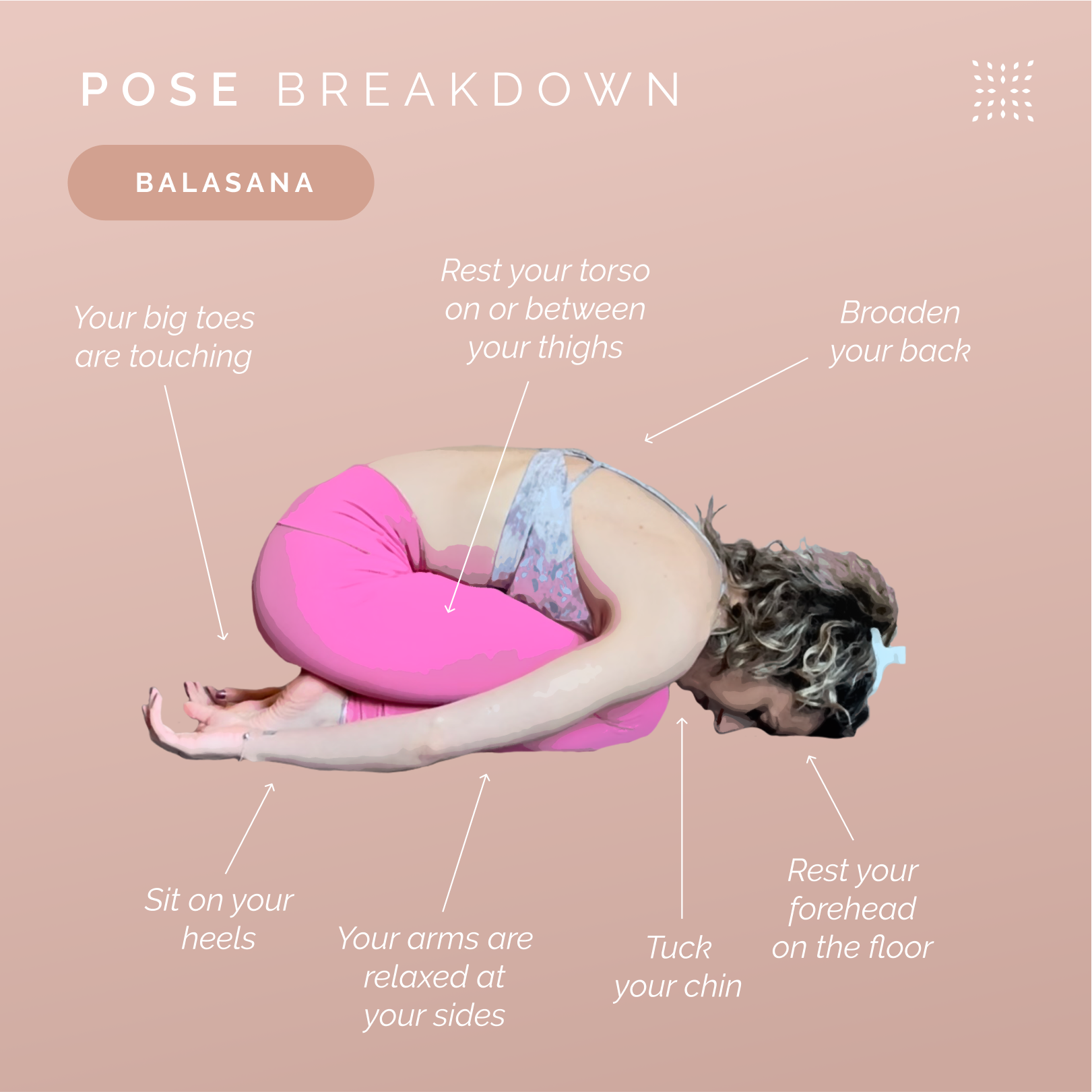
- Asana (Posture): This is the physical practice most are familiar with. Interestingly, the original intent of these poses was simply to keep the body healthy and supple enough to sit in meditation for long periods without pain.
- Pranayama (Breath Control): This limb focuses on the connection between the breath and the nervous system. For the mature adult, mastering the breath is one of the fastest ways to regulate stress and improve heart rate variability.
- Pratyahara (Sensory Withdrawal): In an age of constant digital pings and “outrage” news cycles, this is the practice of turning the senses inward to find a quiet, untouchable center.
- Dharana (Concentration): This is the training of the mind to focus on a single point, object, or thought. It is the ultimate “brain gym” for maintaining cognitive focus as we age.
- Dhyana (Meditation): While concentration is an active effort, meditation is the result—a state of being where the mind becomes still, clear, and uninterrupted by the “monkey mind.”
- Samadhi (Complete Absorption): This is the ultimate goal—a state of profound peace where the practitioner feels a sense of total connection to the universe and a quietness of the ego.
Yoga as a Strategy for Life, Not Just a Remedy
For those in the second half of life, yoga functions less like a medicine and more like “soul food.” We spend decades training our bodies to work and provide, but rarely do we train our minds to be still. Yoga fills that gap.
There is also a persistent myth that yoga isn’t “real” fitness or won’t help with weight management. In reality, weight loss is governed by the laws of thermodynamics: calories burned versus calories consumed. Yoga supports this balance by building functional muscle, regulating the endocrine system (which governs metabolism), and fostering an awareness of the body’s true hunger signals. It teaches moderation in all things, suggesting that excess in any direction—even in intense exercise—can be counterproductive.
Bringing the Mat into the World
The beauty of these eight limbs is that they don’t require you to be a “yoga person.” You can practice Satya (truthfulness) in your relationships or Santosha (contentment) with your current stage of life without ever stepping foot in a studio. Yoga isn’t about the person adapting to the pose; it’s about the practice adapting to the person.
So, if you ever hear someone dismiss yoga as just “stretching,” you can think of my friend on the plane and know there’s a much bigger picture. It’s actually a sophisticated system for maintaining balance—of breath, thought, and effort. And let’s be honest: at our age, being able to balance our perspective is often much more useful than being able to balance on our heads. Though, if you can do both, it certainly makes reaching for the top shelf in the pantry a lot less of a theatrical event.