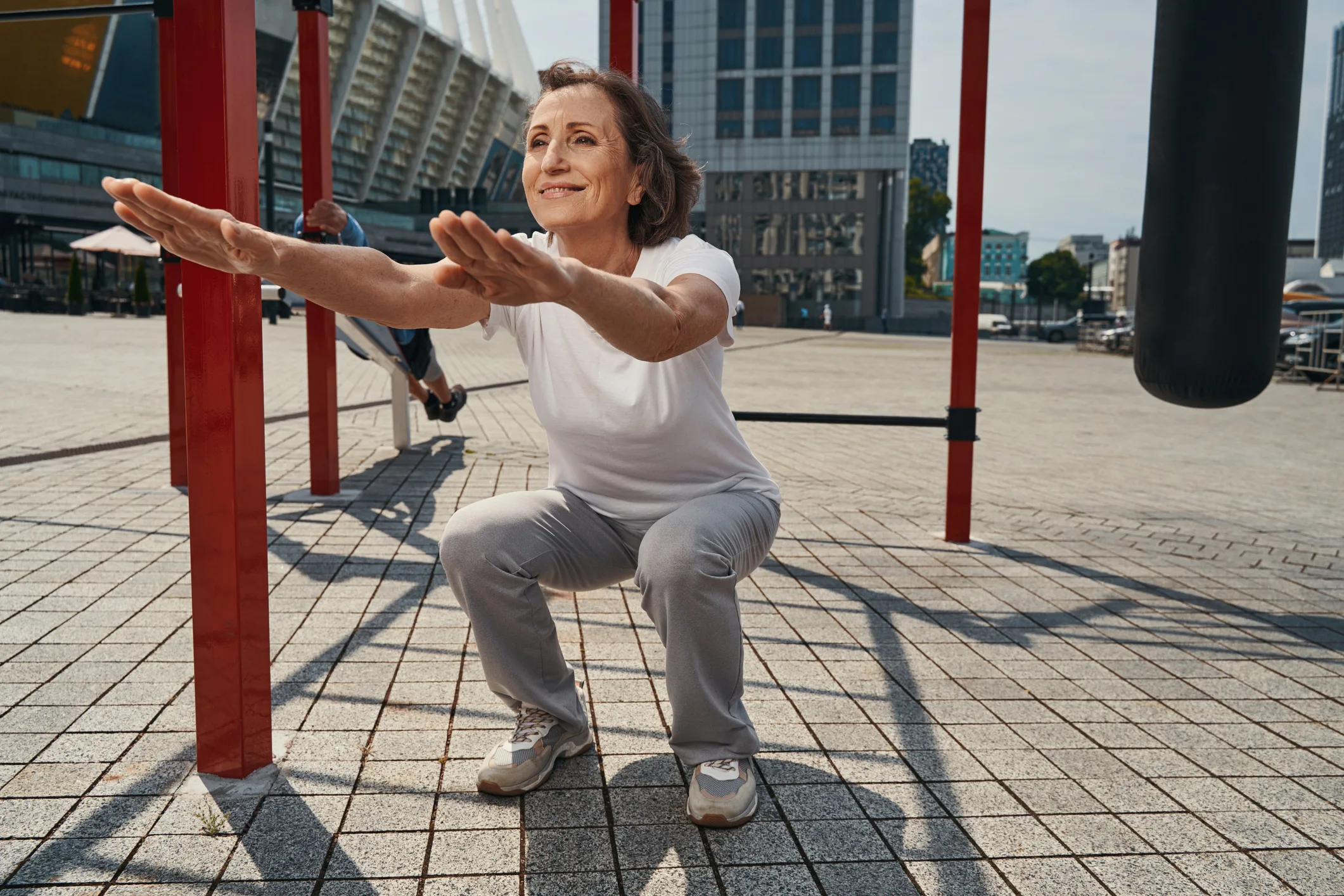
If you have spent any time scrolling through health newsletters or listening to wellness podcasts recently, you have likely heard about “Zone 2 cardio.” It is being hailed as the ultimate longevity shortcut, famously utilized by world-class cyclists to dominate the Pyrenees. But let’s be entirely honest: at this stage in life, the only “tour” most of us are interested in involves a comfortable bus, a tour guide named Gary, and a scenic winery. Fortunately, you don’t need to squeeze into tight neon spandex or ride a bicycle across France to harvest the physiological rewards of this training method.
Demystifying Zone 2: What Is It Exactly?
Stripped of the fitness industry jargon, Zone 2 training is simply steady, low-intensity aerobic exercise. It represents the effort level where your body operates at roughly 60% to 70% of your maximum heart rate. At this specific baseline, your musculoskeletal and metabolic systems rely primarily on fat oxidation rather than carbohydrates to generate cellular energy.
For adults 60 and older, you do not need an expensive smartwatch or a sports science laboratory to find this zone. You can accurately measure it using the “talk test”:
- The Zone 2 Threshold: You are exercising at an intensity where you can comfortably sustain a full, relaxed sentence, but you lack the excess breath required to sing.
- When to Scale Back: If you find yourself gasping or breaking up words mid-sentence, your heart rate has climbed into Zone 3 or higher, meaning you need to slow your pace.
The Cellular Science: Mitochondria and VO2 Max
The mainstream surge in Zone 2 training originated with Dr. Iñigo San Millán, a professor at the University of Colorado School of Medicine and the performance coach behind elite cycling champions. His research demonstrates that low-intensity, sustained aerobic exercise specifically targets and optimizes your mitochondria—the microscopic power plants inside your cells.
As we age, natural mitochondrial decay can lead to decreased metabolic efficiency and physical fatigue. Sustained low-intensity exercise stimulates mitochondrial biogenesis (the creation of new mitochondria) and improves your body’s ability to clear metabolic waste like lactate. Furthermore, this form of training gradually elevates your VO2 max—the maximum volume of oxygen your body can utilize during exercise. Extensive clinical literature, including long-term epidemiological studies, consistently identifies VO2 max as one of the most reliable predictors of functional longevity and cardiovascular health in older adults.
Balancing the Hype: What the Independent Data Shows
While fitness influencers often position Zone 2 as a standalone miracle cure, independent sports medicine research provides a more balanced perspective. A comprehensive 2025 narrative review published in the journal Sports Medicine evaluated the real-world application of this training.
The review highlighted a critical “volume mismatch” in popular fitness advice. The classic “80/20 rule”—spending 80% of your weekly training in Zone 2 and 20% in high-intensity zones—was modeled on elite endurance athletes who train 12 to 20 hours per week. For everyday adults, and particularly older adults who may only exercise 3 to 5 hours a week, relying exclusively on low-intensity walks is not the most time-efficient way to drive major cardiovascular improvements. To maximize health outcomes, Zone 2 should serve as a foundational base, not the entire routine.
Designing a Safe and Effective Weekly Routine
For adults over 60, Zone 2 is exceptionally valuable because it provides robust cardiovascular and metabolic benefits with minimal stress on the joints, lowering the overall risk of orthopedic injury. However, a balanced physical regimen requires a mixture of intensities and stimulus types.
According to current sports science guidelines, an optimal weekly framework includes:
- Zone 2 Foundational Sessions: 2 to 3 sessions per week, lasting 30 to 60 minutes each. Excellent modalities include brisk walking, walking on a slight incline, stationary cycling, swimming, or using a rowing machine.
- Higher-Intensity Cardiovascular Work: 1 short session per week (such as a faster power-walk or a higher-resistance cycling interval) to efficiently challenge and elevate your VO2 max.
- Resistance Training: At least 2 sessions per week dedicated to strength training. Preserving skeletal muscle mass (preventing sarcopenia) and protecting bone density are vital pillars of maintaining independence and preventing falls.
Takeaway
Ultimately, Zone 2 cardio is a scientifically validated, highly accessible tool to keep your heart resilient and your cellular energy high. It turns out that a dedicated daily walk at a brisk, conversational clip is doing far more for your biological machinery than just getting you out of the house. So, lace up your walking shoes, leave the aerodynamic cycling helmets to the professionals, and enjoy the pace. After all, Gary and the tour bus don’t leave for another hour.
Source:
What Is Zone 2 Cardio? The Workout That Trains Tour de France Champions and Fits Your Everyday Life